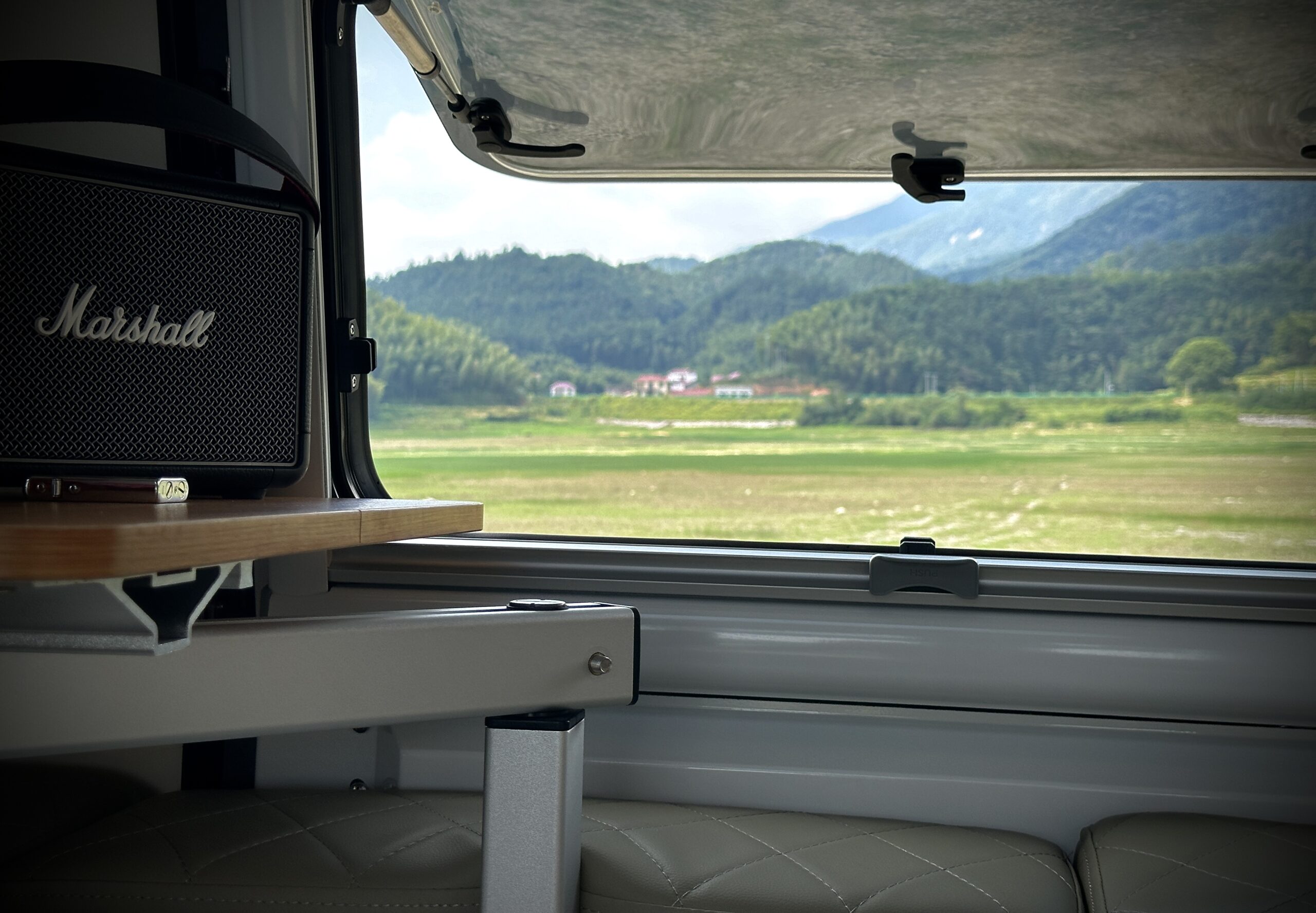
Truck campers have revolutionized the way outdoor enthusiasts explore the natural world by blending mobility, convenience, and comfort into a single versatile package. Unlike traditional RVs or motorhomes, truck campers are specifically designed to load onto the bed of pickup trucks, making them a practical choice for travelers who want the freedom to roam without being tied to large vehicles or cumbersome trailers. The rise of innovative pickup camper boxes is opening new avenues for adventure while ensuring users still enjoy the amenities of home. This article explores the evolution, design, customization, and myriad benefits of truck campers, focusing on how modern pickup camper boxes are reshaping outdoor recreation.
Historically, truck campers emerged as a solution for rugged travelers and seasonal workers who needed both mobility and shelter. Early designs were rudimentary, often conversions of existing truck beds with basic canvas or wooden structures. Over time, advances in materials, manufacturing techniques, and consumer demands have transformed the truck camper into a sophisticated product. Today’s truck camper boxes incorporate lightweight composite materials, ergonomic designs, and cutting-edge features like solar power systems, built-in kitchens, and climate control units. They cater to diverse needs, from weekend camping to long-term exploration in remote regions.
One key advantage of truck camper boxes is their adaptability. Because they are mounted directly onto a pickup truck bed, these campers can fit a wide range of models, allowing owners to leverage the truck’s off-road capabilities while maintaining comfortable accommodation. This adaptability is not just physical but functional; many producers custom-build camper boxes to match the specific dimensions and capabilities of different trucks. This level of customization ensures that customers get a product tailored perfectly to their vehicle and lifestyle, whether they own a compact pickup or a heavy-duty model.
Manufacturing processes have also evolved in parallel with product innovation. Leading truck camper manufacturers employ state-of-the-art production facilities featuring automated cutting, precision assembly, and rigorous quality control. These capabilities enable consistent high-quality products and faster turnaround times. Additionally, the use of modular designs allows customers to upgrade or modify internal components over time, enhancing the truck camper’s longevity and utility. For example, modular kitchen units, detachable solar panels, or interchangeable furniture layouts can be installed as desired without requiring a full camper replacement.
Material choice is critical in truck camper box design. Lightweight yet durable composites, aluminum frames, and insulated panels balance the need for fuel efficiency and structural integrity. High-quality seals and weatherproof coatings ensure resistance to rain, snow, and dust, vital for those planning extensive off-grid travel. Furthermore, ergonomic interior layouts maximize limited space usage without sacrificing comfort. Features such as foldaway beds, hidden storage compartments, and convertible seating areas exemplify how designers optimize every inch inside these compact living quarters.
Comfort features have also gained prominence as modern truck campers compete with more traditional recreational vehicles. Many camper boxes now come equipped with integrated water systems, including freshwater tanks, greywater storage, and even filtration units, to support longer trips without dependence on external sources. Built-in heating and air-conditioning units maintain temperature control even in harsh climates. Advanced electrical systems with rechargeable batteries and inverters enable the use of appliances and devices, backed up by optional solar arrays that further extend autonomy. These developments ensure that truck campers provide a true home-away-from-home experience.
Safety and security considerations have also been incorporated into the latest pickup camper designs. Sturdy locking mechanisms prevent unauthorized entry, while integrated smoke detectors, fire extinguishers, and carbon monoxide alarms enhance occupant safety. Camper boxes feature solid anchoring systems to secure the camper to the truck bed firmly, preventing accidents during transit. Additionally, reflective markings and integrated lighting improve visibility and road safety. Manufacturers continuously test their camper bodies under extreme conditions to validate durability and performance, giving customers peace of mind.
One important trend shaping the future of truck campers is sustainability. Environmentally-conscious consumers are increasingly seeking products made from sustainable materials or designed to minimize ecological impact. Many camper box manufacturers are responding by utilizing recycled materials, eco-friendly manufacturing practices, and incorporating energy-efficient technologies. Solar power integration, LED lighting, and water-saving faucets reduce resource consumption during camping trips. Moreover, truck campers’ smaller size and lighter weight compared to traditional RVs lead to lower fuel consumption, directly reducing users’ carbon footprint.
The versatility of truck campers makes them appealing not only for traditional recreational purposes but also for commercial and specialized uses. Food trailers, mobile workstations, and pop-up shops are often built using pickup camper platforms due to their mobility and customizable space. Likewise, towable restroom and shower trailers designed to be compact yet fully functional extend the types of experiences possible with truck-mounted living or working quarters. This expansion into multifaceted mobile units underscores the adaptability of the pickup camper box platform beyond leisure use.
Community and lifestyle form an integral part of truck camper culture. Numerous forums, clubs, and social media groups connect enthusiasts worldwide, sharing tips, trip reports, and modifications. This sense of belonging enhances owner satisfaction and encourages continuous product improvement through feedback. Events such as truck camper rallies and expos showcase innovations and foster networking among manufacturers, dealers, and customers. The camaraderie and shared passion for independent travel help cement truck campers’ position as a growing segment in the outdoor recreation market.
Choosing the right truck camper box requires careful consideration of several factors. Potential buyers should evaluate truck compatibility, desired features, budget, and intended usage patterns. Visiting manufacturer showrooms or attending outdoor expos provides hands-on experience to understand camper ergonomics and build quality. Furthermore, assessing warranty terms, after-sales service, and availability of spare parts are crucial to lifelong ownership satisfaction. Many manufacturers also offer financing options or package deals combining the truck and camper for an integrated purchasing experience.
In conclusion, truck campers have transformed from simple shelter solutions to sophisticated, fully integrated living spaces tailored to modern adventurers’ needs. The rise of innovative pickup camper boxes epitomizes this transformation, offering customers the best blend of mobility, comfort, and customization. Whether for weekend escapes, off-grid expeditions, or commercial ventures, these compact and versatile units deliver functionality without sacrificing the freedom integral to outdoor lifestyles. As new technologies and designs continue to emerge, the future of truck campers looks bright, promising ever more thrilling and comfortable journeys for enthusiasts around the globe.