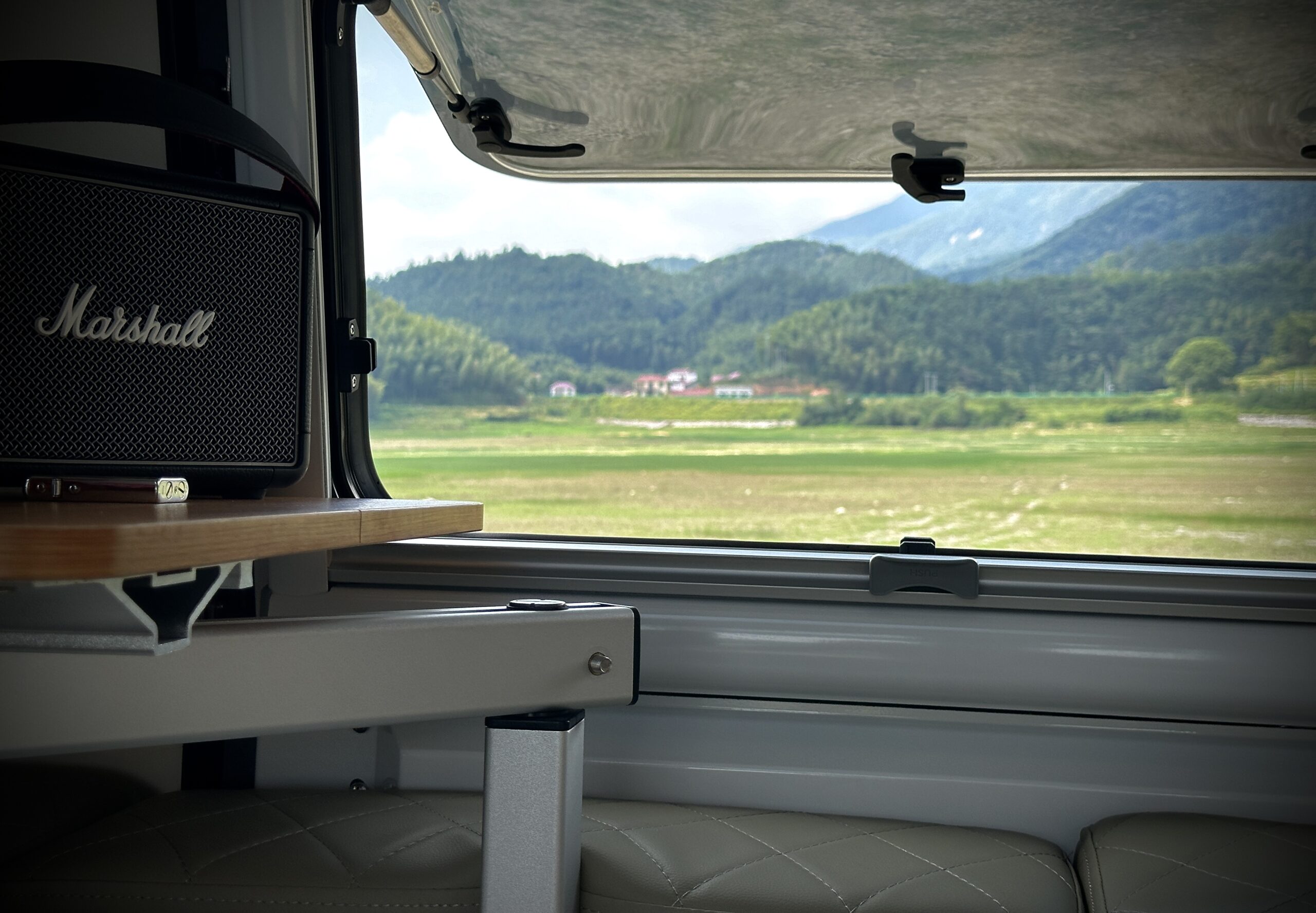
Truck campers have revolutionized the way outdoor enthusiasts, travelers, and adventurers experience the open road. Offering a versatile, compact, and highly functional living space, truck campers combine the rugged capability of pickup trucks with the comfort of a mobile home. This seamless integration provides unparalleled freedom to explore remote destinations without sacrificing convenience or reliability.
What is a Truck Camper?
A truck camper is a recreational vehicle (RV) unit designed to be loaded directly into the bed of a pickup truck. Unlike traditional RVs that are towed or motorized, truck campers utilize the truck as both the means of transportation and base structure for the living quarters. This design allows for excellent maneuverability, access to off-road areas, and the ability to detach the camper from the truck for other uses.
There are various styles of truck campers available, ranging from compact models meant for short trips to more luxurious and spacious units suitable for extended travel or full-time living. Typically, truck campers come equipped with essential amenities such as sleeping quarters, a kitchenette, a small dining area, and basic bathroom facilities. Advanced models may also include heating, air conditioning, entertainment systems, solar panels, and enhanced insulation for all-weather camping.
Advantages of Truck Campers
1. Versatility: Truck campers can be used in a wide range of environments—from urban settings to remote wilderness trails. Their compact size and rugged build enable users to venture where larger RVs and trailers cannot tread.
2. Cost-Effectiveness: Compared to larger motorhomes or fifth-wheel trailers, truck campers are generally more affordable both in initial purchase and maintenance. They also consume less fuel when transported.
3. Convenience: The ability to detach the camper unit allows the pickup truck to double as a daily vehicle, enhancing practical utility. This flexibility distinguishes truck campers from fixed RV models.
4. Ease of Storage: When not in use, truck campers require significantly less storage space than traditional RVs. This advantage saves money and hassle for owners who do not have access to dedicated RV parking.
5. Customization: Truck campers can be tailored to fit different truck models and user preferences. Custom lightweight pontoon campers or hard-sided designs can be ordered to optimize comfort, durability, or off-road capability.
Types of Truck Campers
Understanding the types of truck campers can help potential buyers select the ideal unit for their needs.
1. Pop-Up Truck Campers: These models feature expandable canvas walls that pop up to increase interior space during use. They are lightweight, enhance ventilation, and reduce wind resistance during travel.
2. Hard-Sided Truck Campers: Constructed with solid walls, these campers offer greater insulation and protection from the elements. They are ideal for year-round use and feature more amenities due to enclosed design.
3. Teardrop Truck Campers: Compact and aerodynamic, teardrop campers provide minimal living space but include sleeping accommodation and standard cooking facilities, perfect for quick trips.
4. Off-Road Truck Campers: Built with rugged materials and raised suspension options, these models handle rough terrain and extreme conditions, appealing to serious adventurers.
Choosing the Right Truck Camper Model
Before purchasing a truck camper, several factors should be considered to ensure the unit meets individual requirements.
1. Truck Bed Size and Payload: The camper must be compatible with the size and weight capacity of the pickup truck. Overloading the truck can endanger safety and vehicle performance.
2. Intended Use: Consider whether the camper will be used seasonally, for weekend trips, or full-time living. This decision impacts the level of insulation, amenities, and construction needed.
3. Layout and Amenities: Camper interiors can vary extensively. Some users prefer a large sleeping area and minimal kitchen, while others want a full bathroom, dining space, and storage. Prioritize features based on lifestyle.
4. Budget: Prices range widely based on materials, brand, and customization. Setting a realistic budget early helps narrow choices and guides modification expectations.
5. Technology and Sustainability: Many modern campers incorporate solar power systems, LED lighting, energy-efficient appliances, and water conservation features. These elements reduce environmental impact and increase off-grid capability.
Popular Features in Modern Truck Campers
One of the benefits of owning a truck camper is the ability to enjoy many comforts of home on the road. Manufacturers continually innovate by offering the following features:
1. Compact Kitchens: Including stoves, sinks, refrigerators, and storage cabinets optimized for space.
2. Sleeping Areas: Options include dinette conversions, dedicated beds, or loft spaces with mattresses designed for ergonomic comfort.
3. Bathroom Facilities: Some campers integrate wet baths combining a shower and toilet, while others use portable or cassette toilets to save space.
4. Heating and Cooling: Electric or propane heaters, roof vents, and air-conditioning units enhance temperature control suitable for various climates.
5. Storage Solutions: Thoughtfully designed cupboards, under-bed bins, and exterior access lockers improve organization and accessibility.
6. Entertainment Systems: Radios, speakers, and televisions can be installed or easily connected to portable devices to enrich downtime.
Custom Truck Camper Solutions
For those seeking highly specialized or personalized camping experiences, many manufacturers and builders offer custom truck camper services. This allows for tailoring dimensions, layouts, materials, and technology integration to specific pickup trucks and user needs.
Custom builds may include reinforced off-road chassis mounts, solar power banks designed to sustain multiple devices, heavy insulation for extreme cold weather, or high-end finishes for luxury appeal. By collaborating with designers, buyers can maximize comfort while maintaining weight limits and roadworthiness.
Maintenance and Care for Truck Campers
Proper maintenance prolongs the lifespan of a truck camper, ensuring optimal performance and safety:
– Regular Inspection: Check seals, hinges, and electrical connections to prevent leaks and malfunctions.
– Cleaning and Ventilation: Keep the interior clean and dry to avoid mold growth and deterioration.
– Winterizing: Properly drain water lines and insulate systems if storing or traveling in freezing temperatures.
– Tire and Suspension: Monitor truck and camper integration points for stress, especially when used off-road.
The Growing Popularity of Truck Campers in China
As one of China’s leading truck camper manufacturers, we have witnessed a surge in domestic interest driven by expanding outdoor lifestyle trends. Our production facilities enable us to build a diverse range of pickup camper boxes, food trailers, and mobile restroom/shower units tailored to various truck models.
Chinese customers appreciate our custom-built approach that adapts to vehicle dimensions and specific travel styles. The increasing demand reflects a broader global movement toward compact, efficient, and multi-purpose recreational vehicles. Integration of technology, cultural preferences, and affordability further contribute to this market growth.
Summary
Truck campers embody a unique blend of mobility, comfort, and adaptability, catering to travelers who value independence and unconventional exploration. The ability to customize these units for specific trucks and use cases enhances their appeal. Whether venturing to serene mountain retreats or bustling campsites, truck campers provide a practical and enjoyable way to experience the great outdoors.
With continuous advancements in design, technology, and manufacturing, the future of truck campers remains promising. For adventurers seeking freedom on the road, investing in a well-built truck camper represents a gateway to unlock countless journeys filled with discovery and relaxation.