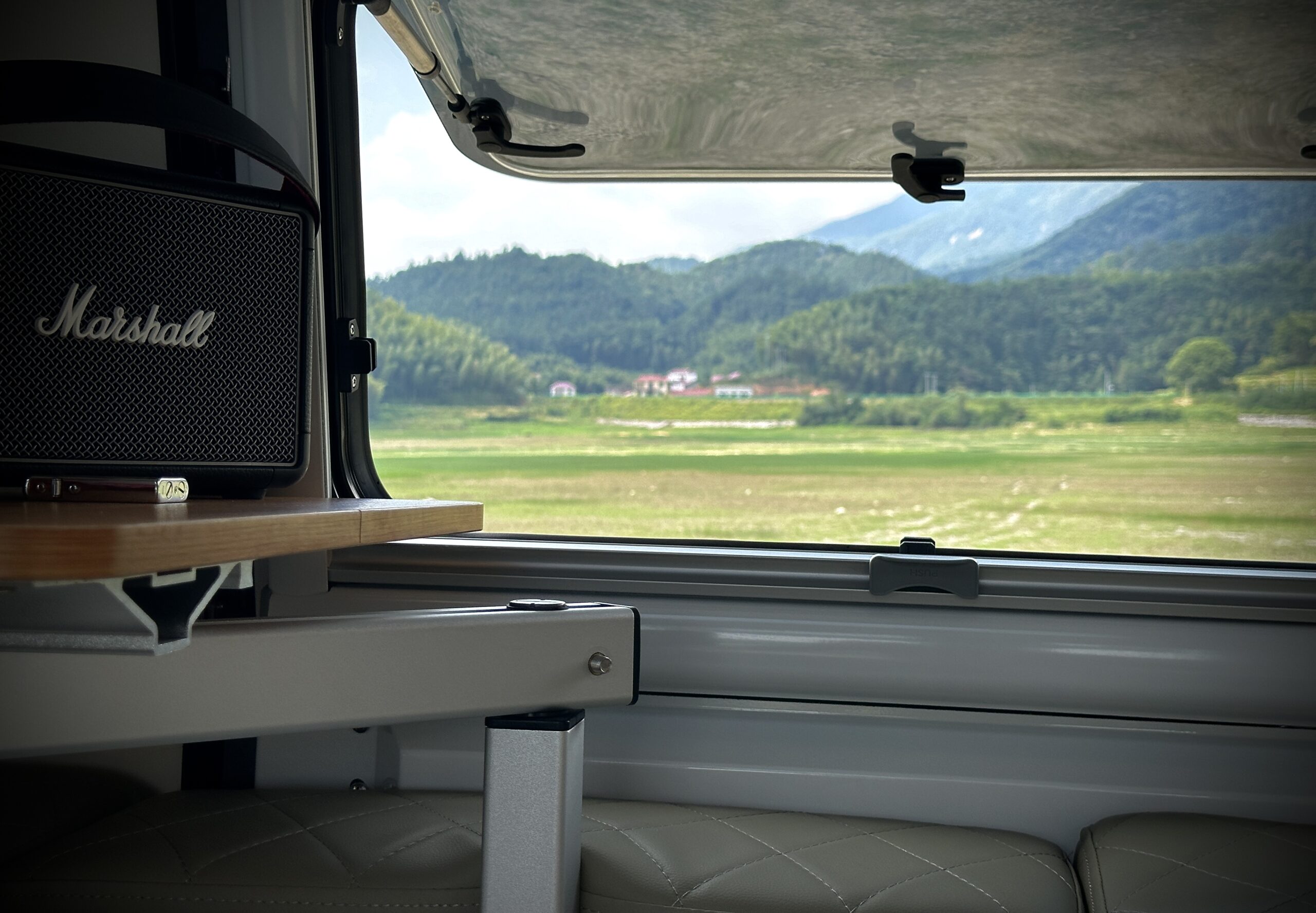
Truck campers have revolutionized the way outdoor enthusiasts and travelers experience the open road. Combining the ruggedness of pickup trucks with the comfort and convenience of a mobile living space, truck campers offer unparalleled mobility and versatility. Whether you are an avid adventurer, a weekend warrior, or someone seeking a cozy, compact home on wheels, a truck camper addresses diverse needs with unique solutions. This article explores the key features, benefits, design innovations, and practical considerations associated with truck campers, providing an in-depth guide for anyone interested in embracing this extraordinary form of travel.
What Is a Truck Camper?
A truck camper is a type of recreational vehicle designed to be mounted onto the bed of a pickup truck, effectively transforming the truck into a mobile living unit. Unlike traditional RVs, which are trailer-based or built on larger chassis, truck campers leverage the maneuverability and off-road capabilities of pickups, providing owners with enhanced access to remote, rugged, and less accessible locations. Compact yet functional, truck campers come in various sizes and configurations, tailored to fit different pickup models and user requirements.
The Evolution of Truck Campers
The concept of truck campers dates back to the early 20th century, initially serving as a means for workers, such as loggers and miners, to live close to remote job sites. Over time, truck campers evolved from simple, basic shelters into sophisticated living units featuring modern amenities and technology. Today’s truck campers are a fusion of engineering ingenuity and lifestyle innovation, catering to a growing community of outdoor enthusiasts looking for freedom without sacrificing comfort.
Key Features of Modern Truck Campers
Modern truck campers are equipped with various features designed to optimize living space, functionality, and comfort. Some of these features include:
- Compact Kitchen Areas: Most truck campers have built-in kitchenettes featuring stovetops, sinks, refrigerators, and storage for cookware, enabling users to prepare meals on the road.
- Sleeping Quarters: Comfortable sleeping areas that can accommodate from one to several people, often featuring convertible seating or foldable beds to maximize space.
- Bathroom Facilities: Some models include compact bathrooms with toilets, showers, and sinks, while others use portable or external units depending on size constraints.
- Climate Control: Heating and air conditioning options ensure livability regardless of weather conditions, essential for year-round use.
- Electrical Systems: Integrated solar panels, battery banks, and inverters allow campers to power lights, appliances, and electronic devices even off the grid.
- Storage Solutions: Thoughtfully designed cabinetry, under-bed compartments, and external storage boxes keep essential gear organized and accessible.
The Advantages of Truck Campers
Truck campers offer several advantages over other types of recreational vehicles or camping options, making them a popular choice among diverse users:
- Maneuverability and Access: Mounted directly on a pickup, truck campers retain the vehicle’s off-road capabilities and are easier to drive through tight or challenging terrain compared to larger RVs.
- Versatility: They provide a flexible living space that can be detached when not needed, allowing the truck to be used independently for daily tasks.
- Cost-Effectiveness: Truck campers generally cost less than larger motorhomes or fifth-wheel trailers while offering similar functionality and comfort.
- Compact Size: Their smaller footprint allows overnight parking in a broader range of locations, including city streets, designated camping areas, and wilderness sites.
- Customizability: Because they are built to fit specific truck beds, many manufacturers offer custom designs, enabling personalization to suit lifestyle preferences and travel habits.
Design Innovations Enhancing Truck Camper Experience
Advancements in materials and design have greatly improved the usability and comfort of truck campers. Key innovations include:
- Lightweight Construction: Use of composite materials, aluminum frames, and advanced insulation reduces overall weight without compromising durability.
- Slide-Outs and Expandable Spaces: Some truck campers feature slide-outs or fold-out sections that effectively increase living space when parked.
- Smart Storage: Modular and multi-functional furniture, including beds that double as seating or storage and fold-away tables, maximize limited space.
- Eco-Friendly Technologies: Integration of solar panels, energy-efficient appliances, and water-saving fixtures supports sustainable camping practices.
- Improved Insulation and Weatherproofing: Advanced insulation materials and weather-sealed construction ensure comfort in extreme temperatures and weather conditions.
Custom-Built Truck Campers
Many manufacturers and specialized shops offer custom truck camper builds tailored to specific pickup models, ensuring an ideal fit and seamless integration. Customization options cover:
- Floor Plans: Customized layout designs to accommodate specific needs, such as additional sleeping capacity, expanded kitchen areas, or larger bathrooms.
- Exterior Finishes: Options for durable paint, decals, or coated surfaces designed to withstand harsh environments and appearance preferences.
- Technology Integration: Specification of advanced electrical systems, entertainment setups, and smart home features.
- Off-Road Enhancements: Reinforced chassis mounts, ruggedized exteriors, and protective undercarriage components for extended off-the-beaten-path adventures.
How to Choose the Right Truck Camper
Selecting the right truck camper depends on several factors related to both the vehicle and personal requirements. Key considerations include:
- Truck Compatibility: Ensure the camper is compatible with your pickup truck’s size, payload capacity, and bed dimensions.
- Intended Use: Define your primary activities, whether it is weekend camping, long-term travel, or off-road exploration, to determine necessary features.
- Size and Weight: Balance living space desires with weight limits and truck handling capabilities to ensure safety and performance.
- Budget: Set a realistic budget that covers not only the camper but also installation, additional equipment, and maintenance.
- Features Prioritization: Identify must-have amenities like bathroom facilities, kitchen equipment, or climate control based on your lifestyle.
- Future-proofing: Consider a camper that offers flexibility for upgrades or reconfiguration to adapt to changing needs.
Installation and Maintenance of Truck Campers
Professional installation is crucial for securely mounting the camper to the truck bed, ensuring safety and structural integrity. This process involves:
- Securing mounting brackets and tie-downs compatible with the truck.
- Connecting electrical and plumbing systems.
- Conducting weight distribution and balance assessments.
Maintenance routines should include regular inspection of seals and joints, electrical system diagnostics, cleaning of water tanks and lines, and seasonal preparation for winter or summer use. Proper upkeep extends the life of the camper and guarantees its reliable performance during travels.
Popular Brands and Models
The truck camper market features a wide range of manufacturers renowned for quality and innovation. Leading brands include:
- Adventure Truck Campers: Known for rugged designs ideal for rough terrains and remote camping.
- Urban Camper Co: Specializes in lightweight, compact units suitable for city dwellers and short getaways.
- Summit Campers: Offers luxury, feature-rich models focusing on comfort and extended travel capabilities.
Environmental Impact and Sustainability
With rising awareness about responsible travel, many truck camper manufacturers are incorporating sustainable materials and green technologies. Solar panels, energy-efficient appliances, and eco-friendly waste management systems help reduce environmental footprints. The compact nature of truck campers encourages smaller energy use compared to larger RVs, making them an attractive option for eco-conscious travelers.
Truck Camper Lifestyle and Communities
Owners of truck campers often embrace a lifestyle centered around adventure, minimalism, and independence. This has sparked vibrant online and offline communities sharing tips, routes, customization ideas, and travel stories. Participating in truck camper rallies, forums, and social media groups can enhance ownership experience and provide valuable support networks.
Future Trends and Developments
As technology and design continue to evolve, the future of truck campers looks promising. Emerging trends include:
- Increased use of lightweight yet durable carbon fiber and composite materials.
- Smart automation allowing remote control of temperature, lighting, and security systems.
- Integration with electric and hybrid truck platforms to create sustainable mobile units.
- Modular designs offering even greater flexibility in configuration and expandability.
Conclusion
Truck campers are an exceptional choice for those seeking the freedom to explore without sacrificing convenience and comfort. With their blend of mobility, versatility, and innovative design, they cater to a broad spectrum of travelers—from weekend campers to long-haul nomads. By understanding the features, benefits, and considerations highlighted in this comprehensive guide, you can make informed decisions and embark on memorable journeys with confidence and style. Whether outfitted for rugged wilderness adventures or cozy weekend retreats, truck campers embody the spirit of exploration and independent living on the road.