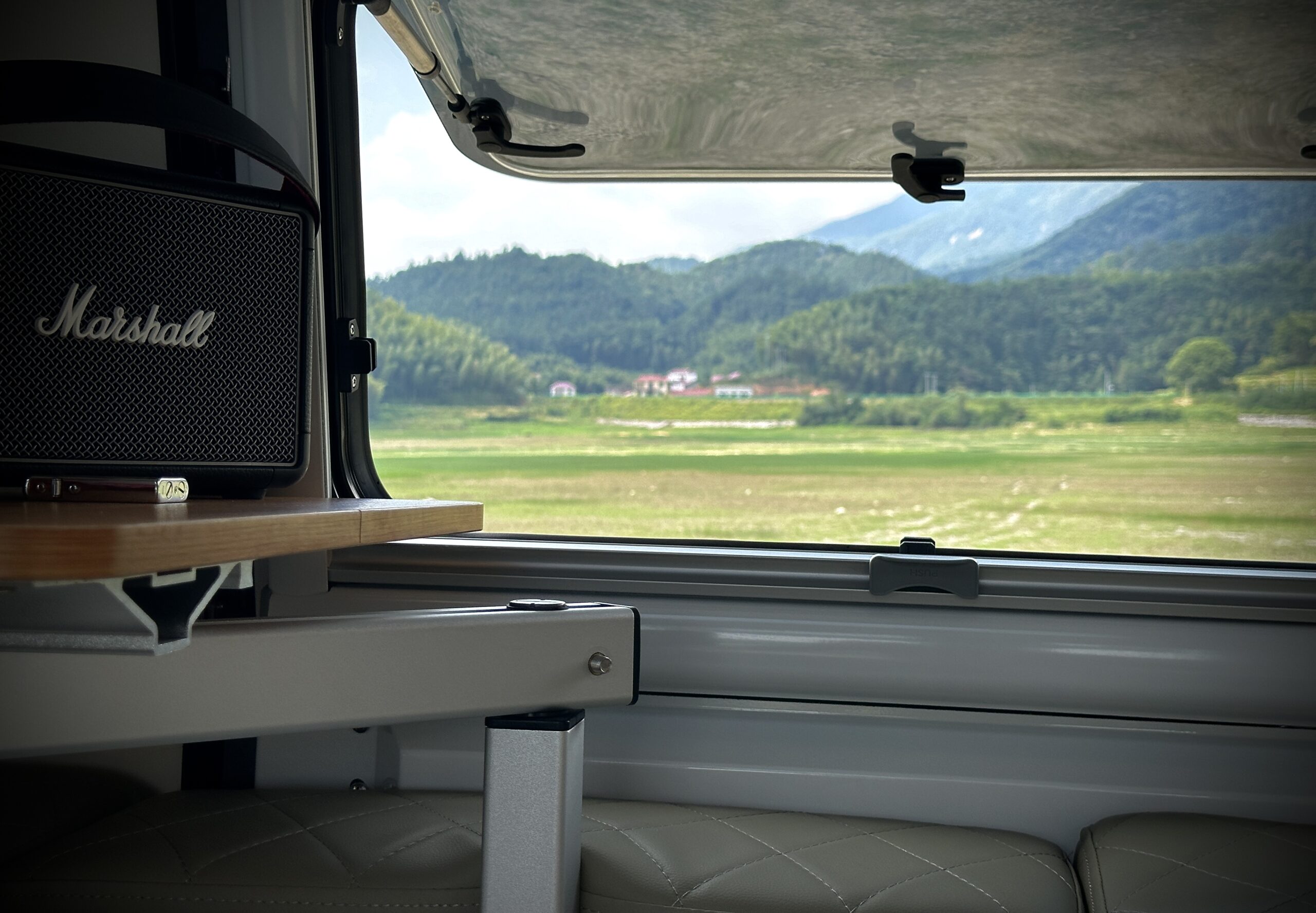
Truck campers have emerged as an increasingly popular choice for outdoor enthusiasts and travelers seeking a blend of mobility, comfort, and convenience. These versatile camper units, designed to be mounted onto the bed of pickup trucks, provide a compact yet fully functional living space that allows adventurers to explore remote areas without sacrificing the comforts of home. This comprehensive article explores the history, types, benefits, customization options, and tips for selecting the perfect truck camper, providing an in-depth guide for potential buyers and enthusiasts alike.
Understanding Truck Campers
Truck campers are specialized recreational vehicles (RVs) built to fit onto the bed of pickup trucks. Unlike traditional RVs and motorhomes, which are generally larger and less maneuverable, truck campers leverage the mobility of a regular pickup truck while transforming it into a fully functional living area. Their design allows for easy detachment, meaning the truck can still be used separately when needed, offering double functionality.
Truck campers typically include essential amenities such as sleeping quarters, kitchenettes, bathrooms, and seating areas, varying significantly depending on the model and customization. These campers share the advantage of a relatively small footprint, enabling access to off-road and tight spaces unreachable by longer RVs.
Brief History of Truck Campers
The concept of using a pickup truck as a base for a mobile dwelling dates back to the early 20th century when adventurers and hunters sought ways to live and travel without being tethered to fixed locations. The development of lightweight materials and compact designs in the mid-20th century popularized truck campers, especially in the 1950s and 60s when leisure travel surged in the United States and other countries.
Over the decades, truck campers evolved alongside advancements in pickup truck technology, with manufacturers producing increasingly sophisticated camper units featuring modern conveniences. Today, truck campers continue to grow in popularity worldwide, fueled by a desire for outdoor exploration, minimalist living, and self-sufficiency.
Types of Truck Campers
Truck campers come in several varieties, each designed to meet specific needs and preferences. Familiarity with these types helps potential buyers choose a camper aligned with their lifestyle and intended usage.
- Pop-Up Truck Campers: These campers feature foldable or collapsible sections, reducing height during transit for improved aerodynamics and fuel efficiency. When stationary, the sections expand to provide additional living space. Pop-up campers are lightweight and well-suited for smaller trucks and off-road conditions.
- Hard-Shell Truck Campers: Featuring solid walls and often a hard roof, these campers provide better insulation and protection against weather elements. They usually come with more amenities, such as full kitchens and bathrooms, making them ideal for extended trips and colder climates.
- Slide-In Truck Campers: Positioned to utilize the entire truck bed, slide-in campers provide a seamless fit and a stable setup. Slide-in designs often include slide-outs—sections that extend outward when parked, allowing for increased living space.
- Pop-Up Roof Truck Campers: Combining the benefits of pop-up and hard-shell designs, these campers offer a solid lower body with a pop-up roof that extends for additional headroom and sleeping quarters, providing a balance between compact travel and spacious living.
Advantages of Truck Campers
Truck campers offer a range of benefits compared to other types of RVs or travel living arrangements. Their unique design caters to adventurous travelers who value flexibility:
- Maneuverability and Accessibility: Smaller and more agile than RVs and trailers, truck campers can navigate narrow trails, steep inclines, and crowded urban areas with ease. This allows access to remote locations that might otherwise be unreachable.
- Detachable Design: Since the camper is mounted on the pickup bed, it can be detached to revert the vehicle back to a conventional pickup truck. This dual functionality ensures the vehicle remains useful for everyday purposes outside camping trips.
- Compact Size: Truck campers generally require less storage space than larger RVs or trailers. Their smaller size also reduces fuel consumption compared to heavier, larger recreational vehicles.
- Cost Efficiency: While truck campers can be expensive upfront, combined ownership costs tend to be lower due to reduced maintenance, fuel, and storage fees.
- Customization: Many manufacturers offer the ability to customize truck campers based on truck type, desired amenities, and specific travel needs, allowing consumers to tailor the setup to their unique preferences.
- Year-Round Use: With proper insulation and heating systems, truck campers can be used in a variety of climates, making them suitable for winter camping as well as summer adventures.
Key Features and Amenities in Truck Campers
Modern truck campers boast a variety of features intended to optimize comfort, functionality, and safety for longer camping trips:
- Sleeping Accommodations: Most truck campers provide sleeping areas for two to four people, incorporating beds either in over-cab pop-outs or convertible dinettes.
- Kitchenettes: Compact kitchens with mini-fridges, sinks, stovetops, and sometimes microwaves or ovens make it possible to cook meals on the road, enhancing self-sufficiency.
- Bathrooms: Options range from simple portable toilets to full wet baths complete with showers and sinks, depending on camper size and weight capacities.
- Storage Solutions: Ample interior and exterior storage compartments ensure that gear, clothing, and supplies can be organized and readily accessible.
- Climate Control: Features like insulation, ventilation systems, heating units, and air conditioning enhance occupant comfort across varying weather conditions.
- Power Systems: Solar panels, auxiliary batteries, and inverter systems support off-grid electrical needs, powering appliances, lighting, and electronics.
- Water Systems: Freshwater tanks, greywater tanks, water pumps, and filtration systems allow camp occupants to manage water supply and waste effectively.
- Safety and Stability: Built-in stabilizers, tie-down systems, and advanced mounting hardware ensure that the camper remains secure on the truck and stable when parked.
Customization Options
One of the standout advantages of truck campers lies in their adaptability to individual needs. Customization options may include:
- Truck Compatibility: Camper boxes can be custom-built to fit specific pickup truck models and bed sizes to maximize stability and weight distribution.
- Interior Layout: Buyers can select floor plans and features, balancing sleeping capacity, storage space, and living area.
- Materials: Options range from lightweight composites and aluminum to heavy-duty fiberglass, impacting weight and durability.
- Technology Integration: Features like Wi-Fi boosters, GPS systems, and smart home integrations enable modern conveniences even in remote areas.
- Exterior Finishes and Accessories: Customers can opt for custom paint jobs, rooftop racks, awnings, and lighting for both functionality and style.
- Energy Systems: Additional solar arrays, battery upgrades, and charging systems can be implemented to extend off-grid capabilities.
Selecting the Right Truck Camper
Choosing the perfect truck camper requires thoughtful consideration of several factors. Potential buyers should assess their specific travel and lifestyle requirements to ensure the camper meets their expectations:
- Truck Compatibility and Payload Capacity: The camper’s weight must be within the rated payload capacity of the truck to maintain safety and performance. Consult manufacturer guidelines to avoid damage or unsafe load conditions.
- Intended Use: Consider whether the camper will be used for weekend adventures, long-term travel, off-road exploration, or a combination. This affects the choice of features and build quality.
- Budget: Truck campers vary widely in price based on size, features, and materials. Set a realistic budget considering both initial purchase and ongoing maintenance costs.
- Climate Considerations: If traveling in cold or wet climates, focus on campers with advanced insulation and weatherproofing technologies.
- Storage and Parking: Make sure to have available space for storing the camper when detached from the truck.
- Legal and Regulatory Compliance: Some regions have specific regulations concerning RV sizes, weights, and safety equipment. Research local laws to ensure compliance.
Truck Camper Maintenance Tips
Maintaining a truck camper ensures longevity, safety, and performance. Essential maintenance tasks include:
- Regularly inspecting seals and joints for leaks and resealing as necessary.
- Cleaning and maintaining appliances and plumbing systems.
- Checking electrical wiring, battery health, and solar systems.
- Performing rust prevention and touch-up paint maintenance.
- Lubricating moving parts like slide-outs and hinges.
- Maintaining tires, brakes, and suspension both on the truck and camper tie-down systems.
Future Trends in Truck Campers
The truck camper industry continues to evolve with technological advancements and shifting consumer preferences. Emerging trends include:
- Eco-Friendly Materials and Systems: Increasing use of sustainable building materials and energy-efficient solar power solutions.
- Smart Technology Integration: Enhanced use of IoT devices for remote monitoring of systems and improved user interfaces.
- Enhanced Lightweight Construction: Innovations in composites and structural materials reduce weight without compromising durability.
- Modular Designs: Campers with interchangeable or expandable components to suit varying trip types.
- Improved Off-Road Capabilities: Design enhancements to withstand harsh terrains and extreme weather conditions.
Conclusion
Truck campers represent a unique and flexible way to experience the outdoors, combining the rugged utility of pickup trucks with the convenience and comfort of mobile living quarters. By understanding the different types, features, and customization possibilities, travelers can select and tailor a camper that perfectly fits their adventure style. With their growing popularity, ongoing innovation, and ability to access diverse terrains, truck campers are truly a compelling option for explorers who value freedom, efficiency, and connection with nature.