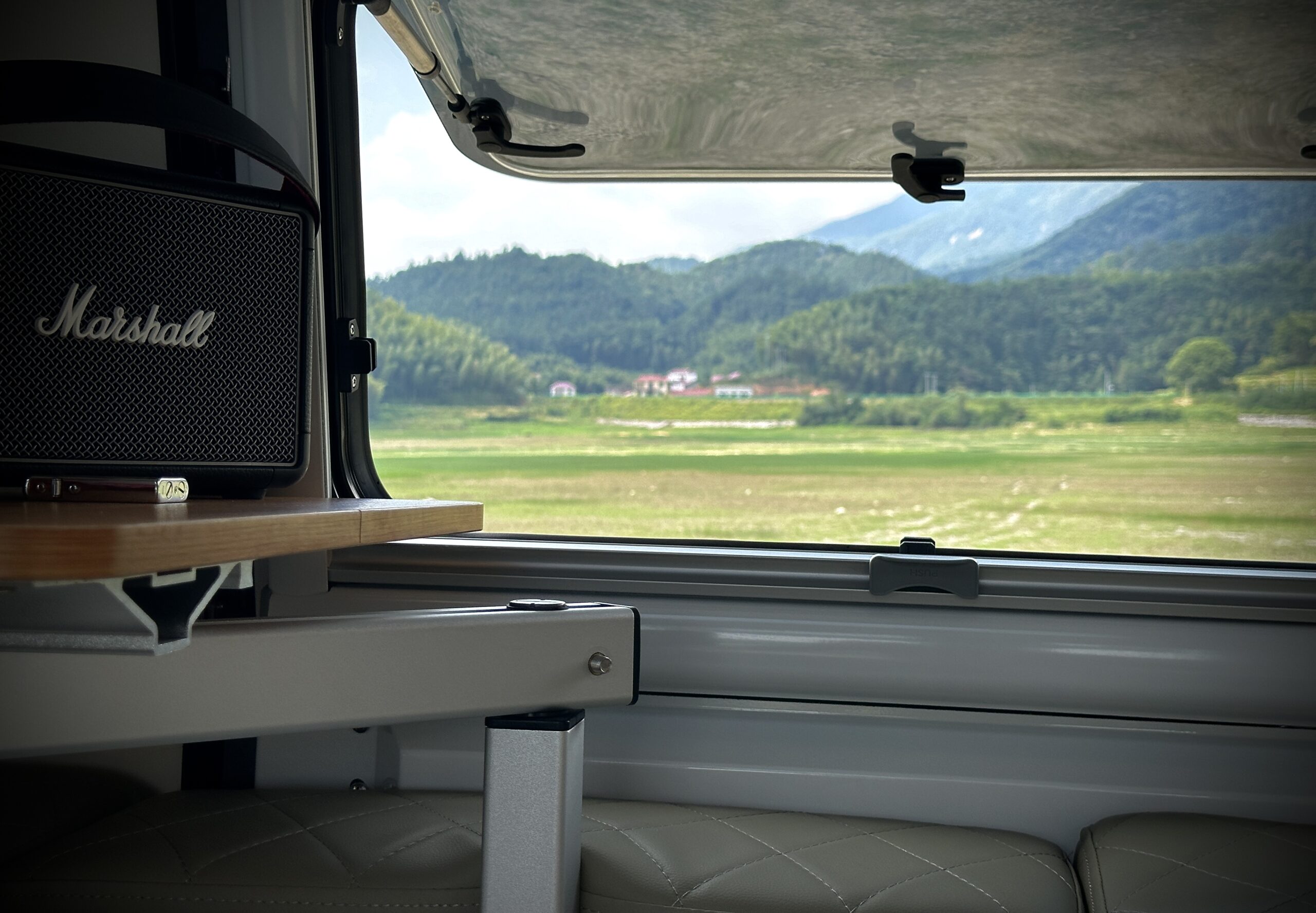
Truck campers have become increasingly popular among outdoor enthusiasts, adventure seekers, and travelers looking for a flexible and convenient way to explore the great outdoors. These versatile vehicles combine the utility of a pickup truck with the comfort and functionality of a camper, offering a unique way to experience camping without sacrificing mobility. What sets truck campers apart from traditional RVs and travel trailers is their compact size, ease of maneuverability, and the ability to access remote and rugged locations that larger RVs cannot reach. In this comprehensive article, we will explore everything you need to know about truck campers—from their design and features to benefits, types, and how to choose the perfect truck camper for your lifestyle.
What is a Truck Camper?
A truck camper is a recreational vehicle designed to fit onto the bed of a pickup truck. This camper unit typically consists of a living space that includes sleeping quarters, kitchen facilities, dining areas, and sometimes even bathrooms. Unlike traditional campers or travel trailers that require towing, truck campers are self-contained, mounted directly onto the truck chassis, which offers unparalleled flexibility for travel and camping.
The design of a truck camper allows it to take advantage of the truck’s off-road capabilities, making it an ideal choice for off-grid adventures, overlanding expeditions, and weekend getaways. Since the camper rests securely on the truck bed, the vehicle remains lean and agile, enabling travelers to navigate narrow trails, mountainous terrain, and sandy beaches with relative ease.
Benefits of Owning a Truck Camper
Choosing a truck camper over other types of RVs or camping options comes with multiple benefits:
- Compact and Maneuverable: Truck campers are smaller and easier to drive than larger motorhomes or travel trailers, making them suitable for both city driving and remote backcountry routes.
- Off-Road Capability: When paired with a four-wheel-drive pickup truck, truck campers can venture off paved roads into rugged terrain and wilderness areas that larger RVs cannot access.
- Flexible Setup: Unlike trailers that require hooking and unhooking, truck campers are quick to set up and pack away. You can detach the camper and use your truck separately as needed.
- Cost-Effective: Generally, truck campers are more affordable than Class A or Class C motorhomes, both in terms of purchase price and maintenance.
- Versatility and Customizability: Many truck campers come with modular or customizable features, allowing owners to select layouts, amenities, and upgrades tailored to their preferences.
- Year-Round Use: With proper insulation and heating systems, truck campers are suitable for all seasons, from summer camping to winter road trips.
Types of Truck Campers
Truck campers come in several forms, each designed to meet specific needs and preferences. Selecting the right type depends on your truck size, budget, travel style, and desired features.
1. Pop-Up Truck Campers
Pop-up truck campers are characterized by their fold-down roof or sides, which collapse when driving for reduced height and better aerodynamics. When you arrive at your campsite, the roof or sides are extended to create increased living space and headroom. This design helps maintain a lower center of gravity and improves fuel efficiency during transit.
Advantages: Lightweight, better fuel economy, often more affordable, low-profile when closed.
Limitations: Reduced insulation compared to hard-sided campers, less soundproofing, and potentially fewer amenities.
2. Hard-Side Truck Campers
Hard-side campers have fixed, rigid walls made from fiberglass, composite, or aluminum materials. These campers provide enhanced insulation, sounds reducing qualities, and a sturdier feel. The interior layout is more durable and often includes full bathroom facilities, kitchens with appliances, and comfortable sleeping spaces.
Advantages: Superior insulation, weather resistance, full-featured interiors, and increased durability.
Limitations: Heavier and taller, which may affect fuel economy and maneuverability. Typically more expensive.
3. Toy Hauler Truck Campers
Toy hauler truck campers are designed with a rear garage area to carry recreational “toys” such as motorcycles, ATVs, or bicycles. The garage space doubles as a flexible living or sleeping area once the toys are unloaded.
Advantages: Enables carrying and living with recreational equipment, flexible interior space.
Limitations: Requires longer truck beds, heavier, and sometimes compromises living space.
How to Choose the Perfect Truck Camper
Choosing the right truck camper involves analyzing several factors based on your priorities and vehicle compatibility.
1. Truck Compatibility
The size and weight of the camper must correspond to your truck’s cargo bed size and payload capacity. Truck campers come in sizes designed for compact, mid-size, or full-size pickups. Overloading a truck can cause vehicle damage or unsafe driving conditions, so it’s essential to consult your truck’s specifications and match the camper accordingly.
2. Layout and Amenities
Evaluate what amenities are critical for your trips. Do you need a full kitchen? Is a bathroom necessary, or will you use outdoor facilities? Consider sleeping capacity, storage needs, and whether you want features like heating, air conditioning, or solar panels. Each camper model offers distinct layouts that maximize space differently.
3. Weight Considerations
Heavier campers might provide more amenities but could impact your truck’s fuel efficiency and off-road capability. Balancing weight with comfort requirements is crucial, especially if you plan to travel extensively off-road or in remote areas.
4. Insulation and Climate Suitability
If you plan to camp in cold or hot climates, look for campers with quality insulation, double-pane windows, and climate control systems. Some luxury campers feature heated floors and sophisticated ventilation.
5. Budget
Truck campers vary widely in price. Determine your budget early on and focus on units that provide the best value within your range. Remember to allocate funds for potential upgrades, maintenance, and truck modifications.
Popular Features of Modern Truck Campers
Today’s truck campers are designed with innovative features that enhance convenience, comfort, and autonomy.
- Solar Power Systems: Many campers come pre-equipped or have options for solar panels, batteries, and inverters, allowing for off-grid power supply.
- Slide-Outs: Some models include slide-out sections that expand the living space when parked.
- Integrated Bathrooms: Compact wet baths with toilets, showers, and sinks provide all-in-one hygiene solutions.
- Efficient Kitchens: Equipped with propane stoves, microwave ovens, refrigerators, and sinks to prepare meals comfortably.
- High-Quality Insulation: Enables use during winter and ensures comfortable interior temperatures.
- Storage Solutions: Smartly designed cabinetry, under-bed storage, roof racks, and exterior compartments maximize space efficiency.
- Heating and Cooling: Air conditioning units, diesel-powered heaters, and roof vents maintain comfortable temperatures throughout various climates.
How to Maintain and Care for Your Truck Camper
Proper maintenance ensures the longevity and reliability of your truck camper.
1. Regular Cleaning: Wash the exterior to prevent buildup of dirt, salt, and debris. Use appropriate cleaners for materials like fiberglass or aluminum.
2. Inspect Seals and Roof: Check for leaks or cracks in seals around windows, doors, and the roof. Reseal as needed to prevent water damage.
3. Battery and Electrical System: Maintain batteries by regular charging and check wiring connections. Use a multimeter to ensure voltage consistency.
4. Plumbing Maintenance: Winterize water systems in freezing conditions to prevent pipe damage. Drain tanks and sanitize water tanks periodically.
5. HVAC Care: Service heaters and air conditioners annually to keep them running efficiently.
6. Check Mounting Hardware: Periodically verify that the camper is securely fastened to your truck with proper tie-downs and turnbuckles.
Popular Applications of Truck Campers
Truck campers are versatile workhorses for various outdoor activities and lifestyles. Common uses include:
- Overlanding and Off-Road Expeditions: Their compactness and rugged capabilities make them ideal for long-distance travel on unpaved roads and through remote wilderness areas.
- Weekend Camping Trips: Perfect for short recreational excursions where ease of setup and mobility are key.
- Mobile Offices or Workshops: Customized campers serve as mobile workspaces for outdoor professionals.
- Festival and Event Accommodation: Truck campers provide comfortable lodging at events with limited or expensive local accommodations.
- Hunting and Fishing Camps: They offer a cozy base close to hunting grounds or fishing spots.
Conclusion
Truck campers offer a compelling blend of convenience, mobility, and comfort for travelers who want to explore both highways and off-road landscapes. Their ability to transform an ordinary pickup truck into a mobile home makes them suitable for a range of activities—from weekend camping to serious overlanding adventures. With various types, sizes, and customizable features, there is a truck camper design to match nearly every traveler’s needs and budget. By carefully considering truck compatibility, desired amenities, and travel goals, you can select a truck camper that enhances your outdoor experience and inspires new journeys. Whether it’s sleeping beneath the stars, cooking meals on the fly, or setting off on spontaneous trips, a truck camper equips you with the freedom to roam wherever the road or trail may lead.