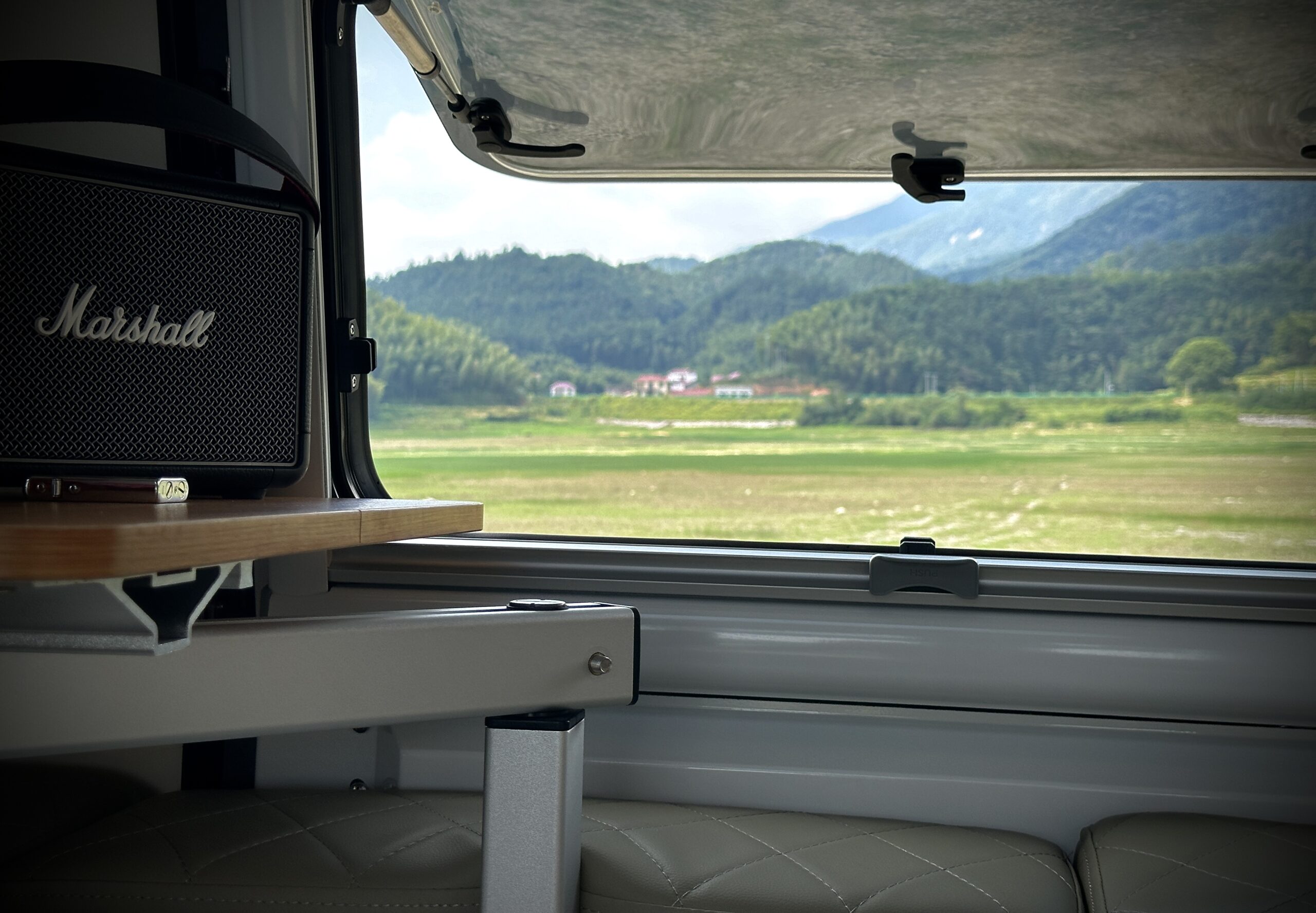
Truck campers have revolutionized the way travelers and outdoor enthusiasts explore the world, providing a unique blend of mobility, comfort, and versatility. Unlike traditional RVs and trailers, truck campers are mounted directly onto the bed of a pickup truck, making them an ideal choice for those who crave adventure without compromising on convenience. This article delves into the many facets of truck campers, understanding their design, advantages, types, and how they cater to various lifestyles, as well as key considerations when purchasing or customizing one.
What is a Truck Camper?
A truck camper is a self-contained living unit designed to be loaded onto the back of a pickup truck. It typically includes sleeping quarters, kitchen facilities, a bathroom, and storage space – all compacted into one modular unit. By integrating living accommodations directly on a truck, these campers offer unparalleled freedom to traverse rugged terrains, access remote locations, and park virtually anywhere a truck can go.
The Evolution of Truck Campers
Historically, truck campers have their roots in the mid 20th century, originally serving agricultural workers and hunters who needed temporary shelter in remote areas. Over the decades, advances in materials, design, and technology have transformed truck campers into comfortable, stylish, and highly functional homes on wheels. Today, manufacturers employ lightweight composites, ergonomically designed spaces, solar energy systems, and modern appliances to meet the demanding needs of travelers.
Design Elements of Truck Campers
The compact size of truck campers necessitates innovative design strategies to maximize utility and comfort. Some fundamental design components include:
- Sleeping Area: Usually situated in an overcab section (above the truck cab), this area features a mattress that can range from a standard double to queen size, optimized for space.
- Kitchenette: Featuring a small sink, stove, refrigerator, and occasionally a microwave, enabling cooking in compact spaces.
- Bathroom Facilities: Depending on the model, amenities range from portable toilets to full wet baths with shower systems.
- Storage: Cleverly designed cabinets and compartments make efficient use of every inch of available space.
- Electrical and Plumbing Systems: Including water tanks, battery systems, solar panels, and electrical hookups to ensure off-grid capabilities.
Advantages of Truck Campers
Truck campers offer several distinct advantages that make them attractive to various types of travelers:
- Maneuverability: Being mounted on a pickup truck means they can travel in tight spaces, navigate difficult terrain, and park in standard spots where conventional RVs cannot.
- Flexibility: Detaching the camper unit allows the truck to be used independently, preserving the availability and functionality of the vehicle.
- Fuel Efficiency: Generally lighter and more compact than large RVs, resulting in better fuel economy.
- Cost-Effective: Truck campers can be more affordable both in initial purchase and maintenance compared to larger RVs.
- Accessibility: They provide easier access to remote or off-road destinations that are unreachable by many other recreational vehicles.
Types of Truck Campers
To accommodate different use cases, manufacturers produce an array of truck camper models, each with unique features:
- Slide-In Campers: The traditional style mounted in the bed of a pickup. They are fully removable, making them versatile for those who want to switch between a camper and flatbed truck.
- Pop-Up Campers: Designed to collapse for travel, reducing height and improving aerodynamics. Once parked, the roof pops up, providing additional headroom.
- Fiberglass Shell Campers: Featuring sleek fiberglass exteriors, these campers often have integrated cabins offering durability and modern styling.
- Expedition Campers: Built for serious off-road adventures, these feature rugged construction, enhanced suspension compatibility, and self-sufficiency attributes like larger water tanks and solar arrays.
Customization and Tailoring Truck Campers
One of the outstanding benefits of truck campers is that they can be custom-built or personalized to suit individual preferences and the specific truck model. Customization options include:
- Dimensions: Tailoring the camper length and height to perfectly fit the truck bed.
- Interior Configuration: Adjusting the arrangement of sleeping, dining, and cooking spaces for user comfort.
- Material Choices: Selecting between lightweight composites, hardwood finishes, or rugged industrial materials depending on needs.
- Equipment and Systems: Integrating solar power, upgraded batteries, water filtration systems, heating and cooling units, enhanced sanitation, and entertainment gadgets.
Many Chinese manufacturers specialize in producing such customizable camper boxes designed to fit international pickup truck models. Their manufacturing facilities combine precision engineering with advanced production technologies, ensuring high-quality builds that maximize utility and durability.
Essential Features to Evaluate When Buying a Truck Camper
Whether purchasing a ready-made unit or commissioning a customized model, prospective buyers should consider the following factors to ensure the camper meets their needs:
- Compatibility with Vehicle: Verify that the camper is designed to fit your specific pickup truck make and model, addressing weight distribution and secure mounting.
- Weight and Payload Capacity: Ensure the truck can carry the camper’s weight without compromising safety or performance.
- Insulation and Climate Control: For comfortable year-round use, check the quality of insulation, heating, and air conditioning features.
- Water and Waste Systems: Assess the size and accessibility of fresh water tanks, greywater, and blackwater holding tanks.
- Electrical System: Look for solar capabilities, battery capacity, inverter systems, and electrical outlets for your needs.
- Ease of Installation and Removal: A modular design can offer flexibility if you intend to remove the camper when not in use.
- Off-Road Readiness: Check for shock-absorbing mounts, reinforcements, and suspension upgrades if you plan to take the camper off pavement.
- Warranty and Support: Consider manufacturers offering reliable after-sales service, parts, and warranty.
Use Cases for Truck Campers
Truck campers appeal to a broad spectrum of users ranging from weekend warriors and retirees to digital nomads and professional adventurers. Some common use cases include:
- Weekend Camping and Road Trips: Ideal for short, spontaneous getaways with minimal setup time.
- Remote Work and Digital Nomadism: The compact home office on wheels provides flexibility without sacrificing comfort.
- Long-Term Travel: For those looking to explore countries or continents with a home base that moves with them.
- Sporting and Hunting Excursions: Offering accommodation in wilderness areas without permanent infrastructure.
- Emergency and Mobile Clinics: Some campers are customized for use as mobile healthcare units or emergency shelters.
Maintaining and Caring for Your Truck Camper
Proper maintenance is key to extending the life and performance of a truck camper. Recommended practices include:
- Regular Cleaning: Keep the exterior and interior clean to prevent buildup of dirt and corrosion.
- Inspect Seals and Joints: Check for leaks in windows, doors, and roof seals, resealing as necessary.
- Water System Maintenance: Sanitize tanks and check plumbing fittings periodically.
- Electrical System Checks: Test batteries, connections, and solar panels regularly to maintain performance.
- Winterizing: For cold climates, drain water systems and protect components from freezing.
- Storage Guidelines: When not in use, store the camper in a covered or shaded area to protect from sun damage.
Emerging Trends in Truck Campers
The truck camper market continues to innovate in response to changing consumer demands and technological advancements:
- Eco-Friendly Designs: Use of sustainable materials, energy-efficient appliances, and off-grid power solutions.
- Smart Home Integration: Installation of IoT-enabled devices allowing remote control of lighting, climate, security, and more.
- Modular and Expandable Units: Campers that can be reconfigured with interchangeable modules or extensions.
- Compact Luxury: High-end materials, stylish interiors, and premium features fitting in small spaces.
- Global Compatibility: Manufacturers designing campers adaptable to international pickup truck standards and market preferences.
Conclusion
Truck campers represent a dynamic and versatile segment of the recreational vehicle market, uniquely blending mobility and comfort to meet the needs of modern travelers. Their compact size, flexibility, and off-road capabilities make them an attractive option for adventurers who want to escape the conventional campground and explore off-the-beaten-path destinations. Whether you are considering a customized camper box from a leading Chinese manufacturer or selecting a popular model off the shelf, understanding the features, types, and considerations involved can help you choose the perfect truck camper. As innovations continue to advance, truck campers will no doubt remain a key vehicle for people seeking freedom and adventure on the road.