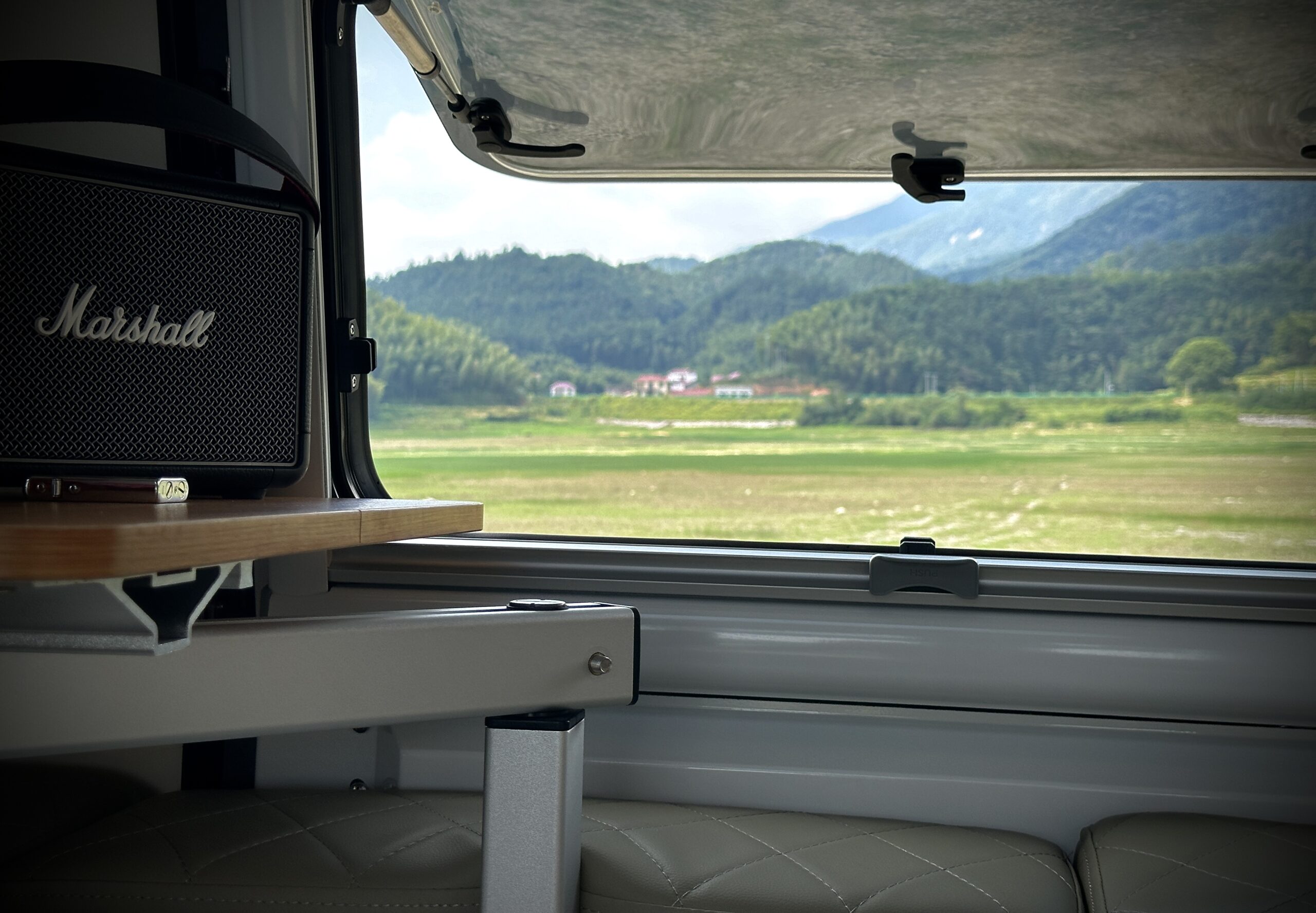
Truck campers have revolutionized the way outdoor enthusiasts approach travel, offering unparalleled mobility combined with home-like convenience. By mounting living quarters directly onto the bed of a pickup truck, these compact yet versatile vehicles provide freedom to explore off-the-beaten-path destinations without surrendering comfort. Whether you are a seasoned traveler or a weekend warrior eager to embrace the nomadic lifestyle, understanding the essentials of truck campers is crucial to making an informed purchase and enjoying a seamless experience.
What Is a Truck Camper?
A truck camper is a self-contained living space designed to fit securely onto the bed of a pickup truck. Unlike traditional RVs or trailers, truck campers leverage the maneuverability and strength of pickup trucks, allowing users to travel through rugged terrains, narrow roads, and remote locations where larger vehicles cannot access. These campers typically include sleeping quarters, kitchen facilities, dining and lounging areas, and often bathroom amenities, all compacted into an efficiently designed unit.
Types of Truck Campers
The market offers various types of truck campers, each catering to different needs and truck specifications. The main categories include:
- Slide-In Campers: These rest in the truck bed and are secured via clamps. They are easy to detach when not in use, maintaining the truck’s utility.
- Pop-Up Campers: Featuring collapsible roofs and sides, these campers expand when parked, offering more interior space without significantly affecting driving height.
- Teardrop Truck Campers: Compact and aerodynamic, these campers prioritize lightweight design perfect for smaller trucks.
- Hard-Shell Campers: These feature a rigid structure with durable exteriors, providing excellent weather resistance and generally longer lifespans.
Key Features to Consider When Choosing a Truck Camper
Picking the ideal truck camper depends on your lifestyle and intended use. Here are critical factors to evaluate:
1. Truck Compatibility
Truck campers must fit the dimensions of your vehicle’s bed. Load capacity is another crucial aspect; exceeding your truck’s Gross Vehicle Weight Rating (GVWR) can compromise safety and performance. Many manufacturers offer custom-built camper boxes tailored to specific pickup models, ensuring optimum fit and weight distribution. Always consult your vehicle’s manual and the camper manufacturer’s specifications.
2. Layout and Interior Amenities
Interior design affects comfort during extended stays. Common amenities include beds with storage underneath, compact kitchens with stoves and refrigerators, dining tables convertible to beds, and sometimes wet baths combining toilet and shower. Modern campers incorporate energy-efficient lighting, HVAC systems, and solar panels to enhance off-grid living.
3. Build Quality and Materials
Durability and maintenance are paramount for truck campers that encounter varying weather and terrain conditions. Fiberglass, aluminum, and composite materials are popular choices due to their lightweight yet sturdy characteristics. Insulation is vital for temperature regulation, especially in extreme climates.
4. Weight and Aerodynamics
Lightweight campers enhance fuel efficiency and truck handling, especially significant for smaller pickups. Aerodynamic shapes reduce wind resistance, contributing to smoother driving and lower fuel consumption.
5. Power and Utilities
Many campers come equipped with electrical systems powered by vehicle batteries, solar energy, or generators. Water storage tanks and greywater disposal setups increase convenience. Propane-powered appliances remain popular for cooking and heating due to their reliability.
Benefits of Truck Campers
Truck campers offer several advantages over other camping solutions:
- Maneuverability: Smaller than traditional RVs, allowing access to remote or off-road locations.
- Versatility: Detachable campers enable the pickup truck to be used independently when needed.
- Compactness: Easier parking and storage due to their smaller footprints.
- Cost-Effectiveness: Generally less expensive to purchase and maintain than motorhomes.
- Customization: Wide variety of models and custom builds to meet specific needs and preferences.
How to Maintain Your Truck Camper
Proper maintenance ensures longevity and safety of your truck camper. Essential practices include:
- Regular Cleaning: Clean both the interior and exterior, removing dirt, mold, and debris to prevent damage.
- Roof Inspection: Check for leaks, seal cracks, and apply protective coatings as needed.
- Check Mechanical Components: Inspect electrical wiring, propane lines, and water pumps periodically.
- Lubricate Moving Parts: Hinges, slides, and locks require lubrication to function smoothly.
- Storage Preparation: Winterizing tanks and ensuring the camper is well-ventilated during storage.
Popular Truck Camper Brands and Models
Several companies are recognized worldwide for their innovation and quality in truck camper manufacturing. Notably, some brands specialize in custom-built camper boxes compatible with specific pickup trucks, maximizing fit and functionality. Brands often vary based on region, with top manufacturers offering models ranging from basic to luxury levels.
If your interest lies in a custom-built camper box tailored to your pickup truck, consider exploring manufacturers with well-equipped production facilities known for quality craftsmanship and adaptability across different truck models.
Truck Camper vs Other RV Options
Understanding how truck campers compare to traditional travel trailers, motorhomes, and pop-up tents assists consumers in selecting the best fit for their adventuring style.
| Feature | Truck Camper | Travel Trailer | Motorhome | Pop-Up Tent |
|---|---|---|---|---|
| Maneuverability | High | Moderate to Low | Low | Very High |
| Setup Time | Minimal | Moderate | None | Variable |
| Sleeping Capacity | 2-4 | Varies (4-8) | Varies (4-10) | 2-6 |
| Off-Road Capability | Excellent | Poor | Poor | Good |
Planning Your First Trip with a Truck Camper
Planning enhances enjoyment and safety when traveling with a truck camper. Consider the following tips:
- Familiarize Yourself: Practice driving and maneuvering your vehicle with the camper attached in a safe environment.
- Route Selection: Choose accessible roads and campsites that accommodate your vehicle’s dimensions and weight.
- Pack Smart: Balance your load evenly, prioritize essentials, and account for limited storage space.
- Check Weather and Terrain: Prepare for conditions likely to be encountered, including temperature variations and off-road challenges.
- Maintain Safety Equipment: Carry first aid kits, fire extinguishers, and communication devices.
The Future of Truck Campers
Technological advancements and consumer demands drive continual innovation in truck camper design. Emerging trends include integrating smart home features, enhanced solar energy systems, lightweight materials, and improved aerodynamic profiles. Additionally, manufacturers increasingly focus on eco-friendly construction to reduce environmental impact. Customizability and modular designs promise to further tailor truck campers to the diverse needs of adventurers worldwide.
Conclusion
Truck campers offer a unique blend of flexibility, convenience, and adventure for those keen on exploring the outdoors without sacrificing comfort. Understanding the types, features, and practical considerations enables consumers to select a camper that complements their lifestyle and vehicle. With their increasing popularity and ongoing innovations, truck campers continue to shape the future of mobile living, making wide-ranging explorations more accessible than ever before.