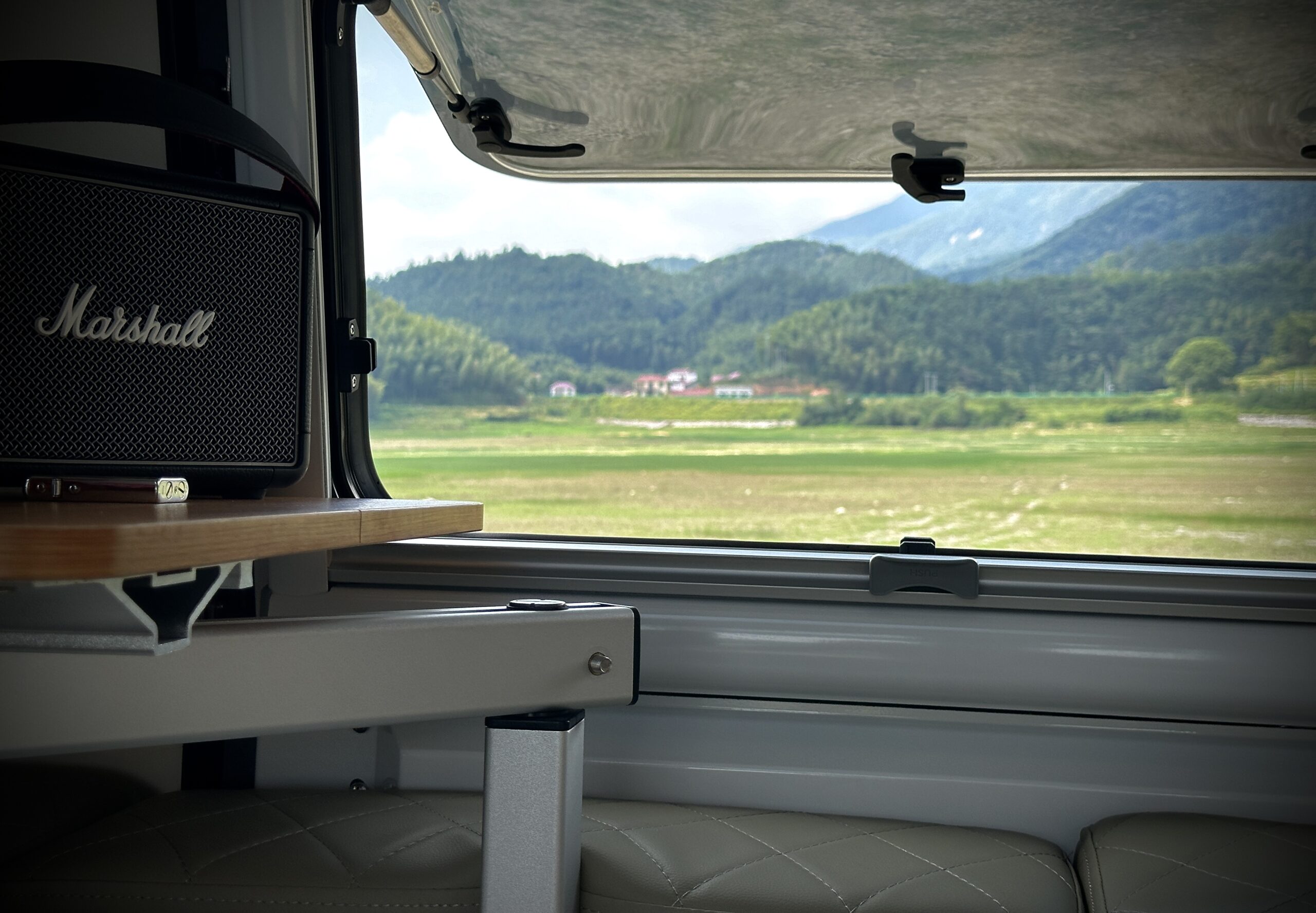
Truck campers have emerged as one of the most versatile and practical options for outdoor enthusiasts seeking freedom, comfort, and mobility. These compact living units mounted on the beds of pickup trucks offer a seamless blend of convenience and adventure. Whether you are a weekend traveler, a full-time nomad, or an off-road explorer, truck campers provide the flexibility to explore remote destinations while enjoying essential comforts.
In this comprehensive article, we will explore the various aspects of truck campers — from their history and design variations, to customization options, key features, benefits, and practical considerations. We will also delve into the growing popularity of truck campers worldwide and the innovative technologies shaping their future. This detailed guide aims to help you understand why truck campers are gaining momentum as a preferred choice for modern-day adventurers.
What Is a Truck Camper?
A truck camper is a portable camper unit designed to be loaded onto and carried by a pickup truck. Unlike traditional RVs or travel trailers, a truck camper leverages the truck’s chassis for mobility, allowing for enhanced maneuverability and off-road capability. The camper itself comprises living quarters, typically including sleeping spaces, a kitchen, storage, and often a compact bathroom or shower setup.
This design allows users to detach the camper from the truck when stationary or for separate use of the vehicle. Truck campers come in various styles and sizes, catering to different truck models and user needs. Their compact nature means they can access places inaccessible to larger motorhomes or caravans, making them ideal for outdoor adventures such as camping in national parks, backcountry trips, and remote fishing or hunting excursions.
History and Evolution of Truck Campers
The concept of truck campers dates back to the early 20th century when pickup truck owners began converting their vehicles for recreational use. Early campers were simple, often handmade wooden boxes equipped with basic sleeping and cooking facilities. Over the decades, with advancements in materials and automotive design, truck campers have evolved into sophisticated units with modern amenities comparable to traditional motorhomes.
In the 1950s and 1960s, the rise of the American road trip culture spurred demand for more refined truck campers. Manufacturers introduced models with lightweight fiberglass shells, aerodynamic shapes, and improved insulation. The last few decades have seen continuous innovation in terms of space optimization, off-grid capabilities, and integration of renewable energy sources like solar power. Today, truck campers represent a specialized sector of the RV market with their own conventions, support communities, and industry innovations.
Types of Truck Campers
Truck campers come in several configurations depending on size, weight, and intended use. Here are some common types and their characteristics:
Slide-In Truck Campers
The most prevalent style, slide-in campers fit within the confines of the truck bed, anchored securely to the vehicle frame. Their compact size makes them easy to transport and park, and their moderate height preserves good vehicle aerodynamics. Slide-in campers often include an over-cab sleeping area, a small kitchen, and a dinette.
Pop-Up Truck Campers
Pop-up campers feature collapsible roofs or expandable sections, allowing for a larger interior volume when set up, and a lower profile when traveling. This design saves fuel and reduces wind resistance, while still maximizing usable space for sleeping and living.
Hard-Side Truck Campers
These campers feature rigid, insulated walls made from fiberglass, aluminum, or composite materials. They offer better protection against weather and enhanced insulation for all-season travel. Hard-side campers often include fixed windows, overhead cabinets, and sometimes integrated bathrooms.
Off-Road Truck Campers
Built specifically for rugged terrains, off-road campers are reinforced for durability and stability. They typically feature higher ground clearance, shock-absorbing mounts, and robust insulation. These campers are popular among explorers who seek remote trails and isolated camping sites.
Key Features of Modern Truck Campers
Modern truck campers are equipped with an array of features that blend comfort, functionality, and technology. Let’s explore the key components and amenities you can expect:
Sleeping Arrangements
Most truck campers accommodate 2–4 people, with sleeping areas that include an over-cab bed, convertible dinettes, or fold-out sofas. Premium models may offer separate bedrooms or multiple sleeping zones for privacy.
Kitchen Facilities
Compact kitchens usually come with propane or electric stoves, microwave ovens, sinks with fresh water tanks, and refrigerators or coolers. Some models also include pull-out pantry storage for enhanced organization.
Bathroom and Shower Systems
Many truck campers integrate cassette toilets or portable chemical toilets. Some high-end units offer enclosed shower stalls with hot water supply systems connected to onboard water tanks and heaters.
Heating and Cooling
Insulation is crucial for comfort in varying climates. Auxiliary heating systems such as propane furnaces or electric heaters keep the camper warm in winter. Roof-mounted air conditioners, ceiling fans, and vent systems provide ventilation during warmer months.
Power Supply and Connectivity
Truck campers use a combination of batteries, propane generators, and solar panels to power lights, appliances, and electronic devices. Many units include USB ports, 12V outlets, and sometimes Wi-Fi boosters to stay connected on the road.
Storage Solutions
Due to limited space, innovative storage compartments maximize usability. Exterior storage bins, under-seat drawers, overhead cabinets, and slide-out trays help keep gear and supplies organized.
Benefits of Choosing a Truck Camper
The truck camper lifestyle offers several distinct advantages over other RV types, making it a popular choice for a wide range of users:
Enhanced Mobility and Access
Thanks to their compactness and the inherent off-road capabilities of pickup trucks, truck campers can navigate challenging terrains and tight spaces better than larger motorhomes or trailers.
Multi-Functional Vehicle Use
With the ability to detach the camper, the truck remains available for everyday use, work, or local errands. This flexibility enhances value and convenience.
Cost Efficiency
Truck campers are generally more affordable to purchase, maintain, and insure compared to full-sized RVs. Additionally, their smaller footprint means they consume less fuel and incur lower campground fees.
Customization and Personalization
Many truck camper manufacturers and retrofitters offer tailored designs to fit specific truck models and lifestyle preferences. From interior layouts to off-grid energy systems, users can create a personalized home on wheels.
Closer Connection to Nature
The intimate and compact living space fosters a cozy atmosphere, encouraging campers to spend more time outdoors appreciating natural surroundings.
Customizing Your Truck Camper
Customization plays a significant role in optimizing your truck camper to match your needs. Popular customization options include:
- Custom Fit Camper Boxes: Many manufacturers design camper shells precisely to fit the dimensions and specifications of different pickup models. This ensures safety, balance, and aesthetics.
- Interior Layouts: Choose between different configurations for sleeping areas, kitchen placement, and bathroom facilities depending on your priorities.
- Electrical Upgrades: Add solar panels, lithium-ion batteries, and inverter setups to enhance off-grid capability.
- Exterior Add-ons: Roof racks, awnings, ladder mounts, and backup cameras increase functionality and ease of use.
- Material Choices: Select lightweight or more durable materials such as composite panels or aluminum framing to optimize weight and strength.
Considerations When Buying a Truck Camper
Before purchasing a truck camper, consider the following factors to ensure your new mobile home fits your lifestyle and vehicle capabilities:
Truck Compatibility
The combined weight of the camper and contents must fall within your truck’s payload capacity to ensure safety and proper handling. Check your vehicle’s Gross Vehicle Weight Rating (GVWR) and Gross Combined Weight Rating (GCWR) to match the camper’s specifications.
Size and Layout
Think about how many people will regularly use the camper and for how long periods. More extended trips generally require additional storage, bathroom space, and comfort features.
Climate and Insulation
If traveling in extreme weather conditions, prioritize models with robust insulation, heating, and cooling systems that offer all-season comfort.
Budget
Set a budget not only for the camper but also for ancillary costs such as installation, vehicle upgrades, maintenance, and camping permits.
Usage Frequency and Destination
Decide whether you will use the camper for weekend trips, occasional vacations, or full-time living. Also, consider the terrains and environments you intend to explore, as they influence the model type and features required.
Maintenance and Upkeep
Proper maintenance is essential for truck campers to retain their functionality and appearance. Routine tasks include:
- Regular inspection of seals and weather stripping to prevent leaks
- Cleaning and servicing propane systems and electrical components
- Checking and repairing roof vents, windows, and doors
- Maintaining water tanks, pumps, and filtration systems
- Lubricating mechanical parts like slide-outs or pop-up mechanisms
- Winterizing the camper if not used during cold months
Popular Truck Camper Brands and Models
The market features several reputable manufacturers known for quality, durability, and innovation in truck campers. Some top brands include:
- Lance Campers: Known for aerodynamic design and thoughtful floorplans suitable for various truck sizes.
- Northstar Campers: Renowned for rugged off-road models and customizable interiors.
- Four Wheel Campers: Specializes in pop-up hard-side campers favored by overlanders.
- Host Campers: Offers luxury units with premium appliances and finishes.
- Hallmark RV: Provides compact yet feature-rich slide-in models.
Each brand has a unique design philosophy, so researching reviews, visiting dealerships, and attending RV shows can help in making an informed choice.
The Future of Truck Campers
As the outdoor and recreational vehicle markets evolve, truck campers are poised to embrace innovations around sustainability, connectivity, and smart living. Some trending developments include:
- Solar and Renewable Energy Integration: Enhanced solar arrays combined with smarter battery management systems to extend off-grid living capabilities.
- Lightweight and Eco-Friendly Materials: Adoption of composites and recycled materials to reduce carbon footprint while increasing durability.
- Smart Technology: Automated climate control, app-controlled lighting and appliances, and advanced security systems will enhance user experience.
- Electric and Hybrid Truck Compatibility: As electric pickup trucks become mainstream, campers designed specifically to optimize battery range and weight distribution will gain prominence.
The growing interest in minimalist lifestyles and green adventures positions truck campers as a sustainable and adaptable housing solution for the future.
Conclusion
Truck campers offer a unique blend of independence, practicality, and outdoor luxury that appeals to a diverse spectrum of adventurers. Their compact size, customizable features, and off-road capabilities empower users to explore varied landscapes without sacrificing comfort. As technology and design continue to progress, truck campers will play an increasingly significant role in how people experience the great outdoors.
Whether you are a casual weekend camper or an intrepid explorer, investing in a truck camper tailored to your needs can open doors to countless memorable journeys and unparalleled freedom on the road.