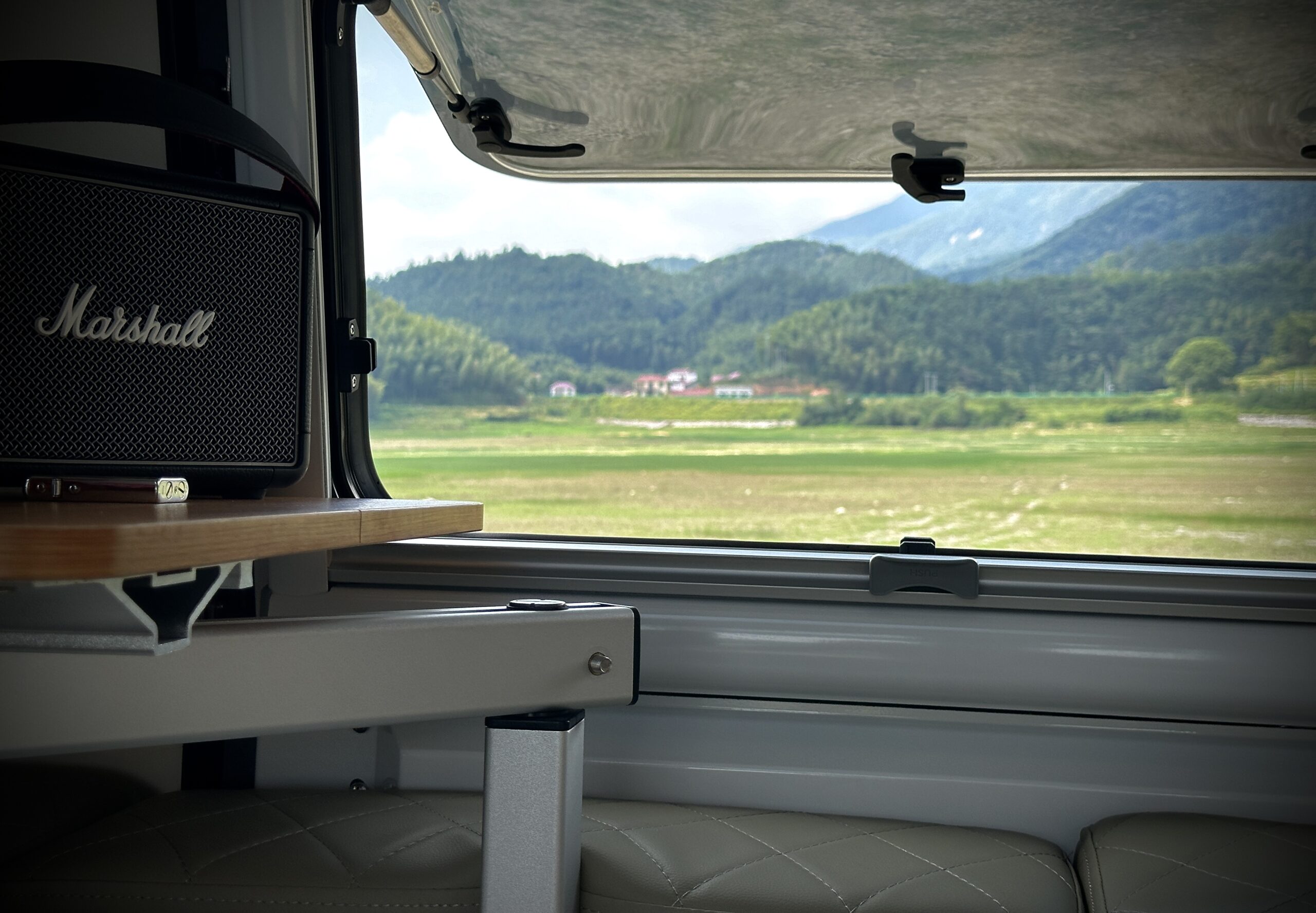
Truck campers have revolutionized the way adventurers and travelers explore the world, offering a unique blend of mobility, convenience, and comfort. Designed to be mounted on the bed of a pickup truck, these campers transform ordinary vehicles into fully functional living spaces, enabling users to venture off the beaten path with ease. This article delves deeply into the various aspects of truck campers, from their design and benefits to tips on selection, customization, maintenance, and popular models in the market, providing comprehensive insights suited for both newcomers and seasoned outdoor enthusiasts.
Understanding Truck Campers
Truck campers, also referred to as slide-in or cab-over campers, are specialized recreational vehicles that fit into the bed of pickup trucks. Unlike traditional travel trailers or motorhomes, truck campers maximize the use of the truck chassis, offering enhanced maneuverability and versatility. This compact housing solution typically features essential amenities such as sleeping quarters, a kitchenette, restroom facilities, and sometimes a small dining area. Their smaller size compared to larger RVs allows access to remote and rugged environments where big rigs might struggle or not be allowed.
The Evolution and Popularity of Truck Campers
The history of truck campers dates back several decades when they were initially conceived as practical solutions for outdoor workers and off-grid enthusiasts needing overnight accommodations. Over time, advancements in materials, design, and technology have elevated the cabin experience, making them popular among a diverse range of users — from weekend campers and hunters to long-distance travelers and digital nomads.
The appeal of truck campers lies primarily in their ability to detach and store separately from the vehicle, allowing pickup trucks to be used independently. Additionally, they offer considerable savings compared to larger motorhomes, both in terms of fuel efficiency and maintenance costs.
Key Components and Layouts of Truck Campers
Most modern truck campers are organized to optimize the limited space available without compromising on comfort. The typical layout includes:
- Sleeping Area: Typically located over the truck’s cab, this space, often called the “cabover,” can accommodate two adults comfortably. Some designs include fold-down beds or convertible sofas to maximize usable area.
- Kitchenette: Equipped with a propane stove, sink with running water, compact refrigerator, and storage cabinets, the kitchenette is essential for meal preparation on the road.
- Bathroom Facilities: Depending on the model, the camper may include a wet bath (combined toilet and shower) or a portable toilet. Some units come with exterior showers for added convenience.
- Dining and Living Space: Multi-functional tables paired with bench seats are typical, doubling as additional sleeping spots in some layouts.
- Storage: Integrated cabinets, under-bed compartments, and external storage boxes are critical for organizing camping gear, clothing, and supplies.
Benefits of Owning a Truck Camper
Truck campers offer a multitude of advantages to travelers:
- Compactness and Mobility: Their small size makes navigating narrow roads, tight trails, and crowded urban areas feasible, unlike bulky motorhomes.
- Off-road Capability: When mounted on 4×4 trucks, campers allow access to remote and off-grid locations, perfect for nature lovers who want to escape the crowds.
- Cost Efficiency: With relatively lower purchase prices, fuel consumption, and maintenance costs, truck campers represent an affordable entry into RV living.
- Customization Options: Many manufacturers offer bespoke designs tailored to specific trucks and user needs, ensuring an optimal match between vehicle and camper.
- Versatility: The ability to detach the camper allows using the truck for everyday tasks independent of camping activities.
Selection Criteria for a Truck Camper
Choosing the ideal truck camper depends on several factors that can dramatically impact your experience and satisfaction:
- Truck Compatibility: Ensure the camper fits your truck’s bed size and weight capacity. Overloading can affect the vehicle’s handling and safety.
- Weight: Lighter campers tend to be easier on fuel economy and suspension but might compromise on amenities.
- Amenity Preferences: Decide which features are must-haves based on your travel style — whether it’s a full bathroom, kitchen stove, or solar power system.
- Build Quality and Materials: Look for durable construction such as fiberglass exteriors, insulated walls for varying climates, and weatherproof seals.
- Budget: Cost varies widely depending on size, features, brand, and customizations. Factor in not only purchase price but also ongoing maintenance.
- Off-road vs On-road Use: If you plan to take your camper off-road, prioritize rugged construction, higher ground clearance, and 4×4 truck compatibility.
Customization and Upgrades
One of the exciting aspects of truck campers is the ability to customize them extensively, reflecting personal tastes, travel needs, and budget. Popular customization options include:
- Solar Power Systems: Adding solar panels and batteries increases off-grid capability and reduces reliance on generators.
- Heating and Cooling: Installing efficient roof-mounted air conditioners, diesel heaters, or portable fans to manage extreme weather conditions.
- Enhanced Insulation: Upgrading insulation materials keeps the camper warm during winter and cool during summer.
- Entertainment and Connectivity: Integration of Wi-Fi boosters, satellite TV, and sound systems to stay connected and entertained.
- Exterior Accessories: Roof racks, awnings, bike racks, and additional lighting extend functionality outside the camper.
- Interior Upgrades: Swapping out furniture, installing custom cabinetry, and upgrading appliances enhance comfort and style.
Maintenance and Care Tips
Proper maintenance is crucial to prolong your truck camper’s lifespan and preserve its functionality:
- Regular Cleaning: Clean both interior and exterior regularly to prevent mold, dirt buildup, and corrosion.
- Weatherproofing: Inspect seals around windows, doors, and roof vents to prevent leaks, especially before and after harsh weather.
- Mechanical Checks: Maintain propane systems, electrical wiring, and water pumps by scheduling routine inspections.
- Storage Precautions: When not in use, store campers in covered areas or use protective covers to shield against UV rays and moisture.
- Truck Maintenance: Keep the host vehicle in peak condition, particularly paying attention to suspension, tires, and weight distribution.
Top Truck Camper Models and Brands
The market for truck campers is continually evolving, with numerous manufacturers offering models designed for diverse needs. Some renowned brands recognized for quality and innovation include:
- Slide-in Campers Inc: Known for their rugged off-road designs, Slide-in Campers focus on durability and comfort with lightweight construction tailored for mid-sized trucks.
- Northstar Campers: A staple in the industry, Northstar provides high-end luxury truck campers with customizable layouts and top-notch materials.
- Lance Campers: Lance is celebrated for their aerodynamic designs and family-friendly interiors, making them ideal for a wide range of outdoor excursions.
- Four Wheel Campers: Specializing in compact and lightweight models, Four Wheel Campers are praised for their off-road capabilities and smart space utilization.
- Host Campers: A pioneer in truck camper manufacturing, Host produces rugged, durable models renowned for cold weather insulation and extended touring.
Truck Camper Lifestyle and Community
Beyond practicality, truck campers foster a vibrant community united by a passion for exploration and self-sufficiency. Owners often share tips, organize meet-ups, and embark on group trips, creating a rich culture around these vehicles. The lifestyle appeals to those eager to explore national parks, trails, and beaches, escaping urban hustle and embracing nature with ease.
Moreover, the growing trend in remote work has turned truck campers into mobile offices, allowing professionals to combine work and travel seamlessly. This flexibility enhances work-life balance and paves the way for unique adventures without sacrificing productivity.
Conclusion
Truck campers provide a compelling solution for adventurous souls seeking freedom on the road combined with essential comforts. Their ability to transform regular pickup trucks into mobile homes opens endless possibilities for travel, exploration, and outdoor enjoyment. Whether you’re a weekend warrior, off-road enthusiast, or full-time traveler, understanding the nuances of truck campers will help you make informed decisions, ensuring your journeys are as smooth and enjoyable as possible.
By appreciating the design, benefits, selection criteria, maintenance, and community aspects of truck campers, potential owners can fully embrace this dynamic form of recreation. As innovations continue, truck campers remain a perfect fusion of practicality, independence, and adventure, redefining the way we experience the great outdoors.