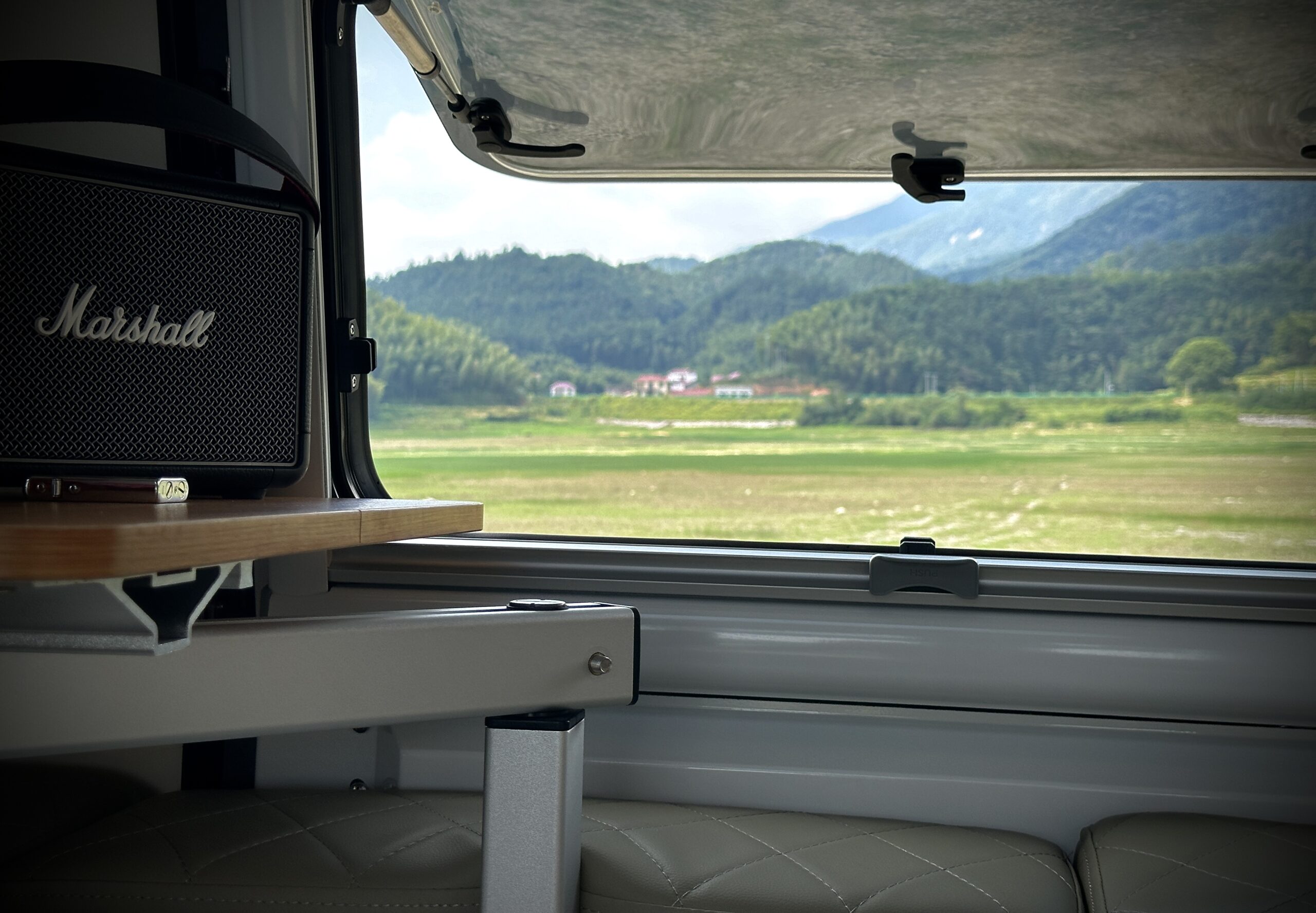
Truck campers have revolutionized the way outdoor enthusiasts, adventurers, and travelers experience the open road. Unlike traditional RVs that require separate towing vehicles or large motorhomes, truck campers mount directly onto the bed of a pickup truck, combining mobility, convenience, and comfort in a compact design. This unique integration allows for unparalleled off-road capability, easier parking, and versatility for a variety of terrains and environments.
In recent years, the demand for truck campers has surged as more people seek flexible and affordable ways to embrace nomadic lifestyles or weekend getaways. The rise of remote work, increased environmental awareness, and a growing desire for self-sustained travel have positioned truck campers as an attractive alternative to conventional recreational vehicles. If you are considering investing in a truck camper or are simply curious about this innovative approach to adventure travel, this comprehensive guide will walk you through everything you need to know—from the basics and benefits to design features, customization options, and tips for usage and maintenance.
Understanding Truck Campers
A truck camper is a portable living unit designed to be loaded onto the bed of a pickup truck. Unlike travel trailers or fifth-wheels that must be towed separately, truck campers are physically attached to the truck chassis, creating a single compact vehicle. This design provides numerous advantages, especially for people who want to combine the rugged capability of a pickup with the comforts of a small home on wheels.
Typically, truck campers include essential amenities such as sleeping quarters, kitchenettes, dining areas, small bathrooms with showers, and storage compartments. The interior is intelligently designed to maximize space usage, often using fold-away beds, slide-outs, or expandable sections to enlarge living areas when stationary. Sizes can vary widely based on the truck bed dimensions and intended usage, ranging from small, minimalist units to larger, more luxurious models.
Advantages of Truck Campers
The popularity of truck campers is fueled by several key benefits that appeal to modern travelers:
- Compact Mobility: The combination of a pickup truck and a camper means driving and maneuvering is simpler than towing a traditional trailer. This is especially beneficial for navigating narrow roads, steep trails, or crowded campgrounds.
- Off-Road Capability: Many pickups are designed with four-wheel drive and high clearance, allowing truck campers to access more remote and rugged destinations that conventional RVs cannot reach.
- Flexibility: Since the camper can be removed, the truck remains available for everyday use, whether for work, errands, or recreational activities.
- Cost Efficiency: Truck campers tend to have lower upfront costs compared to large motorhomes and save on fuel due to their lighter weight and better aerodynamics compared to travel trailers.
- Self-Contained Comfort: Modern truck campers often feature energy-efficient appliances, solar panels, and water systems, enabling off-grid living with minimal environmental impact.
Key Features and Components of Truck Campers
Modern truck campers incorporate a range of features designed to optimize functionality, comfort, and safety. Understanding these components helps buyers select the perfect camper to meet their needs.
Sleeping Areas
Sleeping arrangements in truck campers are designed to maximize space efficiency. Common designs include over-cab sleeping areas, rear beds, convertible dinettes, or fold-down bunks. Depending on the size and model, some campers offer sleeping capacity for two to four people comfortably.
Kitchen and Cooking Facilities
Compact kitchenettes often come equipped with propane or electric stoves, microwaves, sinks, and small refrigerators. These facilities allow users to prepare meals during travel, enhancing independence and reducing reliance on eating out or camping services.
Bathroom Facilities
Most truck campers include space-efficient wet baths — combining shower and toilet in a single compartment. Advanced models might have separate showers, composting toilets, or cassette toilets, depending on camper size and budget.
Storage Solutions
Given the limited space, smart storage solutions are critical. Designers use under-seat compartments, overhead cabinets, slide-out drawers, and exterior storage boxes to provide ample room for gear, clothing, and necessities.
Climate Control and Insulation
Good insulation helps maintain comfortable temperatures inside the camper regardless of outdoor conditions. Heating can be provided by propane or diesel furnaces, while air conditioning units or roof vents ensure cooling. Some campers also feature double-pane windows and thermal curtains for added comfort during extreme weather.
Electrical and Energy Systems
Truck campers typically include electrical systems powered by batteries, shore power hookups, or solar panels. These systems support lighting, charging ports, appliances, and HVAC units. Many users invest in solar power arrays combined with lithium battery banks to enable extended off-grid stays.
Customization and Compatibility with Pickup Trucks
One of the greatest advantages of truck campers is their ability to be customized to fit a wide range of pickup truck models. Whether you own a compact pickup like the Toyota Tacoma or a heavy-duty truck such as the Ford F-350, there are camper options tailored to your vehicle’s dimensions and payload capacity.
Manufacturers offer customized camper boxes built to fit the exact bed length, width, and weight limits of your truck. This ensures proper weight distribution, stability, and safety during travel. Additionally, many campers can be modified or upgraded with specific features to match lifestyle needs, including enhanced insulation, off-road readiness packages, or luxury interiors.
Custom fabrication also allows for integration of specialized equipment such as awnings, exterior kitchens, solar power mounts, and bike racks. For commercial users, truck campers can be adapted into mobile service units or offices, further demonstrating their versatility.
Choosing the Right Truck Camper for Your Needs
Selecting the perfect truck camper requires careful consideration of several factors:
- Truck Compatibility: Know your pickup truck’s payload capacity and bed size to ensure you choose a camper that fits safely and legally.
- Intended Usage: Decide whether you will primarily use the camper for weekend adventures, extended travel, or full-time living, as this impacts the size and amenities required.
- Budget: Truck campers vary widely in cost, from affordable entry-level models to high-end luxury builds. Make sure to factor in additional costs like customization, maintenance, and outfitting.
- Off-Road Capabilities: If your adventures involve rugged terrain, prioritize campers that support off-road suspension, protection plates, and secure mounting systems.
- Amenities and Features: List your must-have features such as kitchen appliances, bathrooms, heating, or solar power to narrow down models that meet your comfort and self-sufficiency goals.
Maintenance and Upkeep of Truck Campers
Regular maintenance is key to maximizing the lifespan and safety of your truck camper. Some essential upkeep tasks include:
- Inspecting mounts and tie-downs: Ensure secure attachment of the camper to the truck bed before every trip.
- Checking seals and weatherproofing: Prevent leaks by regularly inspecting windows, roofs, and doors for cracks or wear and resealing as needed.
- Maintaining electrical systems: Test battery health, solar panels, and wiring to avoid power outages.
- Cleaning and servicing plumbing: Flush water tanks, clean filters, and check pumps to ensure reliable water supply.
- Appliance upkeep: Service stoves, heaters, and refrigeration units according to manufacturer recommendations for safety and efficiency.
Additionally, perform seasonal tasks such as winterizing water lines and cooling systems if you plan to store the camper through freezing weather.
The Future of Truck Campers
The truck camper market continues to evolve rapidly with innovations driven by materials science, sustainability, and digital technology. Recent trends include the use of lightweight composite materials to reduce overall weight, solar electric propulsion integration, and smart control systems that allow users to monitor and manage camper systems remotely via mobile apps.
As environmental concerns intensify, many manufacturers are exploring eco-friendly designs, such as incorporating recycled materials, energy-efficient appliances, and composting toilets. Off-grid capability is enhanced by improved battery technology and renewable energy harvesting, enabling longer stays in remote locations without negatively impacting the environment.
Furthermore, the rise of customization services and modular designs means consumers will increasingly be able to tailor truck campers precisely to their lifestyle needs and aesthetic preferences, blurring the lines between recreational vehicles and modern mobile homes.
Conclusion
Truck campers embody a perfect blend of compactness, convenience, and capability for modern adventurers who desire freedom on the road without sacrificing essential comforts. The ability to customize campers to fit your pickup truck and personal travel style paired with their off-road potential makes truck campers some of the most versatile and practical vehicles for exploration today.
Whether you’re a weekend warrior, a full-time traveler, or a commercial operator searching for mobile solutions, investing in a well-designed truck camper can transform your experience by providing safe, comfortable living spaces wherever your journeys take you. Embrace the spirit of exploration with a truck camper, and discover limitless possibilities for adventure.