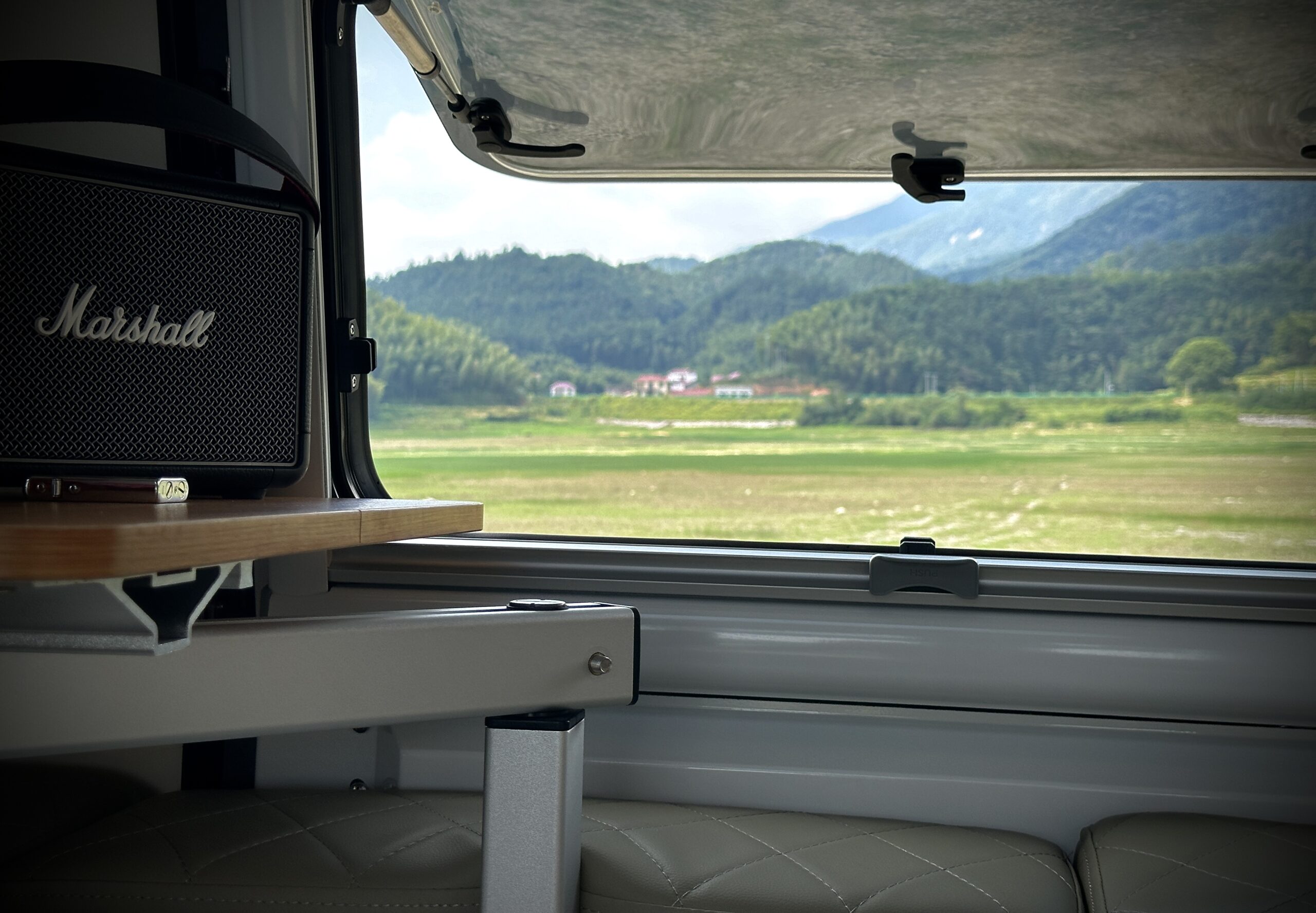
Truck campers have emerged as a versatile and increasingly popular option for outdoor enthusiasts, adventurers, and travelers seeking flexibility combined with comfort. With the ability to be mounted directly onto the bed of a pickup truck, these compact living spaces offer a unique blend of mobility, convenience, and self-sufficiency. This article explores the world of truck campers, from understanding their key components, benefits, and types, to guiding you through selection criteria, practical usage tips, and maintenance advice. Whether you are a seasoned road warrior or a novice preparing for your first camping expedition, this in-depth discussion will equip you with valuable knowledge to make informed decisions, maximize your enjoyments, and safeguard your investment.
Introduction to Truck Campers
Truck campers are specially designed units that fit into the bed of pickup trucks, transforming a standard vehicle into a fully functional mobile living space. Unlike traditional RVs or trailers, truck campers provide the advantage of a compact footprint, making them ideal for navigating varied terrains, crowded campsites, or urban environments. Their relatively lighter weight compared to full-sized motorhomes allows for improved fuel efficiency and easier maneuverability.
Additionally, truck campers typically feature essential amenities such as sleeping quarters, small kitchenettes, storage space, and sometimes compact restroom facilities, offering the comforts of home while on the road. These units are particularly favored by people who want the freedom to explore off-the-beaten-path locations without sacrificing convenience.
Types of Truck Campers
Understanding the types of truck campers is crucial for choosing the right fit for your lifestyle and truck capabilities. The main categories include:
1. Slide-In Truck Campers: The most common type, slide-in campers mount directly onto the bed of a pickup truck. They can be loaded and unloaded as needed, providing flexibility where the truck can still be used independently.
2. Pop-Up Truck Campers: These campers feature expandable roofs or sides that pop up to increase headroom and living space when parked while keeping a lower profile during travel to enhance aerodynamics and reduce wind resistance.
3. Hard-Side Truck Campers: Characterized by solid insulated walls and a durable exterior, these are ideal for colder climates and prolonged trips. They provide better protection against weather and enhanced security.
4. Teardrop Truck Campers: Smaller and lighter units that offer minimalistic accommodations, usually limited to sleeping and light storage. They are perfect for solo travelers or couples who prefer ultra-lightweight solutions.
Key Features and Amenities
Modern truck campers integrate numerous features tailored to meet users’ needs without compromising on space efficiency. Some typical amenities include:
- Sleeping Area: Varying from fixed beds to convertible dinettes, designed to sleep one to four people.
- Kitchenette: Equipped with a small sink, propane stove or electric cooktop, refrigerator or cooler, and countertop space.
- Bathroom Facilities: Some models include compact wet baths with shower and toilet; others may have portable solutions.
- Storage: Efficiently designed compartments both inside and outside for gear, supplies, and personal belongings.
- Electrical System: Integration of battery banks, solar panels, inverters, and multiple power outlets to enable self-sufficient operation.
- Climate Control: Insulation combined with heating or air conditioning systems to ensure comfort throughout diverse weather conditions.
Advantages of Truck Campers
Truck campers present several advantages when compared to other recreational vehicles. These include:
- Versatility: Since the camper unit can be detached, your truck remains fully functional for daily driving, hauling, or other uses.
- Maneuverability: Smaller size allows access to narrow roads, remote trails, and tight campsites that larger RVs or trailers cannot reach.
- Cost Efficiency: Generally, truck campers are more affordable than full-sized motorhomes, both in upfront cost and long-term maintenance.
- Fuel Economy: The reduced weight and drag compared to class A or class C motorhomes typically result in better fuel consumption rates.
- Quick Setup: Many truck campers require minimal setup time upon reaching your destination, enabling spontaneous adventures.
Choosing the Right Truck Camper
When selecting a truck camper, several considerations should guide your decision to ensure compatibility, safety, and satisfaction:
- Truck Compatibility: Assess your truck’s payload capacity, bed dimensions, and suspension capabilities. Your camper must not exceed these limits to avoid compromising vehicle performance or safety.
- Size and Weight: Balance your desire for amenities with the camper’s weight. Overloading can stress the suspension and brakes and affect handling.
- Usage Patterns: Define if you plan short weekend trips, extended road journeys, or seasonal camping. This influences the required features, insulation, and durability.
- Climate Considerations: Choose insulation and heating/cooling options appropriate for the regions where you intend to camp.
- Budget: Evaluate initial purchase costs and anticipated maintenance to select models that offer the best value within your budget.
- Customization Opportunities: Some manufacturers provide custom-built solutions tailored to different pickup brands and user preferences. Explore these for enhanced fit and function.
Installation and Setup
Installing a truck camper involves safely securing the unit to your truck’s bed, typically using tie-downs and turnbuckles designed for this purpose. Professional installation is recommended to ensure proper alignment, weight distribution, and safety compliance. For pop-up or slide-in varieties, practice unfolding, deploying, and stabilizing the camper to reduce setup time during trips.
Maintenance and Care
Proper upkeep is vital for longevity and performance of truck campers. Key maintenance activities include:
- Exterior Care: Regular cleaning, inspection of seals and joints, and application of UV protectants preserve the camper’s finish and weather resistance.
- Electrical Systems: Periodic testing of batteries, solar panels, wiring, and appliances to prevent failures.
- Plumbing: Winterization of water tanks and pipes, leak checks, and sanitation ensure functionality and hygiene.
- Mechanical Components: Monitoring slide-out mechanisms, hinges, and locks helps maintain smooth operation.
Popular Uses and Lifestyle Fits
Truck campers cater to a broad spectrum of users:
- Adventure Enthusiasts: Ideal for hunters, anglers, mountain bikers, and off-roaders needing a mobile base camp close to nature.
- Travelers and Nomads: Perfect for those embracing road life, offering a compact home on wheels suitable for both urban and rural excursions.
- Families: Smaller family groups benefit from versatile sleeping arrangements and storage designed for active lifestyles.
- Remote Workers: Some users leverage truck campers as mobile offices, combining work flexibility with travel.
Trends and Innovations
The truck camper industry is evolving with ongoing innovations such as lightweight composite materials, solar-powered electrical systems, smart home integrations, and enhanced insulation technologies. Manufacturers increasingly offer modular designs allowing easier upgrades and personalized configurations. Additionally, eco-friendly options such as composting toilets and energy-efficient appliances are gaining traction, making truck campers more sustainable and user-friendly.
Conclusion
Truck campers represent a compelling choice for individuals seeking an adventurous yet comfortable lifestyle. They merge the freedom of the open road with the conveniences of modern living, all packaged in a compact, practical unit. By understanding the types, features, benefits, and maintenance needs, prospective owners can choose a camper tailored to their priorities, ensuring rewarding travel experiences and dependable performance. Whether venturing into wilderness or cruising familiar routes, a well-selected truck camper is a gateway to exploration and memorable journeys.