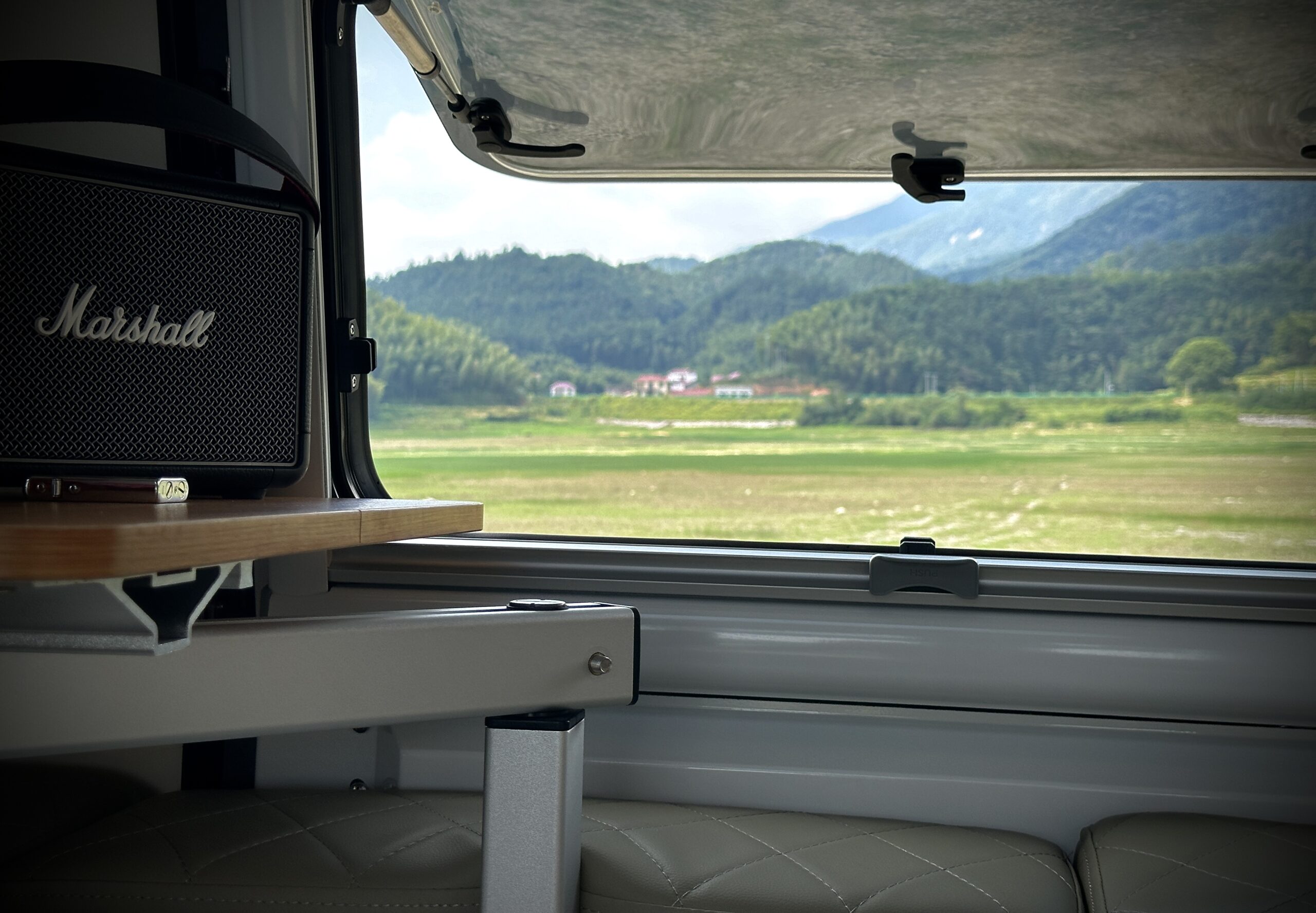
Truck campers have seen a remarkable evolution over the past few decades, transforming the way adventurers and travel enthusiasts explore the outdoors. Combining the mobility of a truck with the comforts of a compact living space, truck campers offer a versatile and affordable way to experience nature without sacrificing convenience. As more people seek flexible, off-grid travel options, the popularity of truck campers continues to surge, driven by innovations in design, materials, and technology.
What is a Truck Camper?
A truck camper is a type of recreational vehicle (RV) designed to be loaded onto the bed of a pickup truck. Unlike traditional RVs or travel trailers, truck campers are highly mobile and compact, making them ideal for navigating rough terrain, remote locations, and narrow roads where larger RVs cannot go. The camper unit typically features essential living amenities such as sleeping quarters, a small kitchen, dining area, and often a bathroom. By utilizing the pickup truck as a base vehicle, owners enjoy the dual purpose of daily transport and travel accommodation in a single package.
Advantages of Truck Campers
One of the main benefits of truck campers is their exceptional versatility. Since they can be detached from the truck, the vehicle remains usable for everyday errands, off-roading, or towing. This separation also means that when camping, owners can leave the camper at a site and use the truck independently, providing greater freedom to explore nearby areas.
Compactness is another key advantage. Truck campers occupy much less space than class A or class C motorhomes, allowing them to fit into regular parking spaces and campgrounds designed for tents or smaller RVs. Their lower profile improves fuel efficiency and reduces wind resistance, making long-distance travel more feasible and affordable.
Additionally, truck campers are often more cost-effective compared to larger RVs. They require a relatively smaller investment, both in terms of initial purchase price and upkeep. Maintenance on the truck and camper can often be handled separately, sometimes lowering overall service costs. Insurance rates for truck campers tend to be more affordable as well.
Design and Features of Modern Truck Campers
Modern truck campers blend aesthetics with functionality. Manufacturers focus on optimizing space utilization to ensure comfort without bulk. Modular interiors allow customization based on user preferences, such as sleeping arrangements, kitchen appliances, and storage options.
Typical features include:
- Sleeping Quarters: Usually a dedicated bed or convertible dinette sleeping space that maximizes every inch of the camper.
- Kitchen: Compact kitchenette equipped with a stove, sink, refrigerator, and storage cabinets. Some models include microwaves or convection ovens.
- Bathroom: Many truck campers feature wet baths that combine a shower and toilet within a small footprint, though some models omit bathrooms in favor of more living space.
- Climate Control: Heating and air conditioning systems designed for off-grid use, with energy-efficient options such as propane heaters and solar power integration.
- Electrical and Water Systems: Advanced battery banks, solar panels, fresh and grey water tanks, and water pumps facilitate extended stays off-grid.
- Slide-outs and Expansions: Some campers offer slide-out sections that expand the living area when parked, improving spaciousness without affecting mobility.
Customization and Compatibility with Pickup Models
One of the defining features of high-quality truck campers is their adaptability to various pickup truck models. Manufacturers work with clients to custom-build camper boxes that fit specific make and model dimensions, ensuring a secure fit and balanced weight distribution. This customization allows owners to choose between different truck sizes—from midsize pickups to heavy-duty full-size trucks—tailoring camper designs accordingly.
Customization options extend beyond basic fitment. Buyers can select interior layouts, materials, finishes, and even auxiliary accessories such as awnings, roof racks, and external storage compartments. This personalization ensures the camper meets personal needs—whether for solo travel, couples, or family outings.
The Growing Popularity of Off-Grid and Overlanding Lifestyles
Truck campers have become the vehicle of choice for overlanding, a lifestyle centered on self-reliant travel to remote destinations, often involving off-road trails. The ruggedness and compact nature of truck campers make them perfectly suited to harsh environments where traditional RVs would struggle. Overlanders appreciate the ability to camp virtually anywhere, from wilderness areas to desert plains, all while having a reliable, self-contained living unit.
Off-grid capabilities play a crucial role in this trend. Integration of solar power systems, water filtration, and robust battery banks means users can enjoy extended camping periods without needing hookups. Technological advances in lightweight building materials and energy-saving appliances have further improved the feasibility of long-term off-grid living.
Choosing the Right Truck Camper
Selecting a truck camper requires careful consideration of multiple factors to align the vehicle’s capabilities with user expectations and travel habits. Some critical factors include:
- Truck Size and Payload Capacity: Ensure your pickup truck can safely carry the weight of the camper without compromising handling or mechanical longevity.
- Intended Usage: Decide if you plan primarily on local trips, extended cross-country adventures, or serious off-roading. This will affect required features and durability.
- Comfort and Amenities: Consider how many people will be using the camper and what comforts are essential—bathroom facilities, kitchen appliances, heating/cooling.
- Budget: Determine total budget not only for purchase but also for modifications, maintenance, and potential upgrades over time.
- Brand Reputation and Warranty: Research manufacturers known for quality craftsmanship and customer support. Warranties and service centers ensure peace of mind.
Maintenance and Care for Longevity
Proper maintenance of the truck camper extends its lifespan and preserves value. Owners should perform regular inspections of the camper’s exterior, including seals and joints, to prevent water ingress. Electrical systems and plumbing require routine checks to avoid malfunctions while on the road. Cleaning both interior and exterior surfaces, particularly after exposure to harsh weather, helps maintain materials and finishes.
Additionally, storing the camper appropriately during off-seasons—preferably in covered or enclosed spaces—reduces weathering and damage. When not in use, batteries should be monitored and maintained to preserve charge levels and health.
The Future of Truck Campers
Industry trends signal a promising future filled with innovation for truck campers. The push towards sustainable, eco-friendly travel solutions is driving the adoption of green technologies such as electric powertrains, lightweight composite materials, and energy-efficient appliances.
Manufacturers are experimenting with hybrid systems integrating solar power with battery storage to provide reliable energy sources without reliance on fossil fuels. Advances in smart technology enable better control of climate systems, security, and entertainment from mobile devices, enhancing user experience.
Furthermore, the intersection of autonomous driving technology and RV design hints at a future where truck campers could become part of smart, self-driving travel networks, enabling people to relax and enjoy the journey fully.
Conclusion
Truck campers represent a unique blend of freedom, practicality, and adventure. Their compact form, paired with the robustness of pickup trucks, offers unparalleled flexibility for outdoor enthusiasts who seek to explore beyond traditional camping boundaries. With continued advancements in design, technology, and sustainability, truck campers are poised to redefine mobile living experiences and make off-grid adventures accessible to a broader audience.
Whether you are a seasoned overlander or a weekend warrior, investing in a high-quality, customizable truck camper can open up an exciting world of travel possibilities that combine comfort with the ruggedness needed to truly connect with nature on your terms.