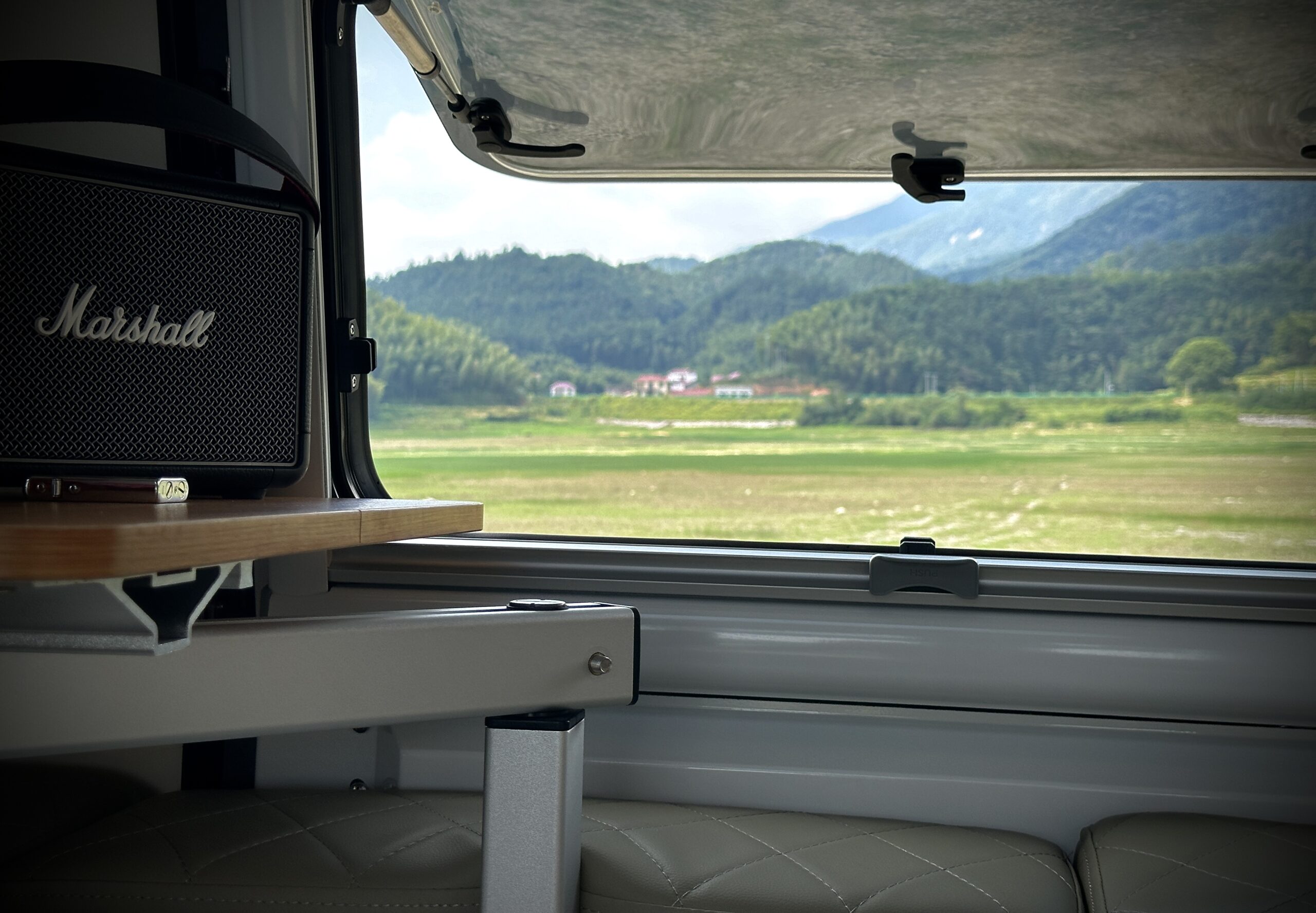
Truck campers represent a unique fusion of mobility and comfort, merging the ruggedness of trucks with the convenience of compact living spaces. For adventurers and travel enthusiasts, truck campers offer an unparalleled way to experience the open road without sacrificing the amenities of home. This comprehensive guide delves into the fundamentals of truck campers, their benefits, types, customization options, maintenance tips, and the lifestyle they promote.
What Is a Truck Camper?
A truck camper is a type of recreational vehicle designed to be mounted on the bed of a pickup truck. Unlike traditional RVs or motorhomes, which are built on their own chassis, truck campers utilize the versatility and power of pickup trucks, combining transportation and living quarters into a single unit. This design allows for excellent maneuverability, off-road capability, and the freedom to explore remote destinations that larger RVs may find inaccessible.
Historical Evolution
The origins of truck campers trace back to early 20th-century camping trends, where overnight accommodations were devised to be portable and adaptable to varying terrains. Over the decades, advances in materials, design, and amenities have transformed simple camper units into sophisticated homes on wheels. Modern truck campers often feature flush floors, slide-outs, solar energy systems, and luxury appliances, reflecting the evolution of consumer expectations and technological progress.
Advantages of Truck Campers
One of the most compelling advantages of truck campers is their compact size, which makes storage and transportation easier compared to traditional RVs. Their design offers several specific benefits:
- Mobility and Accessibility: Due to their size, truck campers can access narrow trails, steep inclines, and off-grid locations, ideal for camping enthusiasts seeking solitude.
- Cost Efficiency: Truck campers generally cost less than larger motorhomes, both in acquisition and ongoing operational expenses.
- Fuel Economy: The lighter weight of the combined truck and camper unit typically results in better fuel economy compared to heavier RVs.
- Modular Flexibility: Since truck campers are detachable, the truck can be used independently for regular transportation.
- Quick Setup: Setting up camp is often faster and simpler because the camper is already mounted on the truck.
Types of Truck Campers
Truck campers are available in various configurations, designed to meet diverse customer needs and preferences. The main types include:
- Slide-In Campers: These are the most traditional and common type, designed to slide into the bed of a pickup truck, secured by tie-downs and turnbuckles.
- Pop-Up Campers: Featuring expandable sections that pop up or slide out for additional space when stationary, optimizing fuel efficiency during transport due to their compact profile.
- High-Wall Campers: Incorporating walls that extend higher than the truck bed, these models offer increased interior living space and storage capacity.
- Hard-Side Campers: Constructed with rigid walls, these campers provide better insulation and freeze protection, suitable for four-season travel.
- Hybrid Campers: Combining features from different camper types, hybrids often include soft pop-up roof sections with hard walls to balance space and weight.
Choosing the Right Truck Camper
Selecting an ideal truck camper depends on several factors, including vehicle compatibility, intended use, budget, and personal lifestyle. Here are key considerations:
- Truck Compatibility: The weight and size of a camper must align with the truck’s payload and suspension capabilities to ensure safety and performance.
- Purpose of Use: Whether you are primarily a weekend traveler, long-distance explorer, or off-road adventurer will influence the camper features and durability requirements.
- Interior Layout: Assess your needs for sleeping arrangements, kitchen facilities, bathroom options, and storage to find a layout that maximizes comfort.
- Budget Constraints: Balancing cost with quality and features requires careful interviewing and comparison among manufacturers and dealers.
- Seasonal Considerations: Four-season campers come equipped with insulation and heating systems, vital for cold weather travel; if your trips are mostly in warm climates, lighter models may suffice.
Customization Options
Modern truck campers can be extensively customized to enhance functionality and personal style. Depending on the manufacturer or custom builder, buyers can add or modify features such as:
- Solar Power Systems: Integrating solar panels and battery storage systems for off-grid energy independence.
- Interior Finishes: Upgrading to premium upholstery, cabinetry, and flooring materials tailored to personal tastes.
- Slide-Out Extensions: Installing slide-outs to expand living space, kitchen, or sleeping quarters.
- Advanced Appliances: Incorporating induction cooktops, convection microwaves, and compact refrigerators optimized for space efficiency.
- Entertainment Systems: Adding smart TVs, surround sound speakers, and connectivity options for digital streaming.
- Exterior Accessories: Awnings, bike racks, roof racks, and off-road lighting contribute to utility and enjoyment during excursions.
- Climate Control: Options for upgraded HVAC systems, including air-conditioning and diesel heaters, ensure comfort across climates.
Maintenance and Care
Proper maintenance extends the lifespan and reliability of truck campers. Since the rig is exposed to both road and camping conditions, care should include:
- Regular Inspections: Check seals, fasteners, and mechanical components frequently to detect wear or damage early.
- Cleaning: Thorough cleaning inside and out prevents buildup of dirt, mold, and corrosion.
- Electrical System Checks: Test battery health, wiring, and solar panels periodically to maintain power integrity.
- Plumbing Maintenance: Sanitize and winterize water tanks and lines, especially if the camper is unused for an extended time.
- Tire and Suspension: Monitor tire pressure and suspension condition of both truck and camper mounting hardware.
- Roof and Body Inspection: Evaluate for cracks or leaks, reapplying sealant or repairing damage to prevent water intrusion.
The Truck Camper Lifestyle
Owning and traveling with a truck camper introduces a lifestyle grounded in spontaneity, exploration, and self-reliance. Truck campers appeal to a broad demographic from retirees seeking leisurely travel to young adventurers craving off-grid experiences. The compact nature fosters minimalist living, encouraging individuals to prioritize essentials and live sustainably.
This lifestyle emphasizes connection with nature, community involvement at campgrounds and meetups, and the pursuit of diverse hobbies such as fishing, hiking, overlanding, and photography. Moreover, truck campers empower travelers to craft bespoke itineraries without strict constraints on lodging or routes, making each trip unique.
Environmental Considerations
As environmental consciousness grows, many truck camper users are adopting green practices. Choosing energy-efficient appliances, utilizing solar power, and implementing water-saving techniques reduce the ecological footprint. Additionally, selecting lightweight materials reduces fuel consumption, and responsible waste management at campgrounds protects natural surroundings. Manufacturers increasingly offer eco-friendly options fulfilling these demands.
Popular Brands and Manufacturers
Several reputable companies lead the market in truck camper manufacturing, known for quality, innovation, and customer support. Among these are:
- Four Wheel Campers: Renowned for lightweight pop-up campers and excellent off-road capability.
- Alaskan Campers: Known for rugged hard-side models ideal for extreme conditions.
- Northern Lite: Specializing in fiberglass campers offering durability and insulation.
- Lance Campers: Offering luxury interiors with a focus on convenience and style.
- Palomino: Featuring affordable, entry-level models suitable for first-time buyers.
In China, leading manufacturers specialize in custom-built truck campers tailored to various pickup truck models. These producers emphasize modular designs, functional interiors, and competitive pricing, catering to the growing domestic market for mobile living solutions.
Legal and Safety Considerations
Operating a truck camper requires awareness of certain regulations and safety practices. Since weight distribution affects handling, it’s imperative to adhere to manufacturer guidelines and local laws governing vehicle load limits. Proper use of tie-downs and stable mounting methods prevent accidents. Additionally, drivers should ensure the camper does not exceed height or width limits for road travel and familiarize themselves with parking restrictions applicable to commercial and residential areas.
Installing safety equipment such as fire extinguishers, carbon monoxide detectors, and smoke alarms enhances onboard security. Regular safety drills and emergency planning can prepare occupants for unforeseen incidents.
Future Trends in Truck Campers
Truck campers continue to evolve with advancements in technology, materials, and consumer preferences. Expected trends include:
- Increased Integration of Smart Technology: Voice-activated controls, IoT-connected appliances, and automated systems enhance user convenience.
- Lightweight Composite Materials: Adoption of carbon fiber and other composites leads to lighter yet stronger camper units.
- Enhanced Off-Grid Capabilities: More robust solar and battery systems coupled with efficient water recycling technologies.
- Modular and Expandable Designs: Campers that adapt dynamically to specific travel needs or passenger counts.
- Eco-Friendly Construction: Sustainable sourcing, recyclable materials, and low-impact manufacturing processes become standard
These innovations will further broaden the appeal of truck campers as practical, enjoyable alternatives to traditional travel and housing options.
Conclusion
Truck campers are transforming how people approach travel and outdoor recreation by blending mobility, convenience, and a comfortable living environment. Whether for weekend getaways, extended road trips, or explorations deep into the wilderness, these versatile vehicles empower users with freedom and independence. Through thoughtful selection, customization, and upkeep, truck camper owners can embrace an active lifestyle that balances adventure with the comforts of home.
With the market continuously growing and evolving, truck campers hold promise as a dynamic segment of the recreational vehicle industry, offering diverse options to suit virtually any traveler’s needs.