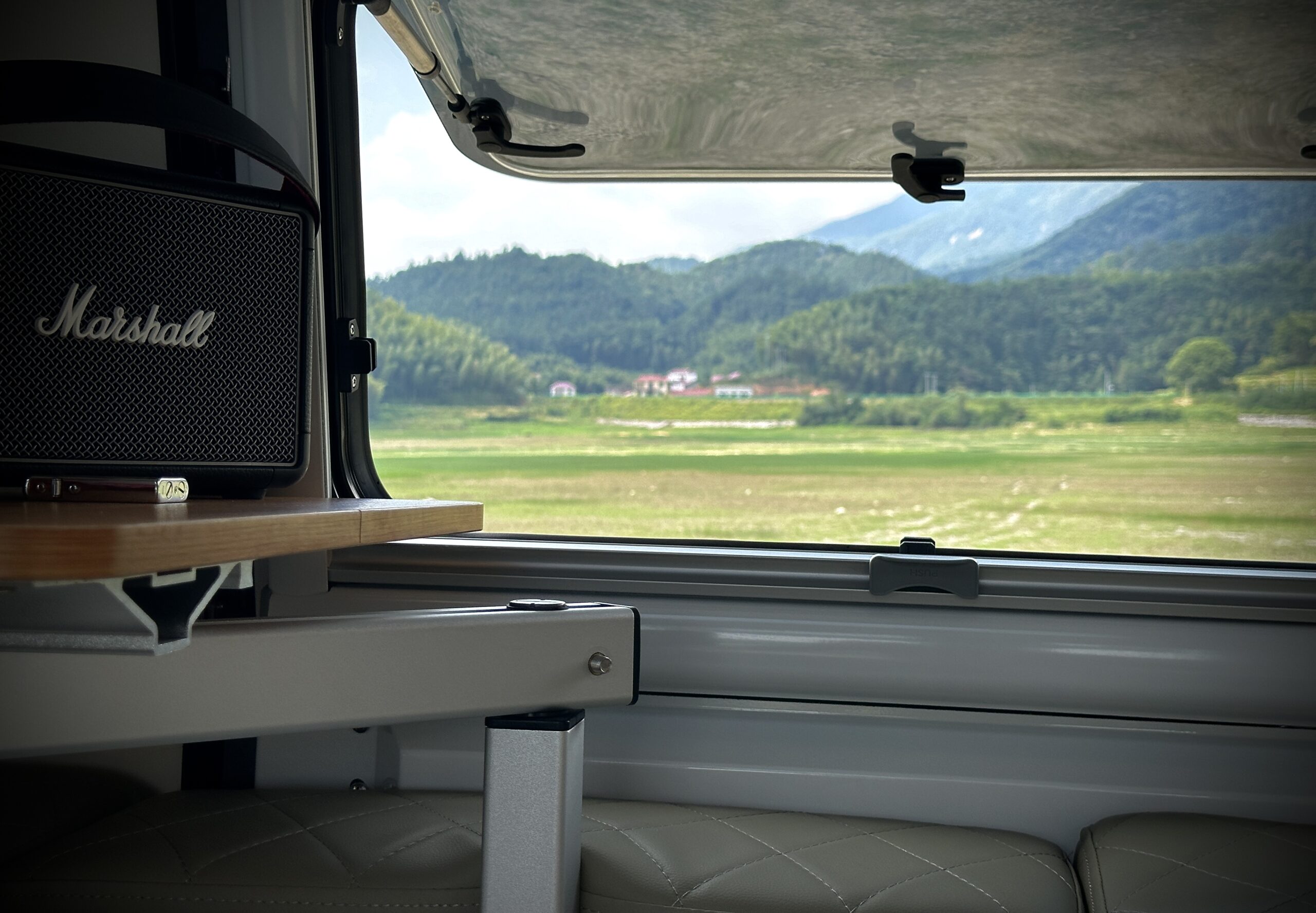
Truck campers have revolutionized the way outdoor enthusiasts, travelers, and adventurers experience the open road and wilderness. These versatile and compact living solutions mount directly in the bed of a pickup truck, offering a blend of mobility, convenience, and comfort unmatched by traditional RVs or tents. In this article, we delve into the comprehensive world of truck campers, exploring their history, types, design features, benefits, considerations for purchase, and tips for maintenance. Whether you are a seasoned traveler or a newcomer interested in mobile living, this detailed guide aims to equip you with the knowledge to make the most of truck camper ownership.
The Evolution of Truck Campers
Truck campers originated in the mid-20th century as a practical response for those seeking mobility combined with overnight accommodations. Early models were rudimentary, often DIY conversions designed for hunters, fishermen, and outdoor workers who needed shelter away from urban centers. Over decades, advances in manufacturing, design, and materials have transformed truck campers into sophisticated, fully equipped living spaces. Today’s models combine ruggedness with luxury, enabling long-range expeditions while maintaining creature comforts.
Types of Truck Campers
Several categories of truck campers have emerged to address varying needs and truck configurations. Selecting the right type often depends on the truck’s size, your travel style, and intended use.
- Pop-Up Truck Campers: These campers offer collapsible walls and roofs that expand once parked. This design provides a lightweight option that enhances fuel efficiency during travel. When folded, they minimize wind resistance, but when extended, they offer increased headroom and living space. Pop-ups suit those prioritizing compact storage and fuel savings.
- Hard-Side Truck Campers: Featuring rigid walls and roofs, hard-side campers provide superior insulation, security, and weather protection. They tend to be heavier but offer more robust amenities, such as full bathrooms and kitchens, making them ideal for year-round adventurers.
- Slide-In Truck Campers: Designed to slide into the truck bed and sometimes extend beyond the cab or tailgate, these offer varying sizes and configurations. Slide-ins are favored for their balance between space and truck load capacity.
- Teardrop Truck Campers: Compact and aerodynamic, these lean toward minimalist designs and primarily focus on sleeping accommodations with limited amenities. Ideal for solo travelers or couples who prioritize mobility and simplicity.
Key Features of Modern Truck Campers
The appeal of truck campers lies in their self-contained features which negate the need for external accommodations. Modern units are typically outfitted with:
- Sleeping Areas: Beds vary in size from compact twin to queen, often positioned over the cab or within slide-out compartments. Innovative designs optimize space with convertible furniture or multi-use spaces.
- Kitchen Facilities: Integrated kitchenettes include compact refrigerators, stovetops (often propane or electric), sinks with water pumps, and storage for utensils and food. These features support extended trips with full meal preparation.
- Bathroom Amenities: Depending on size and model, many campers include wet baths (a combined shower/toilet space), portable toilets, or cassette toilets, providing sanitation independence.
- Climate Control: Heating and cooling systems are essential for comfort in variable climates. Options include propane furnaces, diesel heaters, rooftop air conditioners, and advanced insulation technologies.
- Storage Solutions: Optimized storage compartments within walls, under beds, or via external compartments ensure efficient organization of gear and supplies.
- Utilities and Power: Electrical systems often incorporate solar panels, deep-cycle batteries, inverter systems, and hookups for external power sources. Water tanks and waste holding tanks further enhance off-grid capabilities.
Advantages of Truck Campers
The diverse benefits of truck campers cater to various lifestyles and preferences:
- Mobility and Accessibility: Mounted within a pickup truck bed, these campers allow access to remote or rugged terrains inaccessible to larger RVs. Their compact nature facilitates easier parking, maneuvering, and trail driving.
- Cost Efficiency: Compared to full-size motorhomes or touring trailers, truck campers usually require less upfront investment and lower maintenance costs. Fuel consumption is also typically reduced due to smaller size and weight.
- Versatility: Truck campers can be detached from the vehicle to allow the truck to be used independently. This separation enables errands, day trips, or off-base exploration without moving the living quarters.
- Customization: From manufacturer-built models to personalized conversions, truck campers allow owners to tailor interior layouts, materials, and amenities to suit their individual needs and tastes.
- Quick Set-Up: Unlike larger camper trailers or tents, truck campers can be set up or packed away in minutes, making spontaneous travel more feasible.
Choosing the Right Truck for Your Camper
The synergy between a pickup truck and camper is crucial for safety, performance, and longevity. Important factors to consider include:
- Payload Capacity: Ensure the truck’s payload rating can accommodate the camper’s weight, plus occupants and supplies, without compromising vehicle integrity or handling.
- Bed Size and Type: Campers come in sizes tailored for short, standard, or long truck beds. Correct matching avoids bed damage and ensures secure mounting.
- Engine and Drivetrain: A robust engine, preferably with diesel options for towing and fuel efficiency, complements off-road capabilities and powers electrical accessories. Four-wheel drive systems are beneficial for off-the-beaten-path adventures.
- Suspension and Tire Ratings: Reinforced suspensions and aftermarket upgrades may be necessary to support increased load and maintain ride quality.
Essential Considerations Before Purchase
Buying a truck camper involves several practical and personal factors:
- Intended Use: Consider the frequency, duration, and environment of travel. Seasonal use might prioritize insulation and heating, while short summer trips could focus on lightweight options.
- Budget: Set realistic expectations for purchase price, maintenance, and outfitting costs. Used models can be cost-effective but may require renovation.
- Weight and Dimensions: Verify that the combined truck and camper meet local road regulations and your comfort with truck handling.
- Features and Amenities: Prioritize must-have amenities such as kitchen facilities, bathroom, water capacity, and power needs.
- Warranty and Support: Reliable manufacturer warranties and accessible customer support impact long-term satisfaction.
- Resale Value: Consider brand reputations and camper condition for potential resale or trade-in.
Tips for Maintenance and Longevity
Proper upkeep extends the life and functionality of your truck camper:
- Regular Inspections: Routinely check seals, roof integrity, electrical systems, plumbing, and chassis connections for wear or damage.
- Cleaning: Keep both exterior and interior clean to prevent rust, mold, and material degradation. Use appropriate cleaners for fiberglass, metal, and upholstery.
- Winterization: Prepare plumbing and tanks for freezing weather to avoid damage.
- Battery Care: Monitor and maintain deep-cycle batteries and solar systems to ensure reliable power supply.
- Storage: When not in use, store the camper in a covered or sheltered area to protect from the elements.
- Professional Servicing: Engage manufacturer certified services for repairs or upgrades to maintain warranty and quality.
Customization and Upgrading Your Truck Camper
Enthusiasts often enhance campers via aftermarket modifications:
- Solar Power Installation: Adding solar panels improves off-grid energy independence.
- Advanced Insulation: Upgrading insulation materials increases comfort in extreme climates.
- Smart Technology: Integration of LED lighting, Wi-Fi boosters, and remote monitoring elevates convenience.
- Exterior Accessories: Adding awnings, roof racks, or storage boxes expands outdoor living and cargo capacity.
Truck Camping For Different Lifestyles
Truck campers cater to diverse user groups:
- Adventure Seekers: Those enthusiastic about hiking, mountain biking, fishing, and remote exploration benefit from the mobility and ruggedness.
- Snowbirds and Seasonal Travelers: Retirees and seasonal commuters appreciate the comfort and convenience for long trips.
- Professionals and Field Workers: Mobile accommodations near job sites improve productivity and reduce commute times.
- Families: Larger campers or multiple vehicles can support family travel, especially with added slide-outs and bunk areas.
Environmental Impact and Sustainability
With growing environmental consciousness, many manufacturers and owners prioritize eco-friendly practices. Solar energy, low-impact materials, efficient water usage, and careful route planning minimize ecological footprints. Furthermore, the smaller footprint of truck campers compared to larger RVs means less road wear and lower emissions, aligning well with sustainable travel values.
The Future of Truck Campers
Advancements continue to shape the future of truck campers. Innovations include lightweight composite materials, integrated renewable energy systems, smart home connectivity, and modular interior designs that adapt to user needs. Additionally, electric trucks and hybrid vehicles could redefine the compatibility and range of truck campers, fostering even greener and quieter exploration.
Conclusion
Truck campers offer a unique blend of freedom, comfort, and practicality for travel enthusiasts across the spectrum. Their versatility makes them suitable for a broad range of applications, from rugged adventures to relaxed road trips. Understanding the varied models, features, and considerations helps potential buyers select the perfect match for their journey. Proper maintenance and thoughtful upgrades ensure these compact homes on wheels remain reliable companions for years to come. Whether exploring national parks, remote trails, or urban escapes, truck campers provide an unmatched way to stay close to nature without sacrificing everyday comforts.