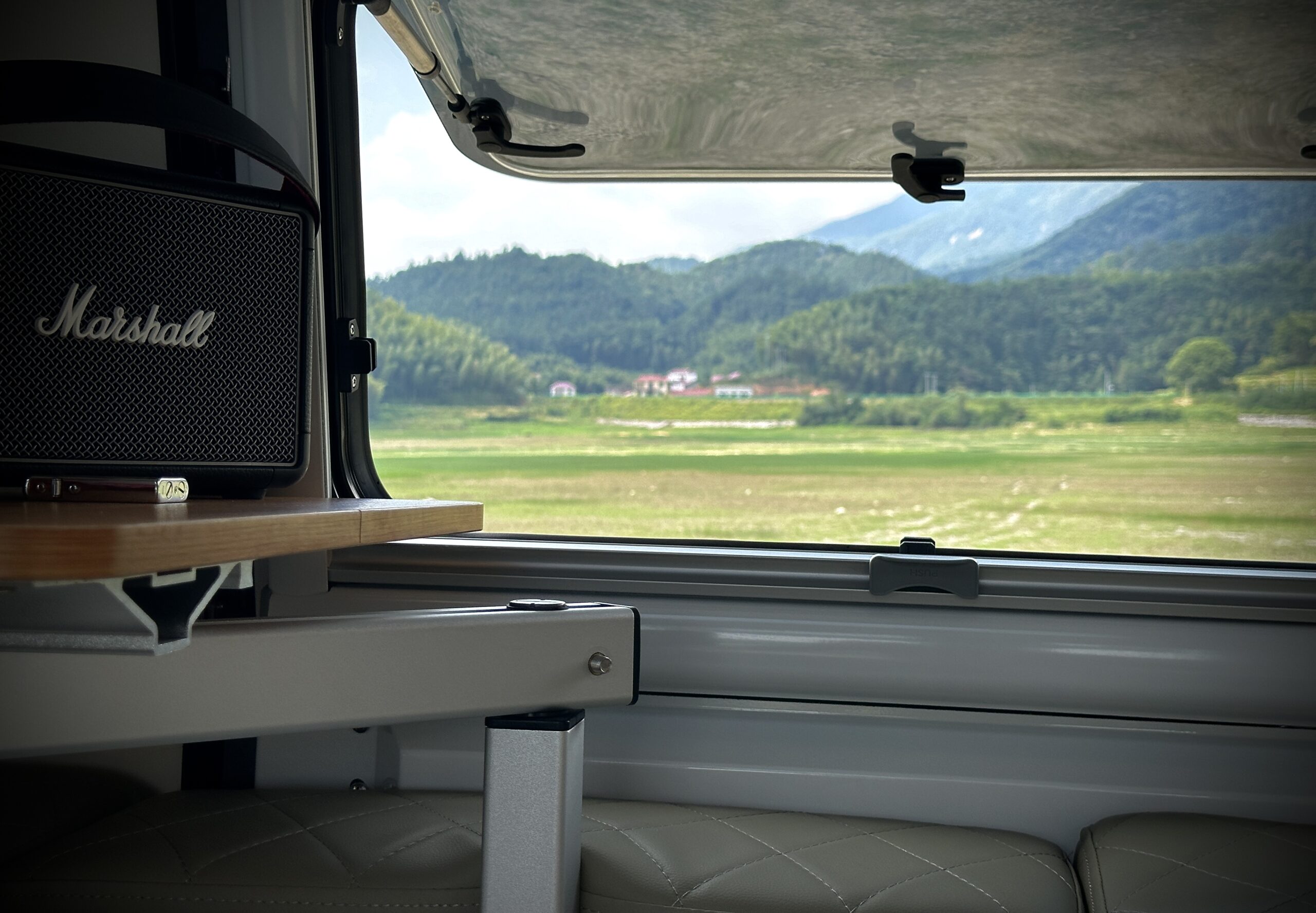
Truck campers represent a unique and versatile option for outdoor enthusiasts seeking independence, mobility, and the comforts of home on the road. These compact yet feature-rich units fit directly onto the bed of a pickup truck, transforming it into a mobile living space that’s ideal for camping, road trips, and off-grid adventures. As one of China’s leading manufacturers in the truck camper industry, our expertise lies in crafting high-quality, custom-built camper boxes that perfectly complement various pickup truck models, enabling travelers to explore with maximum functionality and style.
In this comprehensive guide, we will explore everything you need to know about truck campers — from their design features and benefits to the production processes and customization options available today. Whether you’re a first-time buyer or an experienced camper considering your next upgrade, this article will provide valuable insights into why a truck camper might be the best investment for your outdoor lifestyle.
What is a Truck Camper?
A truck camper is a self-contained living unit designed to be mounted onto the bed of a pickup truck. Unlike traditional RVs or travel trailers, truck campers are compact and directly attach to the truck, allowing the vehicle’s versatility to remain intact. This configuration offers several key advantages: improved maneuverability, the ability to access remote areas unreachable by larger RVs, and the convenience of a single vehicle that serves as both transportation and accommodation.
Typically, a truck camper includes sleeping quarters, a small kitchen area, dining space, storage compartments, and sometimes a bathroom facility. Their designs vary widely — from minimalist pop-up models that prioritize weight savings to luxurious units boasting modern amenities.
Advantages of Choosing a Truck Camper
Opting for a truck camper brings a host of benefits that appeal to various types of travelers, from weekend adventurers to full-time nomads. Key advantages include:
- Compact and Maneuverable: Since the camper fits on the truck bed, the overall vehicle size remains manageable and easier to drive in tight spots compared to larger RVs.
- Off-Road Capability: Many truck campers pair with 4×4 pickups, allowing access to rugged terrains, national parks, and backcountry campsites that other RVs cannot reach.
- Flexible Usage: When the camper is removed, the truck returns to its original functionality, enabling it to haul cargo, tow trailers, or serve as a daily driver.
- Cost-Effective: Generally more affordable than Class A or Class C motorhomes, truck campers provide an economical way to experience a home-on-wheels.
- Customizable: Manufacturers offer tailored designs to fit different truck models and user preferences, ensuring optimized space utilization and user comfort.
Design and Construction Features of Modern Truck Campers
Modern truck campers blend innovation, comfort, and durability. Utilizing advanced materials and manufacturing technologies, these campers are crafted to withstand varying weather conditions and challenging terrains. Key design elements include:
Lightweight yet Sturdy Materials
Manufacturers employ lightweight composites, aluminum frames, and insulated fiberglass panels to keep the camper’s weight manageable while ensuring structural integrity. This balance is critical because excessive weight can affect the truck’s handling, fuel efficiency, and payload capacity.
Ergonomic Interior Layouts
Despite compact footprints, truck camper interiors are intelligently designed to maximize usable space. Foldable furniture, multi-purpose areas, and modular kitchenettes make the limited space highly functional. Popular features include convertible dinettes, overhead sleeping lofts, and slide-out sections that expand living areas when parked.
Well-Equipped Kitchens
Modern campers typically come with essentials such as a two-burner stove, sink with running water, compact refrigerator, and storage for utensils and provisions. Some models equip microwave ovens and slide-out kitchens accessible from outside the camper.
Bathroom and Sanitation
Although bathrooms are not standard in every truck camper due to space constraints, many units incorporate compact wet baths with a showerhead and cassette toilets. Towable mobile restroom/shower trailers can also complement the camper for extended trips where more robust sanitation facilities are needed.
Climate Control and Insulation
Effective insulation materials and heating/cooling systems such as roof-mounted air conditioners, heaters, and vent fans ensure comfort regardless of the season. Some manufacturers integrate solar panels and energy-efficient LED lighting to enhance off-grid living capabilities.
Customization Capabilities for Truck Campers
One of the standout features of working with professional truck camper manufacturers, particularly those based in China known for versatile production facilities, is the level of customization available. Custom-built camper boxes allow owners to tailor their campers to fit their specific vehicle models and lifestyle requirements.
Customization options include:
- Vehicle-Specific Fit: Designing the camper dimensions and mounting systems to perfectly match the bed size and configuration of different pickup trucks, ensuring safety and stability.
- Interior Configurations: Adjusting sleeping arrangements, kitchen layouts, storage solutions, and bathroom facilities based on user needs and preferences.
- Exterior Features: Adding awnings, storage compartments, bike racks, roof racks, and custom paint or decals to enhance functionality and aesthetics.
- Electrical and Plumbing Systems: Tailoring battery banks, solar power setups, water tanks, and plumbing installations for optimized off-grid performance.
The Production Process of Truck Camper Boxes
Creating a durable, high-quality truck camper involves a meticulous production process managed by skilled engineers and craftsmen. The stages typically include:
1. Design and Engineering
Using CAD software, engineers draft detailed plans that consider aerodynamics, weight distribution, and user ergonomics. 3D modeling ensures that every element fits cohesively within the available space and aligns with vehicle compatibility.
2. Material Selection
High-grade materials are chosen based on their weight, strength, and resistance to elements. Insulated panels are cut and molded into the camper’s framework, ensuring thermal efficiency and structural soundness.
3. Fabrication
Advanced machinery and handcrafting techniques combine to form the camper’s walls, floor, and roof. Mounting brackets and tie-down points are integrated for secure attachment to the truck bed.
4. Interior Assembly
Installation of cabinetry, appliances, plumbing, and electrical components is done in climate-controlled environments to maintain quality. Each feature undergoes rigorous testing to guarantee functionality and safety.
5. Quality Control and Testing
Completed campers undergo inspections, leak tests, and stability assessments. Customer-specific adjustments or additional customizations are addressed prior to shipment.
Applications Beyond Recreational Use
While truck campers are popularly associated with outdoor recreation, their utility extends into commercial and specialized applications. Food trailers built on truck platforms can serve mobile food vending needs, complete with built-in kitchens and service counters. Towable mobile restroom and shower trailers offer sanitation solutions for events, construction sites, and remote locations.
These versatile units, whether camper boxes or specialized trailers, benefit greatly from customization, allowing businesses to efficiently meet operational requirements while leveraging the mobility of pickup trucks.
Tips for Selecting the Right Truck Camper
Choosing the ideal truck camper involves assessing your vehicle compatibility, budget, intended usage, and personal preferences. Consider the following factors:
- Truck Specifications: Know your truck’s payload capacity, bed size, and suspension limits to avoid overloading and ensure safe travel.
- Weight Considerations: Lighter campers enhance fuel efficiency and driving safety but may compromise some amenities.
- Comfort Needs: Determine which features are essential for your trips, such as bathrooms, kitchen appliances, or advanced climate controls.
- Off-Grid Capabilities: If you plan extended remote trips, prioritize solar power integration, water storage, and durable construction.
- Resale Value: High-quality construction and reputable manufacturers usually have better resale values.
Maintaining Your Truck Camper for Longevity
Proper maintenance prolongs the life and functionality of your truck camper. Best practices include:
- Regularly inspecting roof seals and seams for leaks and resealing as needed.
- Checking and servicing electrical systems, batteries, and appliances annually.
- Cleaning and treating plumbing to prevent clogs and bacterial growth.
- Protecting exterior surfaces from harmful UV exposure and corrosion with appropriate coatings.
- Storing the camper in covered or dry environments when not in use to minimize weather damage.
Conclusion
Truck campers offer an exceptional blend of mobility, convenience, and comfort that appeals to a wide spectrum of travelers and professionals. Their versatility makes them particularly attractive for those who value off-grid exploration without sacrificing home-like amenities. By partnering with experienced manufacturers offering custom-built solutions, such as those in China renowned for high standards and comprehensive production capabilities, users can ensure their camper box precisely meets their vehicle compatibility and lifestyle demands.
Whether you’re aiming for weekend getaways, cross-country adventures, or commercial applications such as mobile food services and sanitation trailers, truck campers and related units provide scalable and customizable options. Careful selection, proper maintenance, and understanding of design features will ensure you maximize the value and enjoyment of your investment in this dynamic portable living solution.