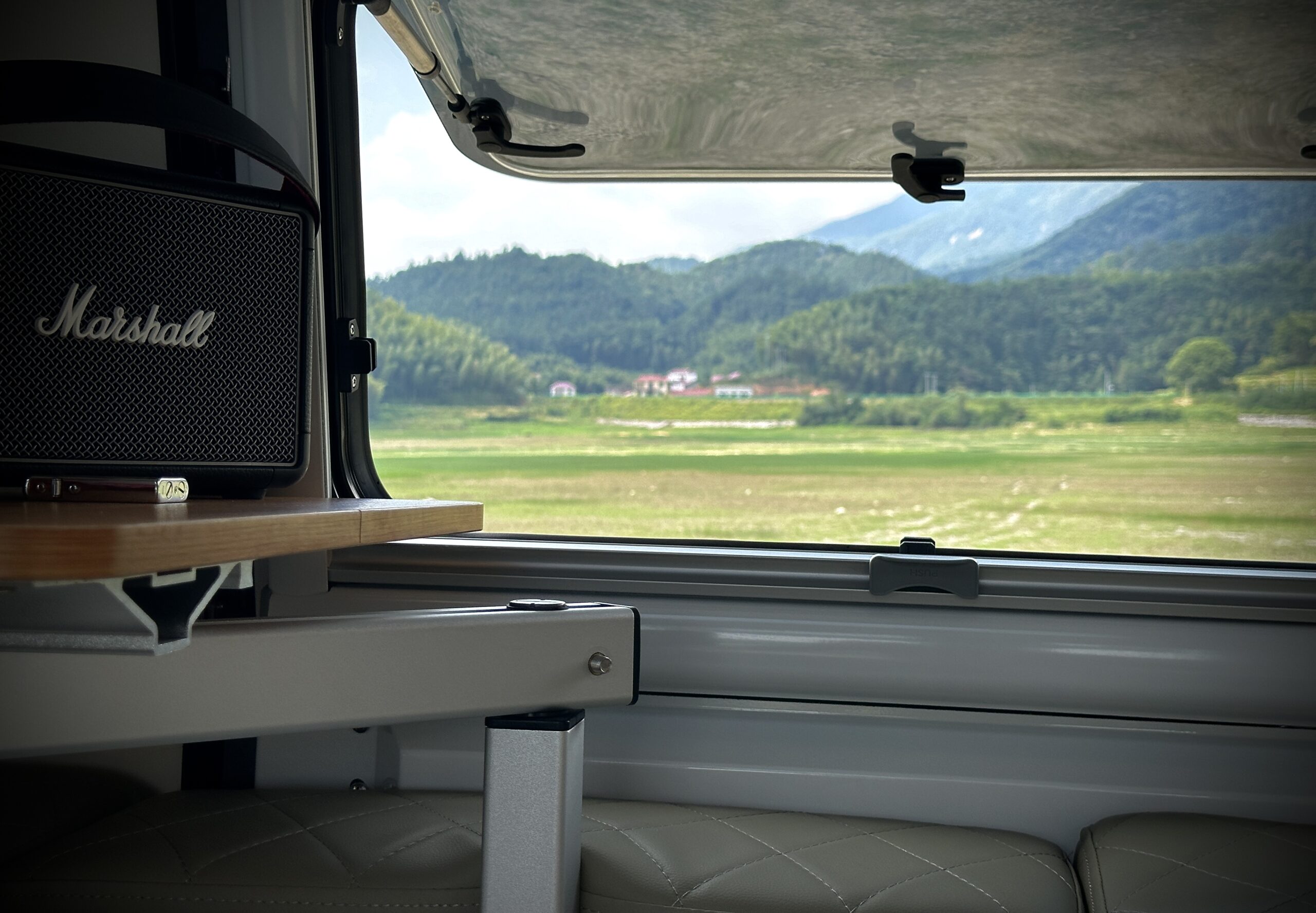
Truck campers have become increasingly popular among outdoor enthusiasts who seek the perfect blend of mobility, comfort, and convenience. As a vehicle-mounted living space, truck campers offer a versatile solution for those wanting to explore remote landscapes without sacrificing the comforts of home. This article delves deep into the world of truck campers, exploring their design, benefits, types, customization options, and practical tips for selecting the right one for your adventures.
Understanding Truck Campers
A truck camper is a self-contained unit that fits onto the bed of a pickup truck, converting it into a mobile living quarters. Unlike traditional RVs or motorhomes, truck campers allow drivers to retain the maneuverability and off-road capability of their pickup trucks. This feature is especially advantageous for adventurers who frequent rugged terrains or need easy access to secluded camping spots.
Typically, these campers come equipped with sleeping quarters, kitchenettes, bathrooms, and storage space, making them functional alternatives to larger RVs. Since truck campers are detachable, the vehicle remains usable for daily driving or heavy-duty tasks when the camper unit is not attached.
Advantages of Truck Campers
One of the chief benefits of truck campers is their portability. Being mounted on a truck bed enables quick transitions between travel, work, and recreation without the cumbersome size of larger RVs. Additionally, because of their compact size, truck campers can access locations that might be off-limits to lengthy trailers or motorhomes.
Cost efficiency also plays a significant role in choosing truck campers. Generally, they have lower acquisition and maintenance costs compared to motorhomes, alleviating budget constraints for many travelers. The fuel efficiency of the base pickup truck is another benefit since towing heavy trailers or driving large motorhomes typically results in higher fuel consumption.
Furthermore, truck campers often require less parking space, allowing users to camp in more versatile locations, from forest trails to urban spots. Their modular nature enables removal whenever the truck requires standard use, hence not limiting the owner exclusively to camper use.
Types of Truck Campers
Truck campers come in various models tailored for different needs, truck sizes, and budget levels. Understanding these classifications can help prospective buyers select a truck camper that matches their lifestyle.
1. Pop-Up Truck Campers: These campers feature expandable sections that can be folded down when not in use, minimizing size and improving driving aerodynamics. When parked, the pop-up sections extend to provide increased living space while maintaining low weight and compactness. These are ideal for those who prioritize fuel efficiency and easier storage.
2. Hard-Side Truck Campers: These campers have solid, insulated walls offering better weather protection and security. Hard-side campers often come with more substantial amenities such as built-in bathrooms, full kitchens, and heating systems, making them a perfect choice for longer trips or harsher climates.
3. Slide-In Campers: These versatile units slide into the truck bed and are secured using tie-downs and turnbuckles. They provide a robust, weatherproof option with comfortable interiors. Many slide-in campers are also designed to fit specific truck models perfectly to optimize space and functionality.
4. Expandable Truck Campers: Similar to pop-ups but with more manual or automatic expansion features, these campers increase interior space without significantly compromising on weight or transportability. The expandable design often includes extra sleeping areas or improved storage solutions.
Selecting the Right Truck Camper
Choosing the perfect truck camper requires evaluating multiple factors to ensure the unit suits your travel style and vehicle capacity:
1. Truck Compatibility: One of the primary considerations is the compatibility of the camper with your truck. Ensure you match the camper size and weight with your truck’s payload capacity. Overloading can compromise safety, handling, suspension, and fuel efficiency. Whether you use a compact, mid-size, or heavy-duty pickup, there’s a truck camper designed for it.
2. Size and Weight: Larger campers provide more amenities and comfort but also add weight and bulk. Smaller campers, while convenient, might lack some use conveniences. It is essential to balance between the living space you need and the practicality of the truck’s carrying ability.
3. Amenities and Features: Depending on the type of camping and travel, you may prefer basic amenities or fully equipped features such as refrigerators, microwaves, ovens, showers, toilets, air conditioning, and heating units. Choosing the right combination depends on your trip durations and destinations.
4. Budget: The price of truck campers can vary significantly. It is crucial to set a realistic budget, including not only the initial purchase but also the installation, maintenance, and potential customizations.
5. Usage Preferences: If most trips are short and local, a simple camper might suffice. For long-term or off-grid camping, investing in more advanced models with renewable energy sources like solar panels, water filtration, and advanced insulation is advisable.
Customization and Upgrades
Mainstream truck campers often serve as starting points that owners customize to enhance comfort and personalize their travel experience. Below are some popular customization options:
1. Solar Power Installation: Adding solar panels lets travelers maintain power off-grid, running essential appliances and charging devices without relying on generators or external hookups.
2. Enhanced Insulation: Climate-varied adventures benefit from improved insulation materials that keep the camper warm in winter and cool in summer.
3. Upgraded Interiors: Upgrades in furniture, cabinetry, and flooring materials enhance aesthetics and functionality, making the camper feel more like a home away from home.
4. Water Systems: Installing improved water tanks, filtration systems, and outdoor shower setups offer greater independence when camping in remote locations.
5. Off-Road Modifications: For those venturing into challenging terrains, reinforcing suspension, adding tire upgrades, and installing protective skid plates under the camper help improve durability and vehicle longevity.
Tips for Maintenance and Care
Proper care is vital for ensuring a truck camper’s longevity and performance. Regular inspections and maintenance tasks include:
– Checking seals and weather stripping to prevent leaks and drafts.
– Regular cleaning of interior and exterior surfaces to avoid mold and corrosion.
– Inspecting propane and electrical systems for safety and functionality.
– Maintaining tires, brake systems, and suspension systems to handle the added weight properly.
– Safely securing the camper to the truck when mounted and storing it in a dry, protective location when not in use.
Leading Manufacturers and Market Trends
The truck camper industry has responded to growing demand with innovative designs and diverse product lines. Leading manufacturers offer well-equipped production facilities capable of producing a wide range of pickup camper boxes specially customized for various pickup models. Alongside standard models, many companies now incorporate eco-friendly materials, smart home technology, and compact yet luxurious living solutions to meet customers’ evolving preferences.
Additionally, the market has seen a rise in food trailers and towable mobile restroom/shower trailers that complement truck campers, enhancing the overall outdoor living experience especially for group outings or commercial ventures.
Conclusion
Truck campers represent a harmonious blend of adventure and comfort, combining the rugged capability of pickup trucks with the convenience of mobile living quarters. Whether for weekend getaways, extended wilderness exploration, or full-time travel, these campers offer unmatched flexibility and freedom. By carefully considering truck compatibility, size, amenities, and personal preferences, enthusiasts can select and customize the perfect truck camper to fit their lifestyles and adventures. Proper maintenance and thoughtful upgrades further enhance the enjoyment and longevity of these compact but efficient homes on wheels.
As outdoor travel continues to evolve, truck campers stand at the forefront, driving innovative solutions and tailored experiences that allow adventurers to explore more, discover deeper, and travel comfortably no matter where the road – or the trail – may lead.