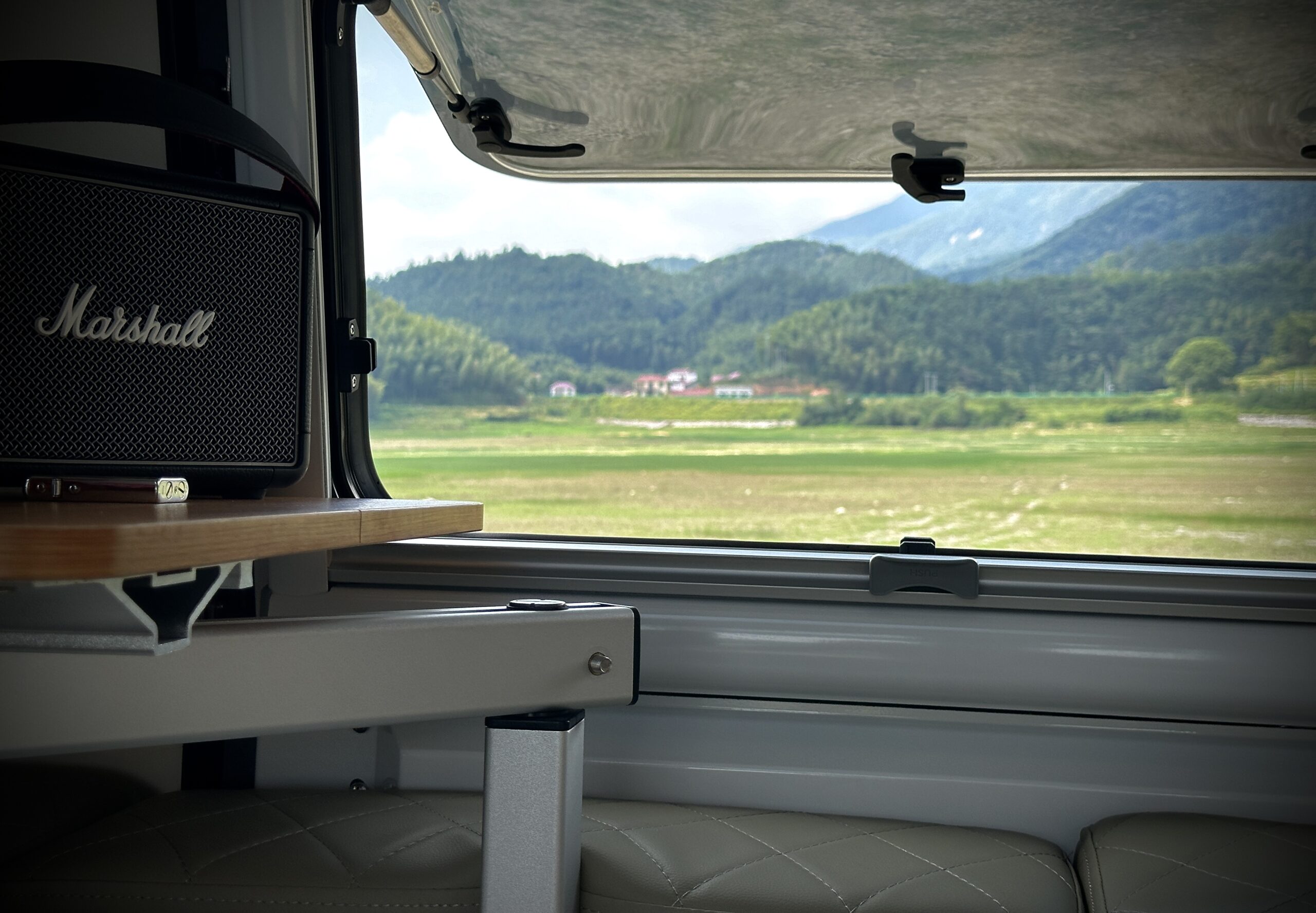
Truck campers have revolutionized the way adventure seekers, outdoor enthusiasts, and nomads experience travel and living on the road. Offering a unique blend of mobility, comfort, and versatility, these compact, self-contained living units attach directly to pickup trucks, enabling users to traverse rugged terrains and remote locations without sacrificing the conveniences of home. This article delves deeply into the world of truck campers, exploring their history, design, advantages, customization options, and practical considerations to help you make an informed decision when considering this adventurous lifestyle.
History and Evolution of Truck Campers
The concept of mobile living units began over a century ago with rudimentary trailer designs. However, truck campers as we know them started gaining popularity in the 1950s and 1960s, coinciding with the growth of pickup trucks and the American love for outdoors. Early models were simple, often handmade, and focused primarily on providing shelter rather than comfort. Over the decades, advancements in materials, engineering, and user feedback have transformed truck campers into high-tech, ergonomically designed homes on wheels.
Modern truck campers incorporate lightweight composite materials, energy-efficient appliances, and smart space management techniques that maximize functionality within limited square footage. They also have embraced sustainability with solar power systems and eco-friendly waste management, appealing to environmentally conscious travelers.
Design and Structure of Truck Campers
At the core of a truck camper’s appeal is its design versatility. These units are mounted directly onto the bed of a pickup truck, making them compact yet functional. The primary structural components include insulation panels, a durable frame, and weather-resistant exterior materials like fiberglass or aluminum. Inside, the layout typically includes sleeping quarters, a kitchenette, a small dining or lounging area, and sometimes a compact bathroom with a shower and toilet.
Some notable design styles include pop-up campers with expandable roof sections that increase headroom when parked, and hard-wall campers designed for more extreme weather conditions. Advances in slide-out sections and modular components have increased livable space without compromising mobility.
Advantages of Truck Campers
One of the most compelling advantages of truck campers is their unmatched mobility and accessibility. Unlike larger RVs or trailers, pickups with campers can navigate narrow trails, rugged mountain roads, and crowded urban environments with ease. This makes them ideal for off-road expeditions, weekend getaways, and extended cross-country tours.
Cost efficiency is another benefit. Generally, truck campers are more affordable than traditional motorhomes or fifth wheels, especially when considering fuel savings due to their lighter weight and more aerodynamic profile. They also offer the convenience of detaching the camper, allowing the pickup truck to be used independently for everyday tasks.
The compact design encourages minimalist living and greater appreciation of outdoor surroundings. Users enjoy the balance between comfort and adventure, having everything needed for sustenance, rest, and relaxation within arm’s reach.
Customization and Fit Options
Truck campers can be bespoke-built or purchased as standard models, but customization is a significant draw for many buyers. As pickups vary in bed length, width, and payload capacity, manufacturers and custom builders tailor camper boxes to perfectly fit specific vehicle models. This ensures maximum safety, stability, and performance on the road.
Customization options include choosing the interior layout, materials, appliances, and additional features such as solar panels, awnings, bike racks, and off-grid water systems. Some manufacturers provide modular designs that can be expanded or reduced depending on the user’s needs, offering remarkable flexibility.
In China, leading truck camper manufacturers have embraced customization extensively, producing camper boxes that adapt to the popular pickup models in the region. This local expertise ensures high compatibility and service availability, optimizing the ownership experience.
Practical Considerations When Choosing a Truck Camper
Selecting a truck camper involves careful assessment of your vehicle, travel plans, and lifestyle preferences. Key factors include the payload and gross vehicle weight rating (GVWR) of your pickup truck, which determine the maximum camper weight your vehicle can safely carry. Exceeding these limits risks compromising handling, braking, and overall safety.
Consideration of climate and terrain is crucial. If you plan to camp in cold or wet environments, you’ll need a camper with robust insulation, heating systems, and weatherproof seals. For arid or remote areas, solar power and larger water capacity become priorities.
Space utilization is another factor; because truck campers have limited interior square footage, efficient storage solutions and multi-functional furniture are necessary to optimize livability. Assess how many people will typically occupy the camper, and what amenities are must-haves versus nice-to-haves.
Maintenance and Durability
Maintaining a truck camper involves routine cleaning, inspecting seals and joints for leaks, and servicing appliances. Given their exposure to various weather conditions and road debris, campers often require periodic resealing and exterior touch-ups to prevent water ingress and rust. Electrical and plumbing systems need regular checks to ensure reliability during trips.
Choosing quality materials and reputable manufacturers reduces long-term maintenance costs and enhances durability. Some campers come with extended warranties or service plans that provide peace of mind for first-time users.
Living and Traveling With a Truck Camper
Life in a truck camper demands adaptability and creative use of space. Many adopters enjoy the minimalist approach, shedding excess belongings and focusing on essentials. This lifestyle fosters deeper engagement with nature, social interactions at campgrounds, and a slower, more mindful travel pace.
Navigation and parking require some practice, as trucks with mounted campers have a higher center of gravity and altered aerodynamics. However, once accustomed, most owners find this setup manageable and often more convenient than towing a trailer.
Connectivity options such as mobile Wi-Fi routers, satellite communications, and solar-powered charging stations help maintain work and social connections while on the go, important for digital nomads and remote workers.
Environmental Impact and Sustainability
Environmentally conscious travelers appreciate that truck campers generally consume less fuel than larger RVs due to their lighter weight and streamlined shape. Integration of solar panels and energy-efficient appliances further decreases reliance on fossil fuels and external power sources.
Water-saving fixtures and composting toilets minimize waste, making extended off-grid camping more sustainable. Some manufacturers are pioneering the use of recycled and renewable materials in camper construction to reduce ecological footprint.
Buying and Selling Truck Campers
When purchasing a truck camper, it is crucial to research vendors, inspect models personally if possible, and understand warranty and service terms. Online forums and user reviews provide invaluable firsthand experiences and advice. New campers can be bought from dealerships specializing in pickup campers, while the used market offers options at various price points.
Resale value depends on brand reputation, camper condition, included features, and market demand. Maintaining good records of services and upgrades supports stronger resale prices.
Future Trends in Truck Camper Design
The truck camper market continues to evolve with the integration of smart technology, enhanced safety features, and greater eco-friendly solutions. Emerging trends include AI-enabled systems for energy management, automated leveling, and real-time vehicle diagnostics. Materials science advancements promise lighter yet sturdier camper bodies, improving fuel economy and durability.
Manufacturers increasingly collaborate with pickup truck brands to offer factory or dealer-installed camper options that perfectly blend with vehicle design, boosting performance and aesthetics.
Conclusion
Truck campers offer a compelling alternative to traditional RVs and trailers by combining mobility, comfort, and adventurous spirit in a compact package. Whether you are a weekend warrior, a full-time nomad, or someone seeking a versatile mobile basecamp, these innovative camper units provide the freedom to explore off-the-beaten-path destinations without sacrificing convenience.
With a wide array of options for customization, advanced features, and sustainable living, investing in a truck camper can transform your travel experiences and enable a lifestyle filled with discovery and connection to the natural world. Comprehensive understanding of your vehicle’s capabilities, intended usage, and personal needs will ensure an optimal match between your pickup and camper, setting you up for countless memorable journeys ahead.