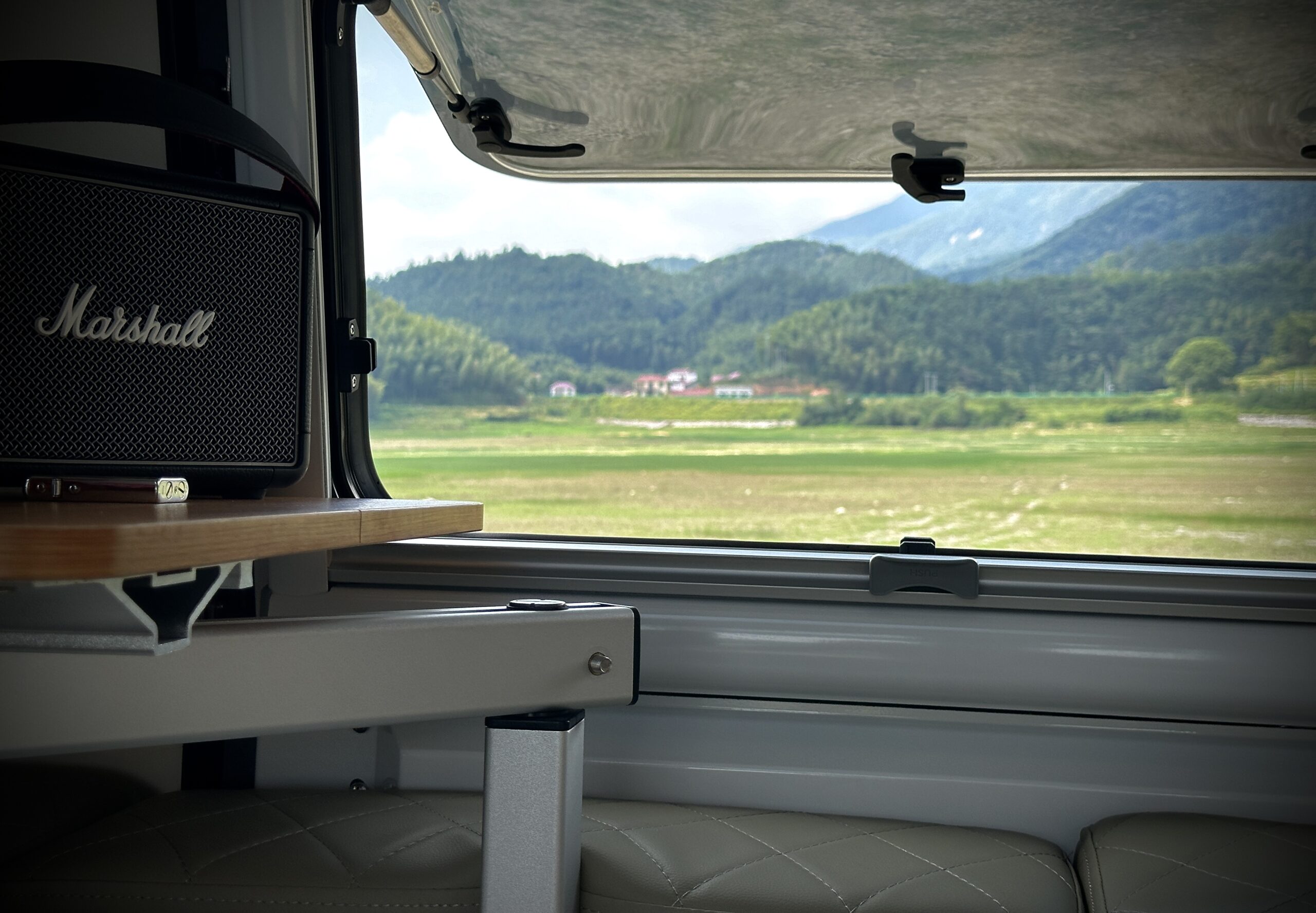
Truck campers have become increasingly popular among outdoor enthusiasts and travelers who seek the perfect blend of mobility, comfort, and convenience on their adventures. Unlike traditional RVs or trailers, truck campers are designed to be mounted directly onto the bed of a pickup truck, providing unmatched versatility and ease of maneuverability. Whether you’re planning a weekend getaway or an extended road trip, a truck camper offers a compact yet functional solution to carry your living essentials right where you need them.
Understanding Truck Campers
A truck camper is a type of recreational vehicle (RV) built to be loaded onto the chassis of a pickup truck. These campers vary in size, layout, and amenities but generally consist of sleeping quarters, a small kitchen, some storage, and occasionally a bathroom. The camper fits snugly onto the truck bed, secured with heavy-duty tie-downs or special mounts, allowing the pickup to operate both as a vehicle and a mobile home.
Because the camper is integrated with the truck, it provides excellent off-road capabilities and access to locations that larger motorhomes or trailer setups can’t reach. This makes truck campers ideal for fishing trips, hunting excursions, mountain biking adventures, and any rugged outdoor pursuit where versatility is key.
Types of Truck Campers
Truck campers come in various styles and configurations to suit different preferences and truck sizes. Below are the primary types:
- Pop-up Truck Campers: These campers feature collapsible sides or roofs that fold down for driving and expand when stationary. Pop-up models are lightweight and offer better aerodynamics, but they usually have less insulation and fewer amenities.
- Hard-side Truck Campers: These campers have rigid or fiberglass walls, providing greater durability, insulation, and security. Hard-side campers typically include full kitchens, bathrooms, and more comprehensive living areas.
- Slide-out Truck Campers: For extra space, some hard-side campers incorporate slide-outs that expand living or sleeping areas when parked. This feature enhances comfort but adds weight and complexity.
- Camper Shells or Canopies: The simplest form of truck camping involves lightweight camper shells that act as a weatherproof sleeping shelter without additional living amenities.
Choosing the Right Truck Camper
Selecting a truck camper requires balancing size, weight, features, and compatibility with your pickup truck. Here are key factors to consider:
Truck Size and Payload Capacity
The most critical consideration is ensuring the camper fits your truck’s bed size and payload capacity. Overloading your truck bed can lead to unsafe driving conditions, excessive wear, and poor performance. Always check your pickup’s Gross Vehicle Weight Rating (GVWR) and payload rating before buying a camper. For example, a half-ton truck may handle a smaller pop-up camper but struggle with a heavy hard-side unit.
Weight Distribution and Handling
The added weight on your truck bed affects handling, braking, and fuel economy. Properly balancing the load and distributing weight evenly can mitigate adverse impacts. Many manufacturers recommend adding suspension enhancements or aftermarket accessories like airbags to improve ride quality.
Features and Comfort
Consider what features are most important for your trips: a bathroom with a shower, cooking facilities, refrigerator, heating, air conditioning, or solar power. Some campers come fully equipped, while others are basic and geared for minimalists. More amenities usually mean more weight and cost.
Budget Considerations
Truck campers can range from a few thousand dollars for simple pop-up models to over $100,000 for luxury units. Decide whether you want to buy new, used, or even build a custom camper box. Factor in ongoing costs like maintenance, insurance, and any truck upgrades.
Popular Features in Modern Truck Campers
As camper designs continue to evolve, manufacturers integrate new technologies and conveniences to improve the outdoor experience. Here are some popular modern features:
- Solar Power Systems: Many campers incorporate solar panels for off-grid electricity generation, powering lights, appliances, and charging devices.
- LED Lighting: Energy-efficient LED lights that last longer and consume less power.
- Wet Bathrooms: Combined shower and toilet spaces that optimize limited space while adding convenience.
- Climate Control: Integrated heaters and AC units to keep occupants comfortable in various weather conditions.
- Swiveling Driver Seats: For creating additional living space by turning truck seats towards the camper interior.
- Multipurpose Furniture: Foldable tables, convertible beds, and hidden storage that maximize functionality.
Advantages of Truck Campers
Truck campers offer numerous benefits that make them a favorite choice for many outdoor adventurers:
- Mobility and Versatility: Easier to drive than large RVs and capable of navigating tight trails and rugged terrain.
- Compact Footprint: Takes up less space in campsites, storage, and on the road.
- Quick Setup: Unlike trailers, truck campers require minimal setup time — just park and you’re ready to enjoy your stay.
- Flexibility: You can detach the camper when not in use and use the truck separately for everyday tasks.
- Cost Effectiveness: Generally less expensive than full-sized motorhomes with similar amenities.
Potential Drawbacks
Though highly functional, truck campers do have limitations to keep in mind:
- Living Space: Compact interiors limit long-term comfort, especially for families or larger groups.
- Weight Constraints: Payload limits restrict the size and amenities of the camper.
- Access: Entering and exiting the camper can be cumbersome, as it usually requires climbing into the truck bed.
- Drive Height: Adding a camper often raises the overall vehicle height, affecting clearance under bridges or through low tunnels.
Custom-Built Camper Boxes
Besides standard factory models, custom-built pickup camper boxes are gaining traction. These custom units are tailored to fit specific truck models, ensuring perfect compatibility and optimal use of space. A reputable manufacturer can incorporate your desired features, enhancing your travel lifestyle.
Custom camper boxes often include specific storage compartments, ergonomic interiors, reinforced materials for durability, and personalized aesthetics. Additionally, integrating elements like food trailers or towable restroom/shower trailers can create a comprehensive mobile living setup for commercial or recreational use.
Maintenance and Care of Truck Campers
Proper maintenance is vital to ensure the longevity and safety of your truck camper. Key maintenance tips include:
- Regularly inspect seals and caulking to prevent water leaks.
- Maintain electrical and plumbing systems to avoid failures during trips.
- Check mounting brackets and tie-downs before every journey to secure the camper properly.
- Clean the exterior frequently and apply appropriate protective coatings to combat weather damage.
- Keep tires inflated and in good condition if the camper includes its own wheels.
Popular Brands and Market Trends
The market for truck campers is robust, with many reputable brands producing a variety of styles and price points. Popular manufacturers include Lance, Northern Lite, Hallmark, and Four Wheel Campers. These brands focus on quality construction, innovation, and user-friendly designs.
Market trends point toward a growing interest in eco-friendly and off-grid capabilities. Solar power, lightweight materials, and modular designs are becoming standard, appealing to a new generation of environmentally conscious travelers. Additionally, the advent of high-tech smart RV features like wireless control systems and app integrations is enhancing user convenience.
Planning Your Truck Camper Trip
Once you own a truck camper, planning your trips becomes an exciting part of the adventure. Here are a few practical tips:
- Route Planning: Consider vehicle height limitations, unpaved roads, and available campsites suitable for truck campers.
- Pack Smart: Space is limited, so prioritize essentials and use space-efficient packing methods.
- Safety First: Carry appropriate tools, fire extinguishers, first aid kits, and communicate your route to someone trustworthy.
- Local Regulations: Verify camping permits, off-road restrictions, and parking rules in your destination areas.
Conclusion
Truck campers provide a compelling solution for adventurers who want the freedom to explore without giving up the comforts of home. Their compact size, mobility, and customization options make them a versatile option in the realm of recreational vehicles. Whether you opt for a pop-up model or a fully equipped hard-side camper, understanding your truck’s capabilities and your travel needs will ensure that your camper becomes a trusted companion on countless journeys.
For those considering custom solutions, working with manufacturers that specialize in pickup camper boxes and complementary mobile trailers can further enhance your outdoor lifestyle. With proper planning, maintenance, and selection, a truck camper can unlock endless possibilities for exploration and enjoyment in nature’s most beautiful settings.