Discover the Freedom of Truck Campers A Comprehensive Guide to Mobile Adventure
In recent years, truck campers have surged in popularity as a versatile and convenient way to explore the outdoors. Whether you are an avid traveler, an outdoor enthusiast, or someone seeking weekend getaways with a touch of adventure, a truck camper offers the perfect blend of mobility, comfort, and practicality. This article dives deep into what truck campers are, their benefits, how to choose the right one, and tips for maximizing your experience on the road.
What Is a Truck Camper
A truck camper is a type of recreational vehicle (RV) designed to fit onto the bed of a pickup truck. Unlike traditional RVs, which are often large and cumbersome, a truck camper transforms your pickup truck into a compact, self-contained living space. Its design allows you to enjoy the comforts of a camper—such as sleeping quarters, kitchen facilities, and bathroom amenities—while retaining the maneuverability and convenience of a pickup truck.
The key to a truck camper’s appeal lies in its flexibility. Since it sits on the truck bed, it can be easily removed when not needed, enabling you to use your truck for everyday tasks. This modular approach offers significant advantages over towable campers or motorhomes, especially for those who want to alternate between daily driving and recreational use.
Types of Truck Campers
Truck campers come in various shapes and sizes, designed to meet different needs and preferences. Here are some common types:
- Pop-Up Truck Campers: These campers feature collapsible roofs that reduce wind resistance while driving and lower the profile for better fuel efficiency and safer clearance on low bridges. When parked, the roof pops up to provide ample headroom.
- Hard-Side Truck Campers: With solid walls and roof, these campers offer better insulation and durability. They typically include more amenities and better protection from the elements, making them suitable for year-round use.
- Slide-In Campers: These are designed to slide into the truck bed, often with extension panels that increase interior space when stationary.
- Expandable Truck Campers: Combining features of hard-side and pop-up campers, expandable campers have sections or rooms that expand outward to increase interior living space.
Advantages of Owning a Truck Camper
Owning a truck camper brings numerous advantages that cater to a wide variety of lifestyles and travel preferences:
Mobility and Access
Truck campers excel in off-road capabilities due to their integration with pickup trucks. This makes them ideal for reaching remote campsites, national parks, and rugged terrains where larger RVs might struggle or be prohibited. Their compact size also makes parking and maneuvering in tight urban environments easier than traditional campers or RVs.
Cost Efficiency
Compared to motorhomes or towable travel trailers, truck campers often cost less upfront and incur lower ongoing expenses. Maintenance and storage are simpler and cheaper—there’s no need for a secondary towing vehicle or large storage space when the camper is detached. Additionally, fuel efficiency is generally higher because you only drive the pickup when the camper is removed.
Versatility
The modular aspect allows you to detach the camper for regular truck usage. This is a significant advantage for people who want a camper for occasional trips without dedicating a vehicle full-time as an RV. They can seamlessly switch between daily work or errands and weekend adventures with ease.
Comfort and Amenities
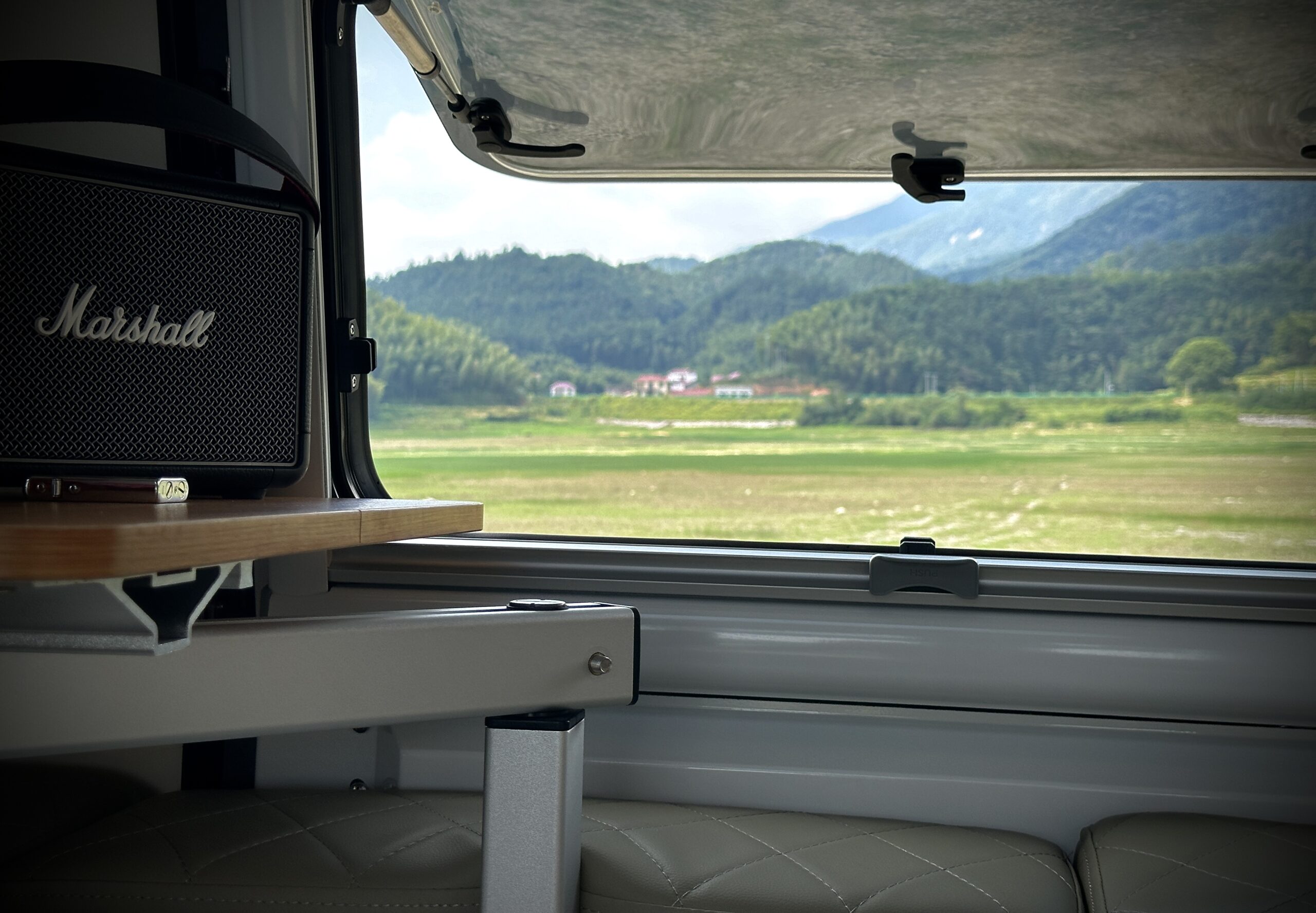
Modern truck campers provide a surprising range of comforts including beds, kitchens, water storage, showers, and even toilets. These amenities allow for extended travel without sacrificing convenience. Many campers are equipped with solar panels, awnings, and climate control for optimal experience, regardless of weather conditions.
How to Choose the Right Truck Camper
Selecting the right truck camper is essential to ensure it fits your truck, lifestyle, and travel plans. Consider these critical factors below:
Match with Your Truck’s Capacity
The gross vehicle weight rating (GVWR) and payload capacity of your pickup truck determine the maximum weight it can safely carry. Consult your truck’s manual or manufacturer updates and ensure the camper’s weight falls within these limits to maintain safety and performance.
Size and Layout
Size impacts both interior comfort and driveability. Larger campers offer more living space but may reduce maneuverability and increase fuel consumption. Layout is equally important—consider sleeping arrangements, kitchen setup, storage facilities, and bathroom presence to match your needs.
Off-Road Capability
If you plan on exploring rugged or undeveloped areas, prioritize campers built for durability and off-road travel. Look for reinforced chassis, robust suspension, and all-weather insulation. Some campers include off-road tires or attachments tailored for rough terrain.
Amenities and Features
Decide which amenities are must-haves versus nice-to-haves. Common features include freshwater tanks, propane devices, refrigerators, microwave ovens, solar panels, heating, air conditioning, and entertainment systems. Budget accordingly while balancing weight constraints.
Budget Constraints
Truck campers vary widely in price from economical pop-ups to luxury hard-side models with high-end furnishings. Set a budget that balances initial investment with long-term value and maintenance costs.
Customizing Your Truck Camper
Many manufacturers, including leading Chinese firms specializing in pickup camper boxes, offer customization options tailored to individual vehicles and preferences. Custom builds allow you to optimize space usage, upgrade materials, and customize features. Consider the following customizations:
- Vehicle-Specific Fit: Ensuring the camper is designed to fit your truck make and model for seamless mounting and safety.
- Interior Layout: Customized floor plans for sleeping, cooking, storage, and workspaces.
- Solar Power and Energy: Integration of renewable energy sources for off-grid use and eco-friendly travel.
- Exterior Features: Addition of awnings, roof racks, bike mounts, and off-road accessories.
- Technology: Incorporation of smart controls for lighting, heating, and security systems.
Essential Tips for First-Time Truck Camper Users
To help you get started and enjoy your truck camper experience to the fullest, here are some essential practical tips:
Practice Driving with the Camper Attached
Truck campers change the driving dynamics of your vehicle. Take time to get acquainted with height clearance and weight distribution. Pay special attention when parking or reversing.
Pack Smart
Space inside a truck camper is limited. Organize your gear efficiently, prioritize multi-use tools, and secure loose items to avoid damage during travel.
Plan Campsite Access
Many campsites have specific height and size restrictions. Verify your camper’s dimensions and check accessibility in advance, especially when venturing off the beaten path.
Manage Utilities Wisely
Monitor water, propane, and battery levels frequently. Learn how to operate your camper’s systems and troubleshoot common issues such as freezing pipes in cold climates or solar panel maintenance.
Respect Local Regulations
Different regions may have rules regarding overnight parking, waste disposal, and vehicular camping. Research regulations ahead of time to ensure compliance and preserve the natural environment.
Maintenance and Upkeep
Maintaining your truck camper ensures long-term reliability and safety. Periodic inspections should cover:
- Seals and weatherproofing to prevent leaks
- Electrical systems including wiring and batteries
- Propane appliances and gas lines
- Structural integrity of the mounting brackets and camper shell
- Tire condition and suspension of the pickup truck
Routine cleaning and timely repairs extend the lifespan of your camper, allowing you to enjoy countless adventures without unexpected breakdowns.
The Future of Truck Campers
Technological advancements and shifting lifestyle trends continue to evolve the truck camper market. Innovations in lightweight materials, energy-efficient appliances, and off-grid power solutions like advanced solar arrays make these campers more capable than ever. Additionally, growing interest in sustainable travel encourages manufacturers to adopt eco-friendly designs and manufacturing processes.
Integration of smart home technology, including remote monitoring and automated climate control, is also becoming common. This transforms truck campers into high-tech nomadic dwellings without compromising the ruggedness and simplicity enthusiasts value.
Conclusion
Truck campers offer an unmatched combination of freedom, flexibility, and comfort for adventurers looking to explore the world on their terms. Their adaptability to various terrains, cost-efficiency, and customizable features make them a compelling choice for both casual vacationers and serious outdoor enthusiasts. By understanding your needs, matching the right camper to your vehicle, and applying practical usage and maintenance strategies, you unlock a lifestyle where home is wherever your truck takes you.
Investing in a quality truck camper, possibly from a specialized manufacturer who can customize the unit to your vehicle and preferences, ensures that your road trips are not only comfortable but also safe and enjoyable. As the world increasingly embraces remote work and experiential travel, truck campers stand poised to become essential gear for adventurers seeking to blend mobility with the comforts of home.