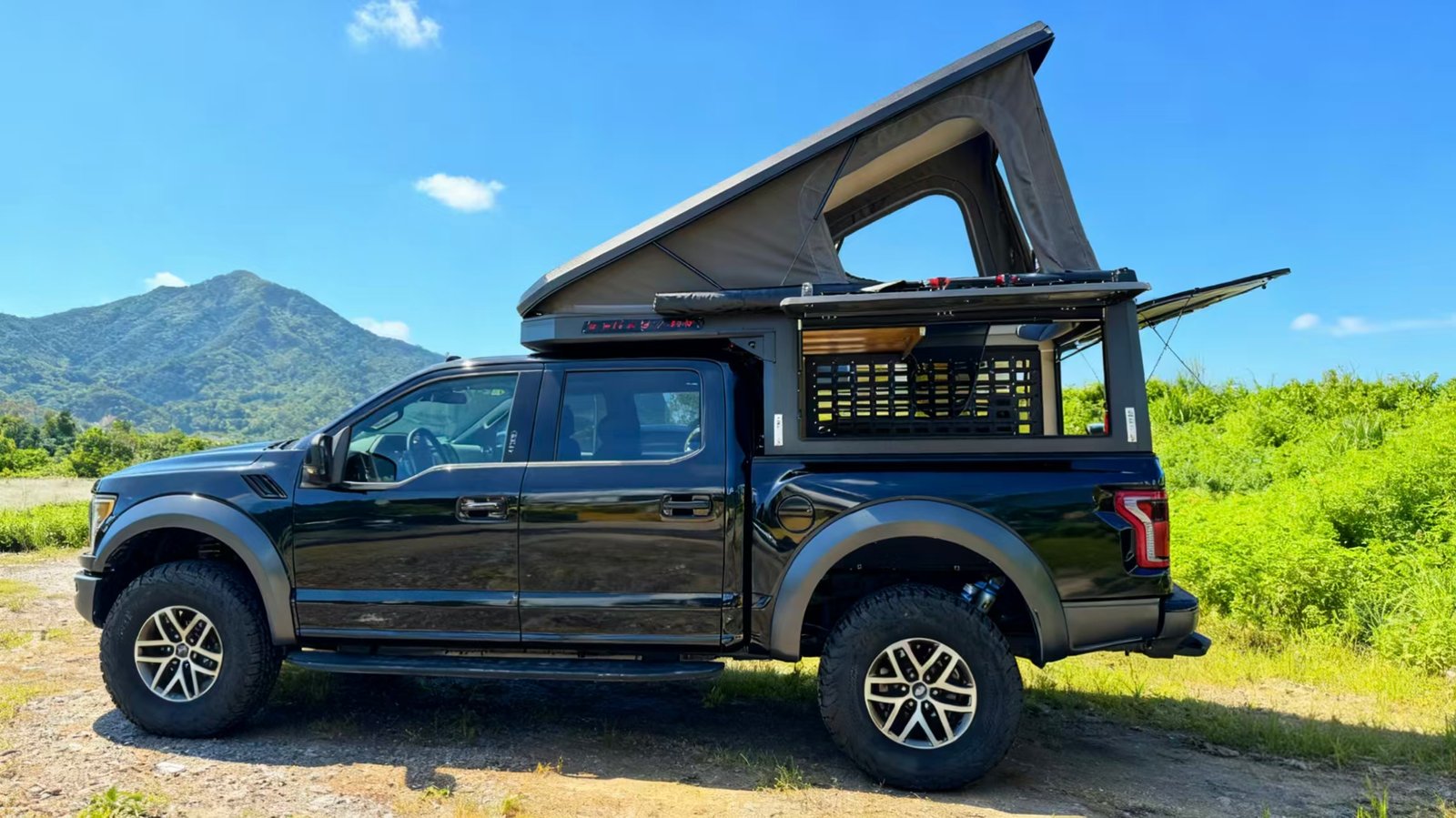
Truck campers have emerged as a highly versatile and practical solution for outdoor enthusiasts seeking mobility and comfort on the go. Unlike traditional RVs or trailers, truck campers offer a unique combination of maneuverability, ease of use, and the convenience of having your living quarters travel with you wherever your pickup truck can go. Over the years, advancements in design, materials, and technology have transformed truck campers into sophisticated mobile homes that deliver both rugged functionality and modern amenities.
At their core, truck campers are designed to be loaded into or onto the bed of pickup trucks, turning the vehicle into a self-contained traveling home. This flexibility allows users to explore off-the-beaten-path locations with the same vehicle they drive daily, without the need for towing or specialized driving skills. This attribute alone has greatly increased the popularity of truck campers among adventurers, weekend travelers, and professionals operating in remote or temporary job sites.
Customization and Compatibility with Pickup Trucks
One of the most significant trends in the truck camper market today is the focus on customization to suit various pickup truck models. Since pickups vary widely in size, bed length, and weight capacity, it is critical for camper manufacturers to tailor their products accordingly. Custom-built camper boxes deliver optimized performance and safety by precisely matching the dimensions and specifications of the host vehicle.
By adopting this approach, manufacturers can ensure that the truck’s suspension, handling, and fuel efficiency are not compromised. Additionally, this customization allows customers to specify interior layouts, materials, and features that align with their lifestyle and usage patterns. Whether you need a minimalist base camp setup or a fully equipped living space with kitchenettes, sleeping areas, and bathrooms, a custom truck camper can accommodate your preferences.
Innovative Materials and Construction Techniques
Modern truck campers benefit significantly from advancements in materials and construction methods. Lightweight composites, aluminum framing, and high-strength fiberglass panels are commonly used to reduce overall weight without sacrificing durability or insulation. This is crucial because a lighter camper not only improves fuel economy but also enhances the truck’s handling and off-road capabilities.
Insulation technology has also evolved, allowing campers to operate comfortably across a broad temperature range. High R-value insulation and thermal break designs keep the interior warm in cold climates and cool during summer adventures. Sealing techniques and weatherproof coatings protect against moisture and corrosion, extending the camper’s lifespan and preserving its appearance.
Interior Features and Layout Innovations
Inside a truck camper, space is at a premium, so smart design is essential to maximize comfort and functionality. Modern campers feature modular furniture, fold-away beds, expandable dinettes, and cleverly concealed storage to make efficient use of every inch. Some designs incorporate slide-outs or pop-up roof sections to increase headroom and expand living space when stationary.
Appliances have become more compact and energy-efficient, including induction cooktops, combination microwave ovens, and small refrigerators that operate on multiple power sources. LED lighting systems reduce energy consumption while providing ample illumination. Advanced ventilation systems, including powered fans and air conditioning units, maintain air quality and temperature control in diverse conditions.
Power Systems and Sustainability
Contemporary truck campers often come equipped with sophisticated electrical and power management systems. Solar panels integrated into the camper roof collect renewable energy, which is stored in lithium-ion battery banks to power lights, appliances, and onboard electronics. This reduces reliance on generator power or external hookups, enabling longer periods of off-grid living.
Inverters, charge controllers, and smart monitoring systems help optimize energy use and battery health. Some campers include propane systems for heating and cooking, while others emphasize all-electric functionality to minimize emissions and improve safety. The focus on sustainability reflects a growing awareness among the camper community to reduce environmental impact during their travels.
Off-Road Capabilities for Rugged Terrain
Many truck camper users seek to explore remote locations and challenging environments that require robust off-road capabilities. As a result, manufacturers design campers with reinforced chassis mounts, shock-absorbing suspension kits, and protective guards to withstand rough terrain. Compact dimensions and aerodynamic shapes further improve the vehicle’s ability to navigate narrow trails and steep inclines.
The combination of a four-wheel-drive pickup truck with a lightweight, well-balanced camper ensures that adventurers can reach destinations unreachable by larger motorhomes or trailers. Features such as high ground clearance, skid plates, and durable tires complement the camper’s rugged design, making it a trusted partner for off-grid excursions.
Applications Beyond Recreational Use
While recreational travel remains the primary market, truck campers also serve various commercial and professional uses. Mobile food vending trailers, mobile restrooms, shower trailers, and service units are custom-built on pickup truck platforms for businesses requiring mobility and flexibility. These specialized vehicles combine the camper’s fundamental attributes with industry-specific functions.
For instance, construction crews, disaster relief teams, and scientific researchers benefit from the easy transport and rapid deployment offered by truck camper systems. The ability to customize interiors to include workstations, storage units, or sanitation facilities makes these vehicles indispensable in many fields.
Choosing the Right Truck Camper for Your Needs
When selecting a truck camper, it is important to consider the following factors carefully:
- Compatibility: Ensure the camper fits your pickup’s bed size and weight capacity.
- Usage: Identify how you plan to use the camper (weekend trips, long-term travel, off-road exploration, or professional use).
- Layout: Choose an interior configuration that suits your comfort needs and lifestyle.
- Weight and Construction: Opt for lightweight yet durable materials for better performance and longevity.
- Power Requirements: Assess your energy needs and select appropriate power systems including solar options.
- Budget: Balance features and customization options within your financial constraints.
Visiting manufacturer showrooms, attending RV expos, or renting a truck camper first can provide helpful insights before making a purchase. It’s also advisable to engage with the community of truck camper owners and online forums for real-world experiences and recommendations.
Future Trends in Truck Camper Design
Innovations in automation, connectivity, and sustainability will continue to shape the future of truck campers. Integration of smart home technology promises enhanced convenience through remote monitoring, climate control, security systems, and voice-activated assistants. Advances in lightweight materials and aerodynamic design will improve efficiency and reduce environmental footprints further.
Additionally, expanding modularity may allow campers to be more adaptable, transforming between mobile homes, workspace environments, or recreational setups with ease. Manufacturers are also exploring alternative powertrains, such as electric or hybrid trucks, which will redefine camper design priorities in the coming years.
Conclusion
Truck campers represent a dynamic and growing segment of mobile living solutions that combine the freedom of pickup truck travel with the comfort of a well-equipped home. Their successful blend of customization, innovative materials, compact interior design, advanced power systems, and rugged off-road capabilities makes them ideal companions for adventurers, professionals, and those seeking a versatile lifestyle on wheels.
As technology and user expectations evolve, the truck camper industry continues to innovate, delivering more efficient, comfortable, and sustainable options for modern travelers. Whether used for leisure or business, these vehicles offer unmatched mobility and functionality, empowering individuals to explore the world without leaving the conveniences of home behind.