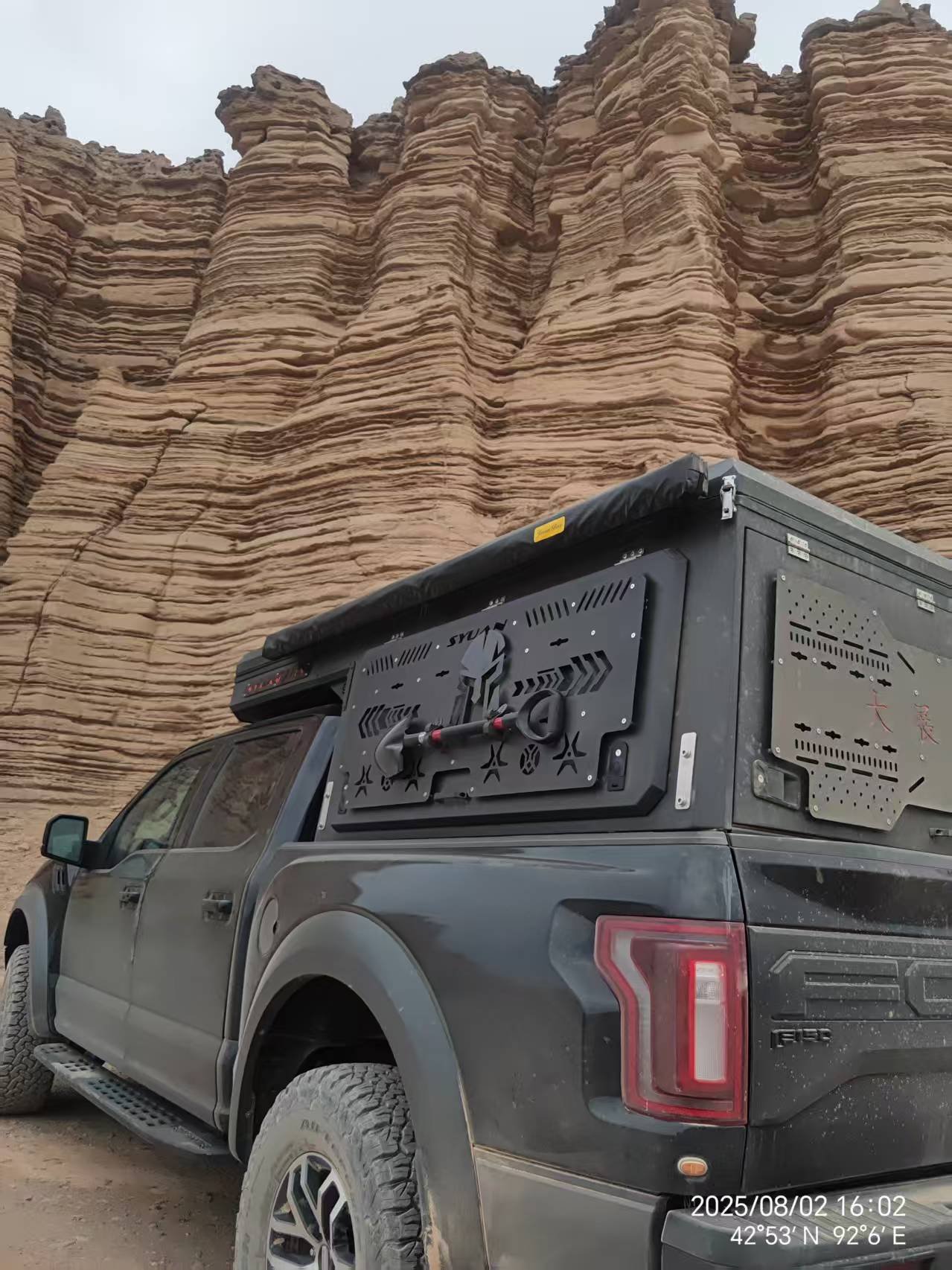
Truck campers have become an increasingly popular choice for outdoor enthusiasts who seek mobility, convenience, and versatility in their adventures. Combining the ruggedness of a pickup truck with the comfort and amenities of a compact living space, truck campers present a unique solution for those who want to explore off-the-beaten-path destinations without sacrificing comfort.
In this comprehensive guide, we will explore every aspect of truck campers—from their evolution and design innovations to practical considerations, customization options, and tips for choosing the right model that suits your lifestyle and travel goals.
What Is a Truck Camper?
A truck camper is a type of recreational vehicle (RV) that consists of a living unit designed to fit into the bed of a pickup truck. Unlike conventional motorhomes or travel trailers, truck campers leverage the mobility and power of a pickup to offer a compact, versatile, and highly maneuverable accommodation solution. They typically include living, sleeping, cooking, and bathroom facilities, all within a space-efficient design tailored to maximize utility in a limited footprint.
Historical Evolution of Truck Campers
The concept of truck campers dates back decades, evolving alongside advancements in pickups and camping needs. Early campers were often simple tents or canvas structures mounted on truck beds. Over time, innovations have led to hard-sided camper shells, pop-up roofs, and fully enclosed units equipped with modern amenities.
This evolution mirrors the growth of outdoor recreation culture worldwide. As more people seek adventure travel, the demand for reliable, comfortable, and customizable truck campers continues to grow, fostering technological innovations and expanding market offerings.
Key Features of Modern Truck Campers
Modern truck campers come equipped with a variety of features tailored to enhance the camping and traveling experience:
- Compact Design: Designed to utilize the truck bed efficiently, balancing comfort with space limitations.
- Lightweight Materials: Use of aluminum, fiberglass, and composites ensures durability without excess weight.
- Interiors: Often include sleeping areas, dining spaces, kitchens with stove tops and refrigerators, and bathrooms with showers and toilets.
- Pop-Up Roofs: Many models feature expandable roofs or slide-outs that increase interior height and usable space when parked.
- Climate Control: Heating and air conditioning systems allow year-round use in diverse climates.
- Connectivity and Power: Solar panels, onboard batteries, and electrical hookups provide off-grid capability.
- Customization: Many manufacturers and custom builders allow buyers to tailor layouts, materials, and features according to preferences.
Advantages of Choosing a Truck Camper
Truck campers offer several distinct advantages compared to other RV types or camping options:
- Mobility and Accessibility: With the robustness of a pickup truck, truck campers can access remote, rugged terrains where larger RVs cannot venture.
- Easy Detachment: Campers can be detached from the truck, allowing the vehicle to be used independently for errands or excursions.
- Parking and Storage: Smaller than traditional RVs, they require less space for parking and storage, reducing associated costs and complications.
- Fuel Efficiency: Generally more fuel-efficient than towing trailers or driving large motorhomes, since the entire unit is integrated with the truck.
- Flexibility: Ideal for short getaways or extended road trips, adaptable to different pickup models and user needs.
Considerations Before Buying a Truck Camper
Before investing in a truck camper, several critical factors should be considered to ensure that the camper aligns with your expectations and lifestyle:
Truck Compatibility
Because the camper fits into your truck bed, compatibility is paramount. Consider the following:
- Payload Capacity: The total weight of the camper, including equipment and supplies, must not exceed your truck’s payload rating.
- Bed Size: Camper dimensions need to match your truck bed—short bed, standard, or long bed options impact camper size compatibility.
- Suspension and Handling: Additional weight can affect vehicle handling; upgrading suspension or tires might be necessary.
Usage and Lifestyle Needs
Analyze your typical trip length, preferred destinations, and the number of travelers to determine the size and features you need:
- Single vs Family Use: Smaller campers suit solo travelers or couples, while larger models accommodate families.
- Seasonal Use: Insulation and climate control matter for winter camping.
- Onboard Amenities: Need for full kitchens, bathrooms, entertainment, and connectivity varies by user.
Budget Constraints
Prices for truck campers vary widely based on brand, size, materials, and added features. Factor in costs for the truck itself if you need an upgrade, ongoing maintenance, and insurance.
Storage and Maintenance
Ensure you have appropriate space for storing the camper when not in use and resources or knowledge for maintenance tasks, which help extend the lifespan and safety of your investment.
Types of Truck Campers
Truck campers are typically categorized based on their structure, roof design, and intended use. Understanding each type aids in making an informed buying decision:
Pop-Up Truck Campers
These campers have roofs that collapse to reduce height during travel, improving aerodynamics and fuel efficiency. When parked, the roof can be lifted to provide full standing room inside.
Hard-Side Truck Campers
With solid walls and roofs, these campers offer more durability, better insulation, and aesthetic appeal, but they add weight and height when traveling.
Slide-In Campers
Installed directly into the truck bed, slide-in campers typically include a sleeping platform and basic kitchen equipment. Often preferred for shorter trips or minimalistic camping.
Camper Shells and Caps
While not full living units, camper shells add security and shelter in the truck bed area and can be modified to include basic camping essentials.
Customization and Upgrades
Manufacturers and custom builders often provide options to personalize truck campers to meet unique requirements. Common customizations include:
- Interior Layouts: Adjustments to sleeping areas, seating, kitchen and storage configurations.
- Material Selection: Choice of flooring, cabinetry finishes, and insulation materials.
- Power Solutions: Integration of solar panels, inverter systems, and battery banks for off-grid electricity.
- Technology: Installation of Wi-Fi boosters, GPS navigation, security systems, and entertainment setups.
- Exterior Features: Roof racks, awnings, bike racks, and off-road lighting.
Popular Brands and Manufacturers
The truck camper market includes a range of reputable manufacturers producing models that appeal to different budgets and uses. Some well-known brands include:
- Lance Campers: Renowned for lightweight, aerodynamic designs with quality interiors.
- Four Wheel Campers: Specialize in pop-up campers ideal for off-road adventures.
- China-Based Custom Manufacturers: Some companies in China provide competitive pricing and extensive customization options especially for pickup camper boxes, food trailers, and towable units.
Essential Accessories for Enhancing Your Truck Camper Experience
Maximize the utility of your truck camper with carefully selected accessories designed to improve comfort, convenience, and safety:
- Leveling Blocks: Ensure stability and comfort on uneven terrain.
- Portable Generators or Solar Power Kits: For reliable power supply off-grid.
- Water Storage and Purification Systems: To maintain fresh water availability.
- Camping Chairs and Tables: Enhance outdoor living space.
- Awning Attachments: Provide shade and shelter from the elements.
- Security Locks and Alarms: Protect your investment while unattended.
Maintaining Your Truck Camper
Proper maintenance ensures safety, reliability, and longevity:
- Regular Cleaning: Interior and exterior upkeep prevents mold, rust, and deterioration.
- Inspect Seals and Roofs: Prevent leaks by checking seals and roofing materials frequently.
- Check Electrical and Plumbing Systems: Address issues promptly to avoid larger repairs.
- Tire and Suspension Care: Maintain proper tire pressure and inspect suspension components given the increased load.
- Storage: Store in covered areas or use protective covers to shield from weather extremes.
Planning Your First Trip with a Truck Camper
Once you’ve acquired your truck camper, having a strategic approach to your initial trip will enhance your experience:
- Test Drives and Practice Setups: Familiarize yourself with setup, takedown, and driving dynamics.
- Short Trips: Undertake shorter excursions close to home to fine-tune camping routines.
- Check Local Regulations: Ensure camping destinations allow truck campers and abide by local ordinances.
- Pack Smart: Inventory essentials like tools, emergency supplies, and personal gear.
- Safety First: Inform others of your plans and have contingency communication methods.
The Future of Truck Campers
Advancements in materials science, green technologies, and connectivity are shaping the future of truck campers. Trends include lighter construction materials to improve fuel economy, greater use of solar and battery tech for sustainable energy, smart home features within campers, and increasing modularity for customization.
Furthermore, manufacturers are responding to the growing demand for eco-friendly and off-grid capable models that meet the needs of adventurous travelers prioritizing sustainability.
Conclusion
Truck campers offer a compelling solution for lovers of adventure who want flexibility, comfort, and ruggedness packed into a maneuverable vehicle. Whether you are a weekend warrior, a full-time traveler, or someone looking to upgrade your camping experience, understanding the nuances of truck campers—from compatibility, types, features, to maintenance—will empower you to make the best choice.
By carefully selecting and customizing your truck camper, you unlock the freedom to explore diverse landscapes while having your home on wheels ready at a moment’s notice. As the market grows and technology progresses, truck campers continue to redefine how we experience the great outdoors.