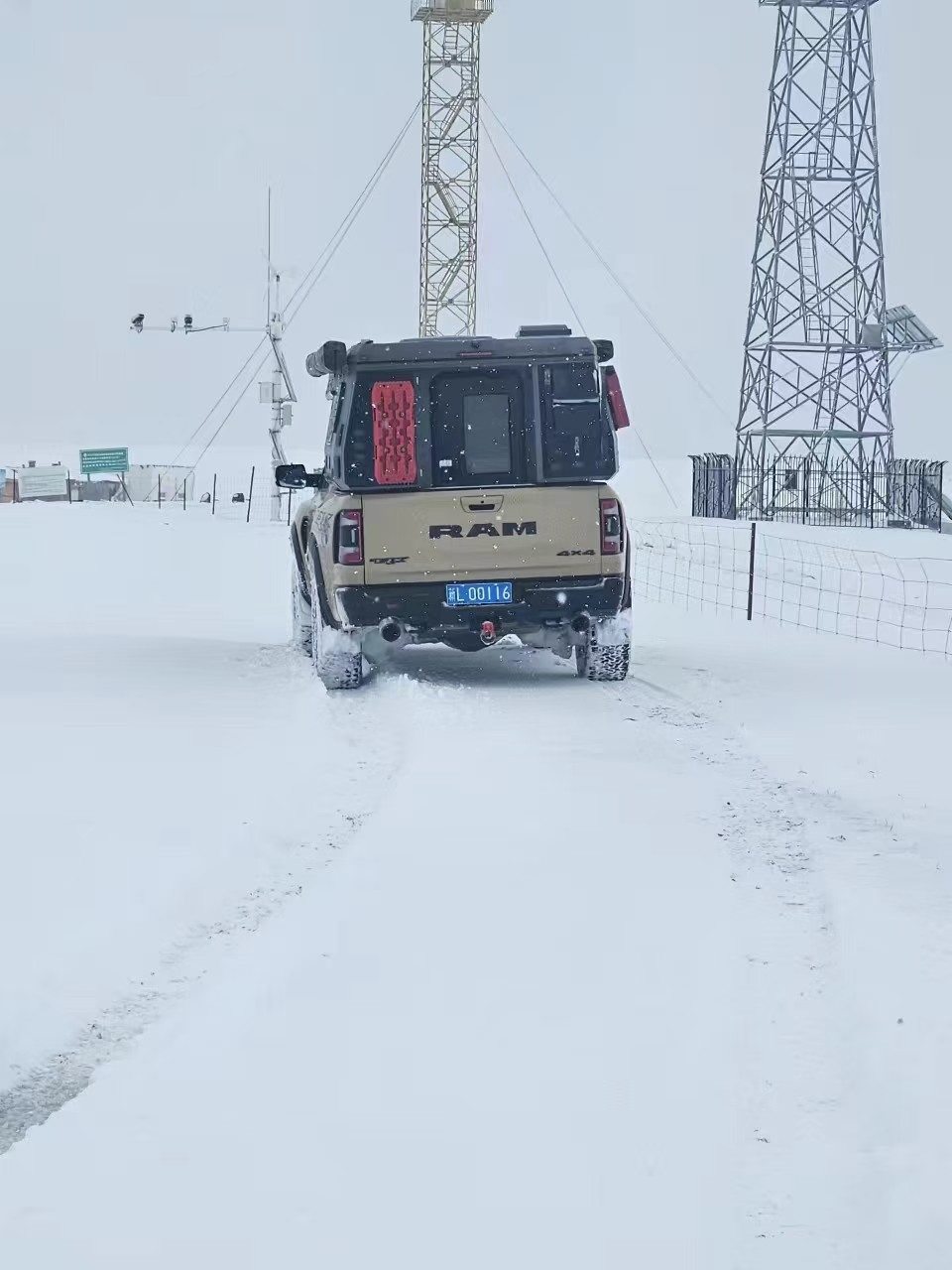
Truck campers have revolutionized the way adventurers, travelers, and outdoor enthusiasts experience the open road. Combining the rugged versatility of pickup trucks with advanced mobile living solutions, truck campers offer an unmatched blend of freedom, convenience, and comfort. This comprehensive article delves into the world of truck campers, outlining their various types, benefits, essential features, customization options, and tips for selecting the right truck camper to suit your lifestyle and needs.
Understanding Truck Campers
A truck camper is a self-contained living unit that can be mounted on the bed of a pickup truck. Unlike traditional RVs that are towed or motorhomes that are built on chassis, truck campers hitch directly onto trucks, allowing for better maneuverability and off-road capabilities. Their compact design provides essential amenities without sacrificing mobility, making them popular among those who prioritize exploration over stationary camping.
Truck campers originated decades ago as a practical solution for hunters, fishermen, and outdoor workers who needed portable shelter. Today, modern truck campers range from basic beds with minimal facilities to luxury models equipped with full kitchens, bathrooms, climate control systems, and entertainment options.
Types of Truck Campers
When exploring truck campers, it’s essential to understand the variety of designs available in the market:
- Pop-Up Truck Campers: Featuring collapsible sides or roofs that extend upward when parked, pop-up campers maximize interior space while maintaining a low profile while driving. This design improves fuel efficiency and aerodynamics.
- Hard-Sided Truck Campers: These campers have solid walls and roofs, providing better insulation, weather resistance, and durability. Hard-sided models are ideal for year-round use in varying climates.
- Slide-In Campers: The most common type of truck camper, slide-in models completely cover the truck bed and lock securely in place. They usually include essential amenities like beds, dining spaces, and small kitchens.
- Expandable Campers: These models combine features of pop-up and hard-sided campers with sections that slide out or unfold to increase living space without permanent additions to the truck’s profile.
Key Features and Amenities
Despite varying designs, modern truck campers are equipped with features that ensure comfort on the road without compromising the spirit of adventure. Below are some of the critical amenities often included:
- Sleeping Areas: Most campers offer sleeping accommodation for two to four occupants, with options ranging from dinette conversions to dedicated beds or bunks.
- Kitchen Facilities: Compact kitchenettes typically include a stove, sink, refrigerator, and storage cupboards. Some luxury models feature microwaves and ovens as well.
- Bathroom Options: Depending on size, truck campers may include wet baths (combined toilet and shower), portable toilets, or no bathroom facilities at all to save weight and space.
- Heating and Cooling: To provide climate control, many campers come equipped with air conditioners, heaters, and insulated walls.
- Power Systems: Solar panels, onboard batteries, and hookup capabilities enable off-grid living and sustained power supply.
- Storage Solutions: Innovative storage compartments and optimized interior layouts make it easy to carry gear, supplies, and personal items.
Benefits of Choosing a Truck Camper
Truck campers enjoy growing popularity for many reasons, attracting a diverse group of adventurers. Some of the significant benefits include:
- Enhanced Mobility: Their compact size permits access to remote and rugged terrain not possible with larger RVs.
- Versatility: When detached, the truck remains functional for everyday use or recreation, making it a highly flexible investment.
- Cost-Effectiveness: Generally less expensive than full-sized RVs or motorhomes, truck campers provide a budget-friendly way to experience mobile living.
- Ease of Storage: Due to their smaller footprint, truck campers require less storage space during off-season or periods of non-use.
- Minimal Maintenance: Compared to motorized campers, truck campers have fewer mechanical components and require less upkeep.
Considerations Before Buying a Truck Camper
Choosing the right truck camper involves multiple considerations to ensure safety, comfort, and practicality. Key factors include:
- Truck Compatibility: Verify that the camper size and weight align with your truck’s payload capacity to avoid vehicle damage or unsafe driving conditions.
- Lifestyle Needs: Assess how many occupants you need to accommodate, the duration of typical trips, and desired amenities.
- Budget Constraints: Establish a realistic budget including purchase price, customization, maintenance, and additional gear.
- Climate and Seasonality: If you plan to camp in harsh weather or extreme seasons, opt for well-insulated models with heating and cooling systems.
- Local and Regional Laws: Investigate regulations regarding camper sizes, road usage, parking, and off-road activities.
Customization and Upgrades
One of the appeals of truck campers is the ability to customize interiors and exteriors, tailoring the living space to personal tastes and specific requirements. Common customization options include:
- Solar Power Installations: Adding solar panels increases energy independence and reduces reliance on electrical hookups.
- Water System Enhancements: Upgraded fresh water tanks, filtration systems, and greywater management facilitate longer off-grid journeys.
- Interior Design: Modern materials, custom cabinetry, and modular furniture improve aesthetics and functionality.
- Technology Integration: Installing Wi-Fi boosters, satellite TV systems, and smart climate controls creates a connected and comfortable environment.
- Exterior Add-Ons: Roof racks, awnings, bike carriers, and external storage solutions expand utility during travel.
Maintenance Tips for Longevity
Proper maintenance is crucial to keep your truck camper in top shape and extend its lifespan. Some essential maintenance practices are:
- Regularly inspect seals and joints to prevent water intrusion.
- Clean exterior surfaces and protect against UV damage with adequate coatings.
- Check electrical systems, batteries, and appliances frequently to ensure reliable operation.
- Maintain tires and suspension components when transporting the camper.
- Store the camper in a covered or sheltered area during off-seasons to minimize environmental wear.
Conclusion
Truck campers represent an ideal solution for adventurous souls seeking mobility without compromising the comforts of home. With their growing range of designs, modern amenities, and flexibility, they offer an excellent mix of independence, practicality, and outdoor exploration. Whether you’re a weekend warrior, full-time traveler, or someone looking to escape the city occasionally, investing in a truck camper can open new horizons and unforgettable experiences.
Choosing the right truck camper involves evaluating truck compatibility, personal preferences, and travel goals, while customization options allow fine-tuning the setup to meet precise needs. With proper maintenance and care, a truck camper can be a durable and rewarding mobile home that takes adventure to the next level.